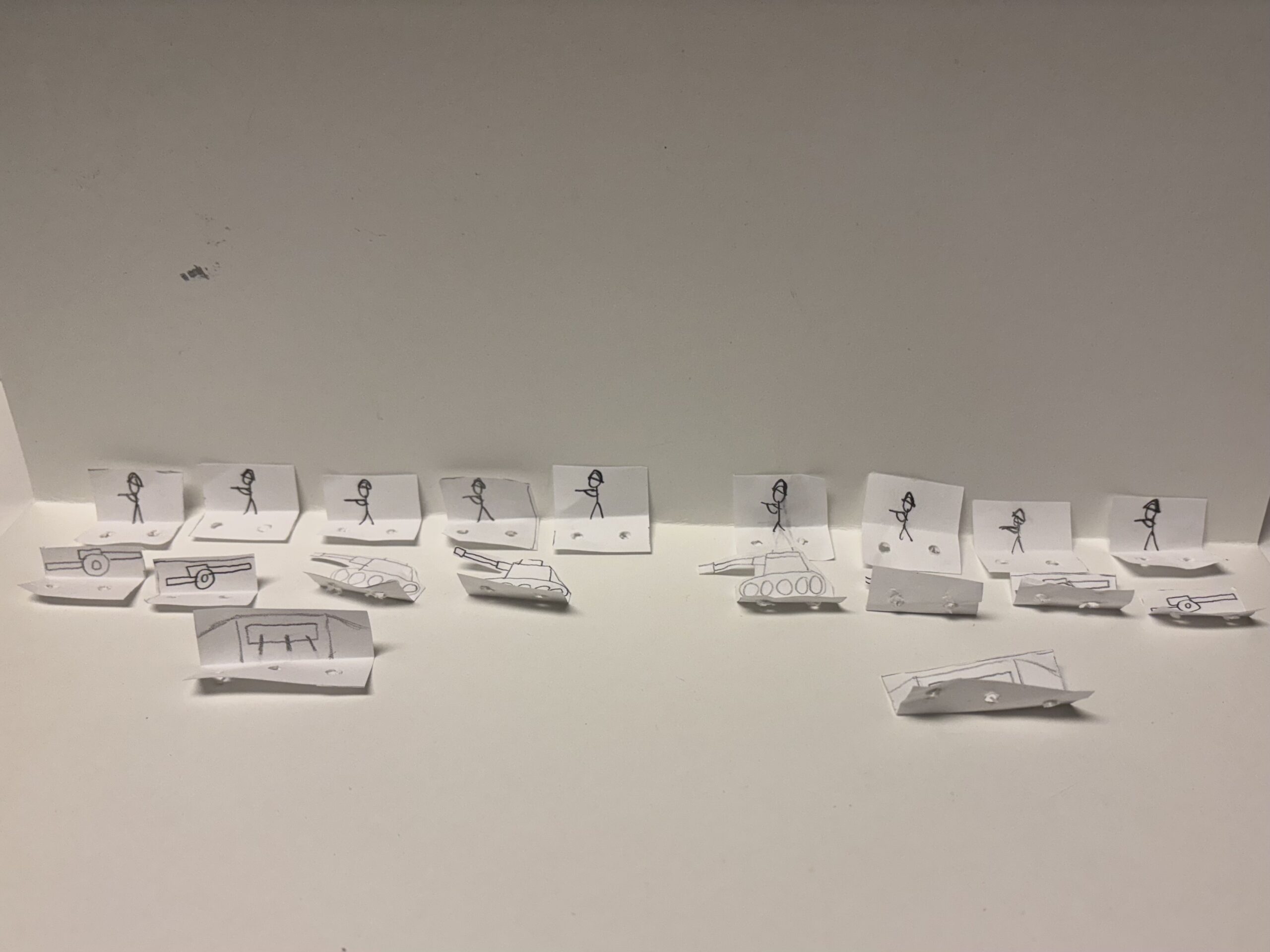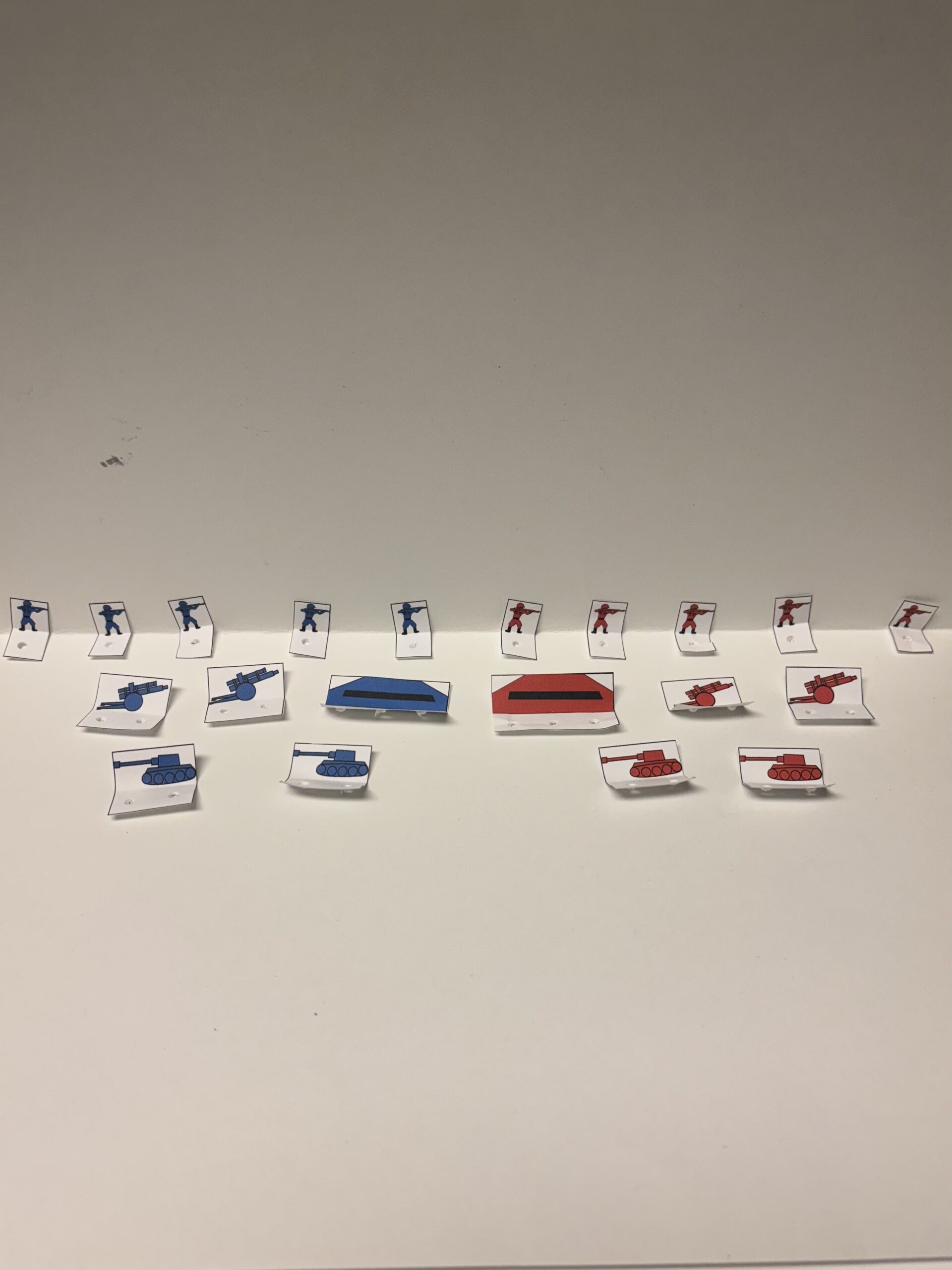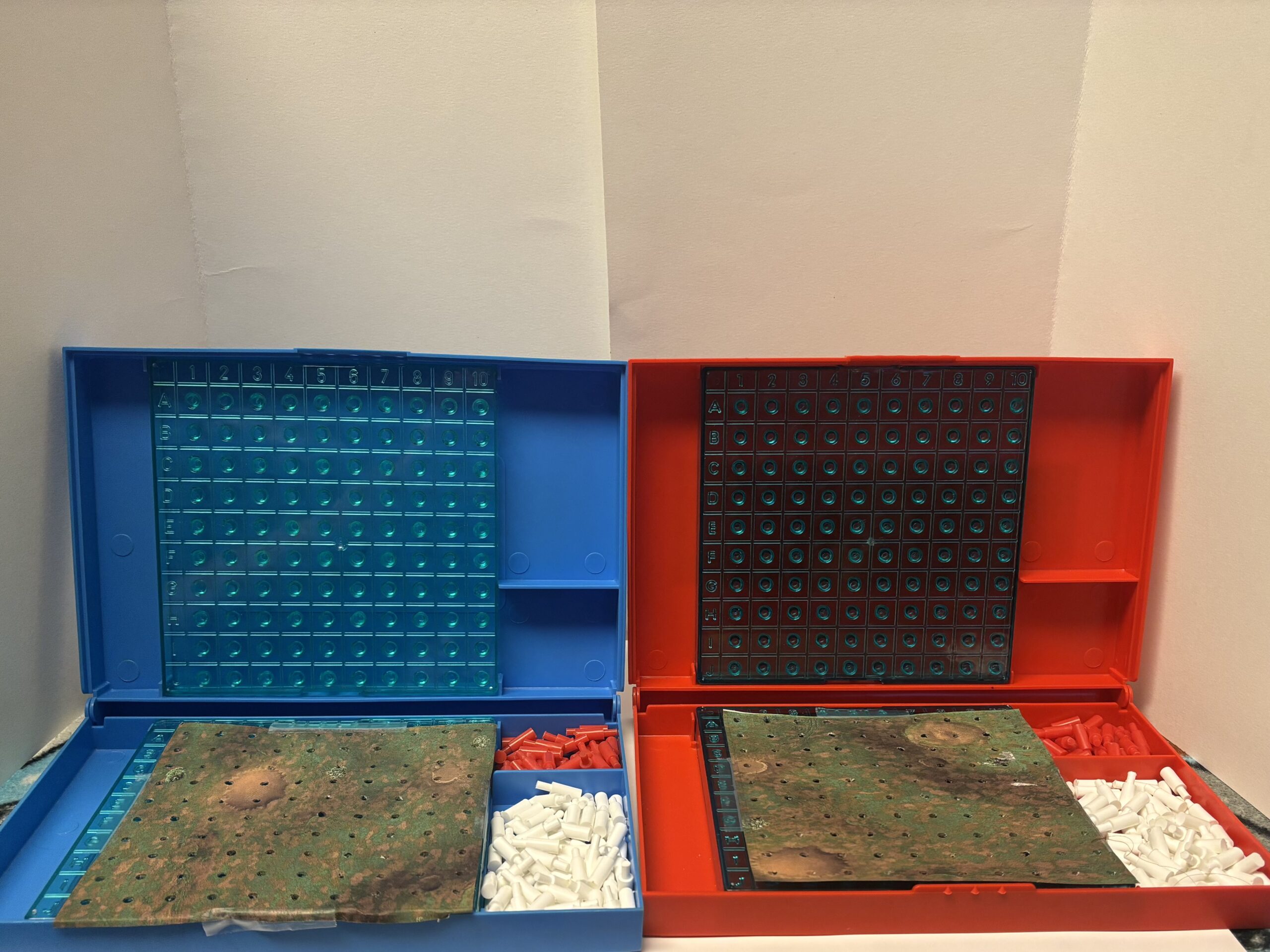
Discussion: what is Doctrine & Cognitive Task Analysis, Full Spectrum Warrior, as well as Medical Simulation

Doctrine is like a set of strategies in military combat, or rules for a medical procedure. Overall, Doctrine is a guideline to help assist people in situations that aren’t necessarily expendable or accessible for beginners in day to day life.

Cognitive Task Analysis is a method used to break down how experts think and make decisions, so that others can learn from them. It is a method typically used to improve performance in these situations, whether that be for the medical field, or for the military.

A “game” that is now a game but was originally was used to train military personel: is Full Spectrum Warrior. This game included Doctrine tactics to exhibit how one should operate in these situations, as well as exhibited strong Cognitive Task Analysis by putting the player in these realistic environments with a lot going on, with high intensity in an environment that is true to real life as well. This game helps soldiers understand the true risk and reward of decision making in these environments.

Just like how soldiers train in simulations, doctors and nurses also train using realistic scenarios as well. Medical Simulations come in a plethera of forms, as there are so many different fields and procedures available for a person to train with. Overall, these simulations act as training for real life or death scenarios and are very efficient; rather than having someone train on an actual person

Harding – Game Rules

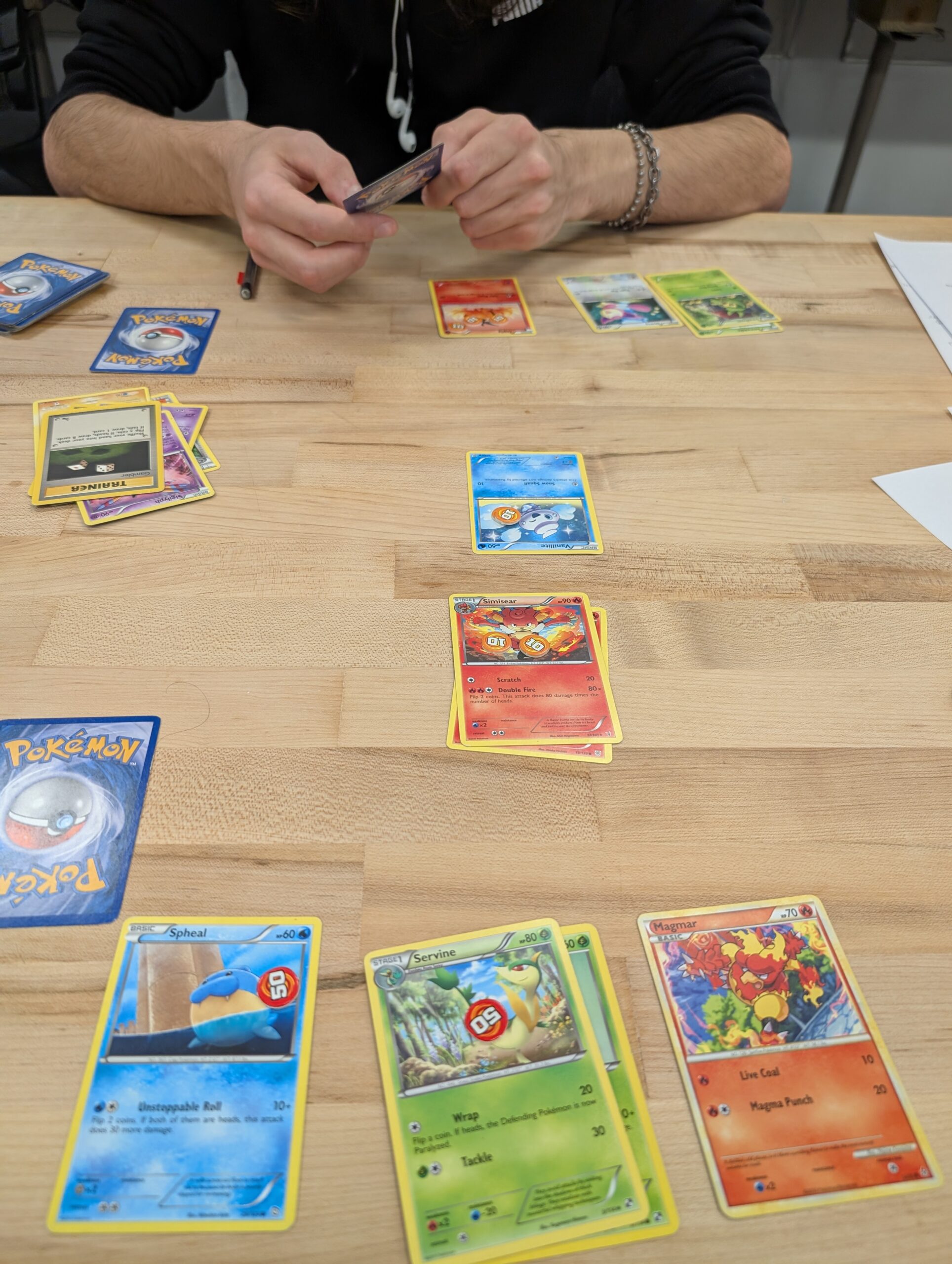
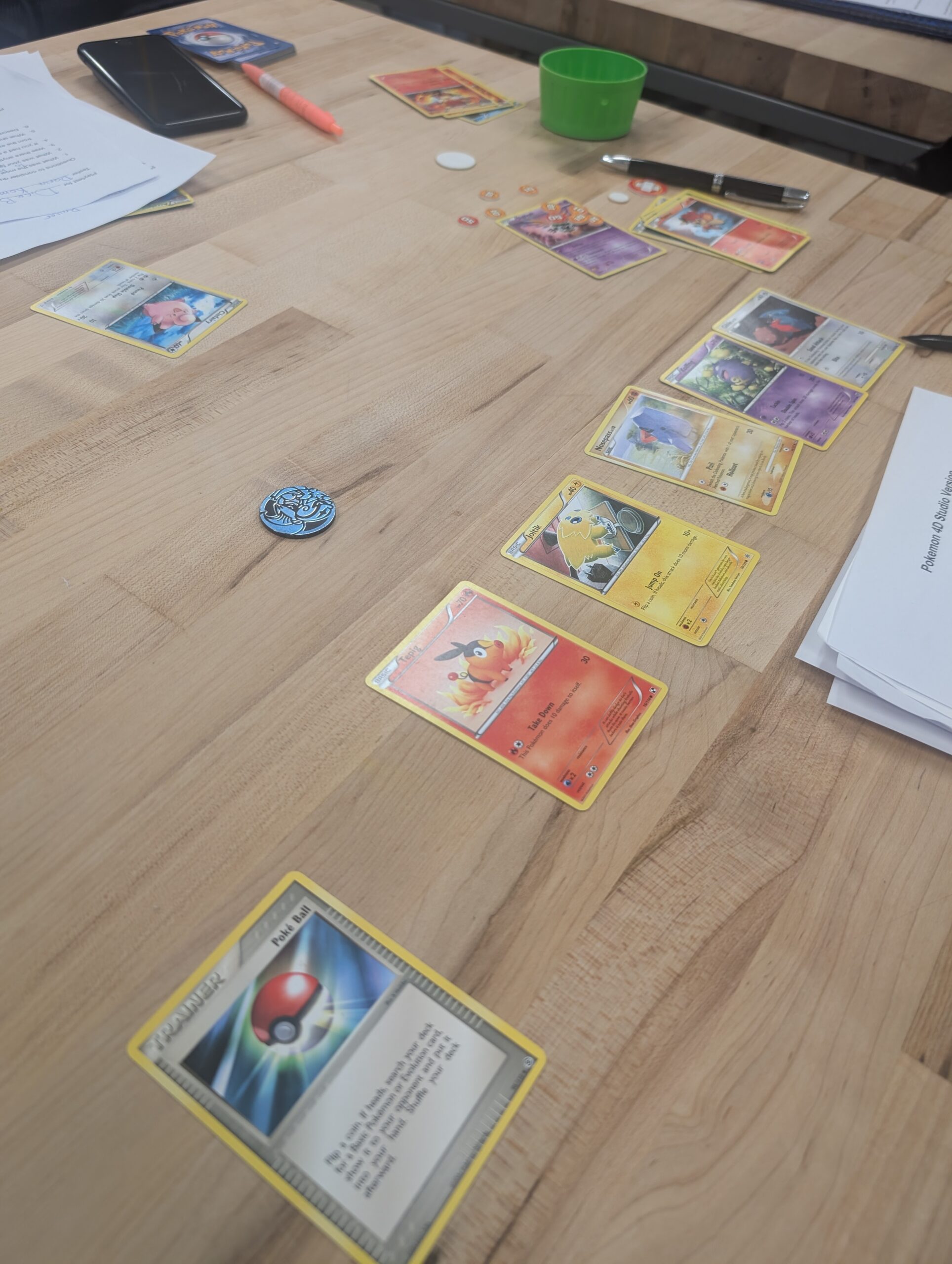
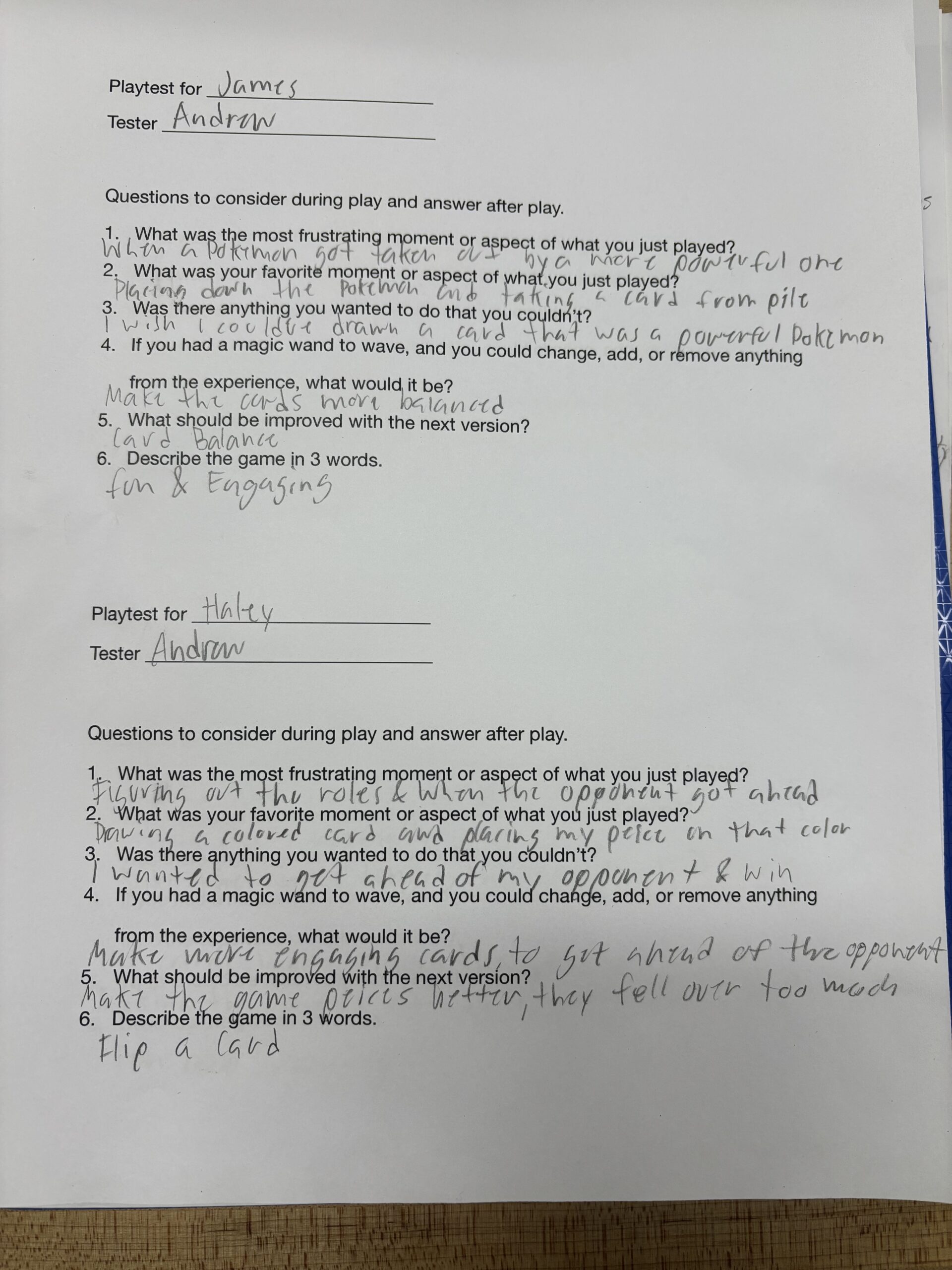
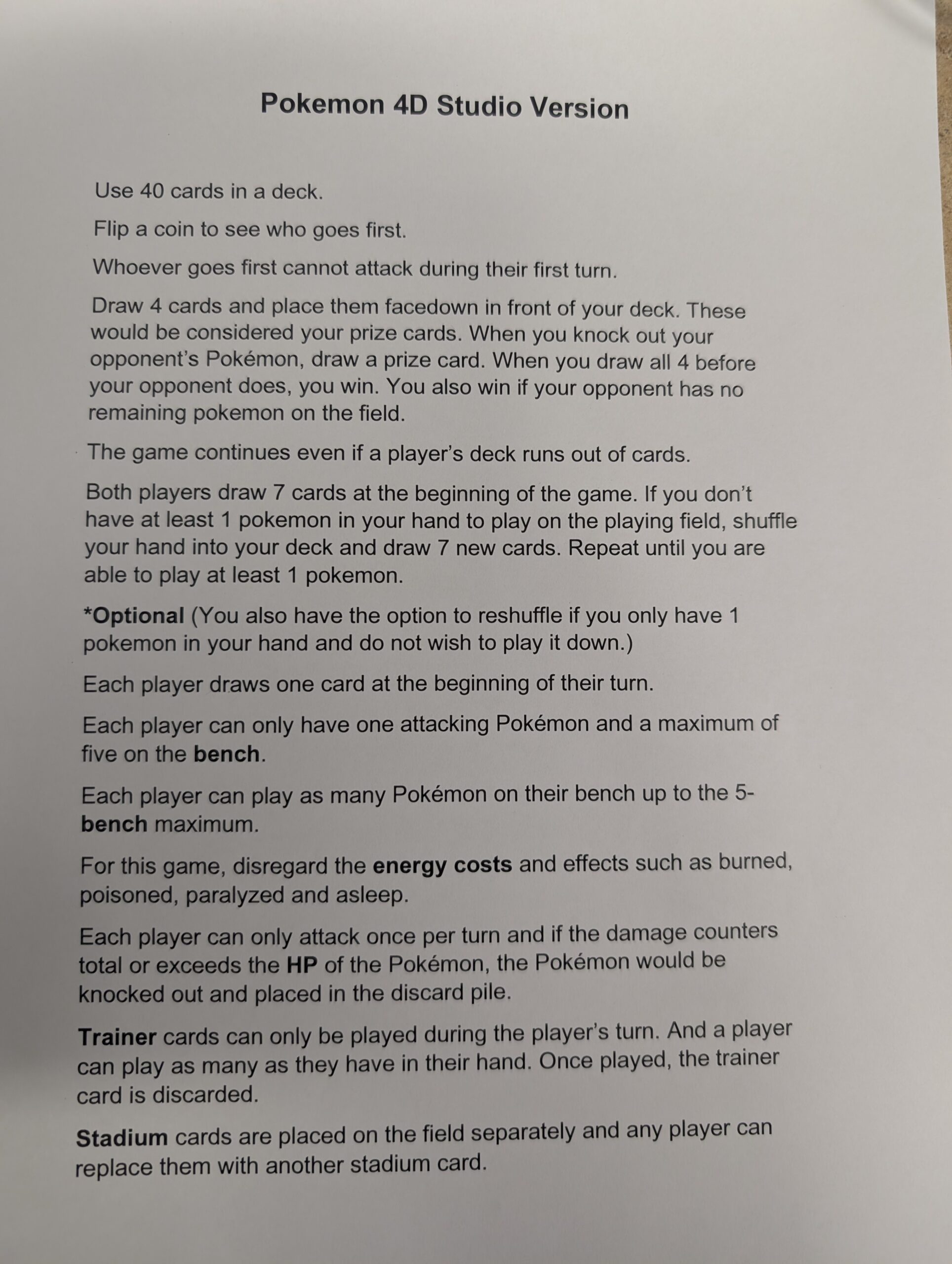
Pokemon 4D Studio Version

Use 40 cards in a deck.

Flip a coin to see who goes first.

Whoever goes first cannot attack during their first turn.

Draw 4 cards and place them facedown in front of your deck. These would be considered your prize cards. When you knock out your opponent’s Pokémon, draw a prize card. When you draw all 4 before your opponent does, you win. You also win if your opponent has no remaining pokemon on the field.

The game continues even if a player’s deck runs out of cards.

Both players draw 7 cards at the beginning of the game. If you don’t have at least 1 pokemon in your hand to play on the playing field, shuffle your hand into your deck and draw 7 new cards. Repeat until you are able to play at least 1 pokemon.

*Optional (You also have the option to reshuffle if you only have 1 pokemon in your hand and do not wish to play it down.)

Each player draws one card at the beginning of their turn.

Each player can only have one attacking Pokémon and a maximum of five on the bench.

Each player can play as many Pokémon on their bench up to the 5-bench maximum.

For this game, disregard the energy costs and effects such as burned, poisoned, paralyzed and asleep.

Each player can only attack once per turn and if the damage counters total or exceeds the HP of the Pokémon, the Pokémon would be knocked out and placed in the discard pile.

Trainer cards can only be played during the player’s turn. And a player can play as many as they have in their hand. Once played, the trainer card is discarded.

Stadium cards are placed on the field separately and any player can replace them with another stadium card.

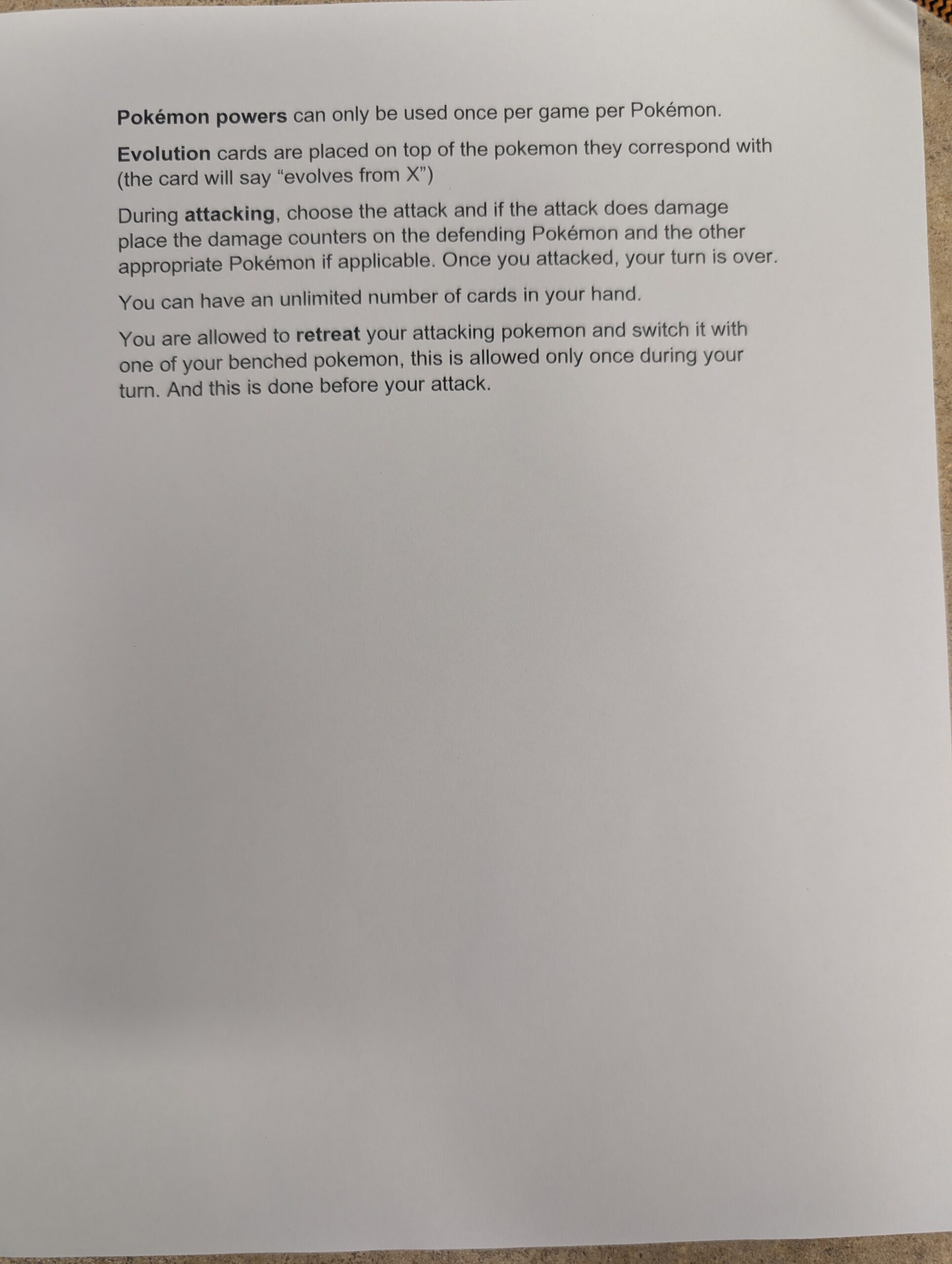
Pokémon powers can only be used once per game per Pokémon.

Evolution cards are placed on top of the pokemon they correspond with (the card will say “evolves from X”)

During attacking, choose the attack and if the attack does damage place the damage counters on the defending Pokémon and the other appropriate Pokémon if applicable. Once you attacked, your turn is over.

You can have an unlimited number of cards in your hand.

You are allowed to retreat your attacking pokemon and switch it with one of your benched pokemon, this is allowed only once during your turn. And this is done before your attack.
Play Test Notes

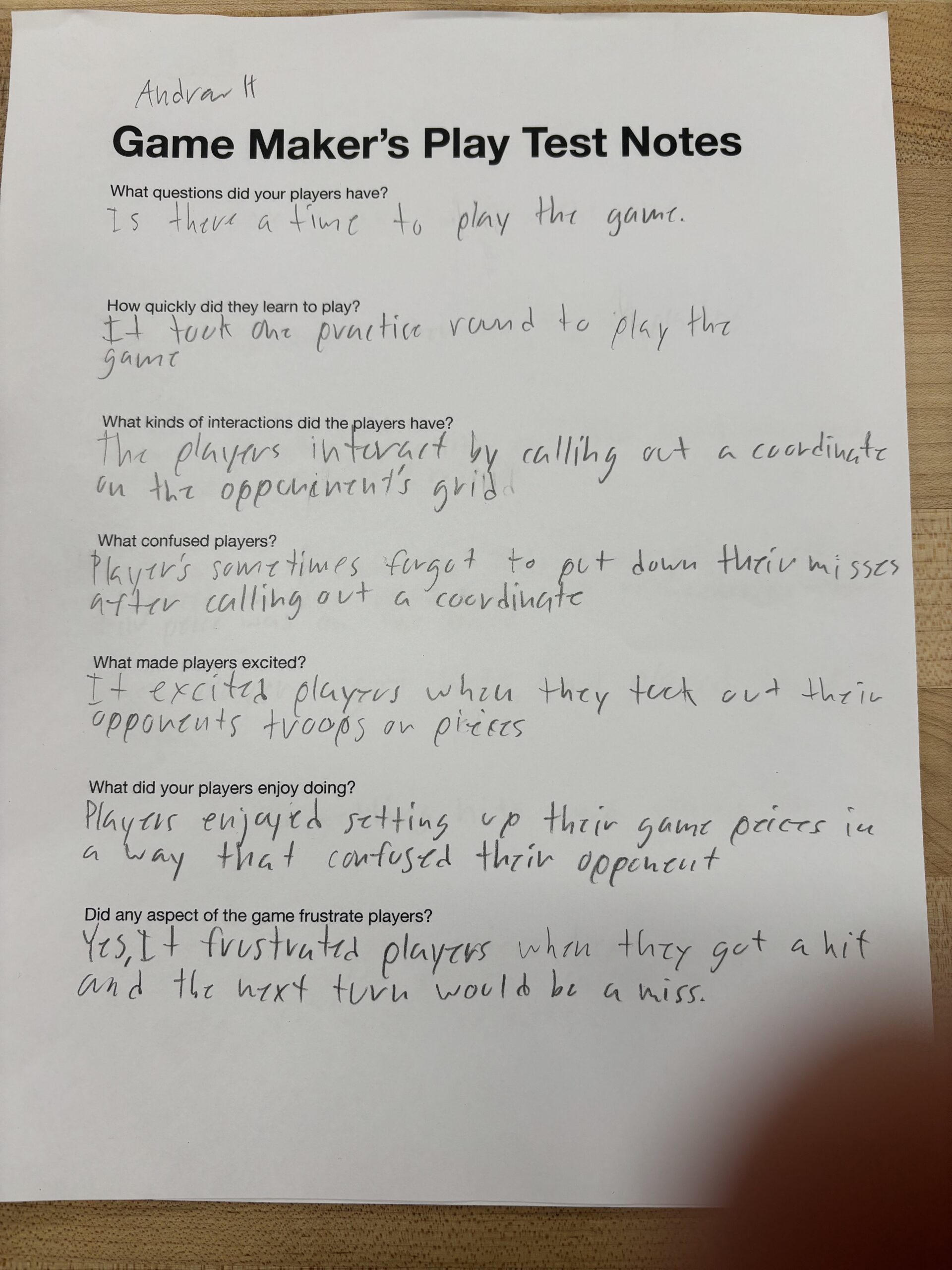
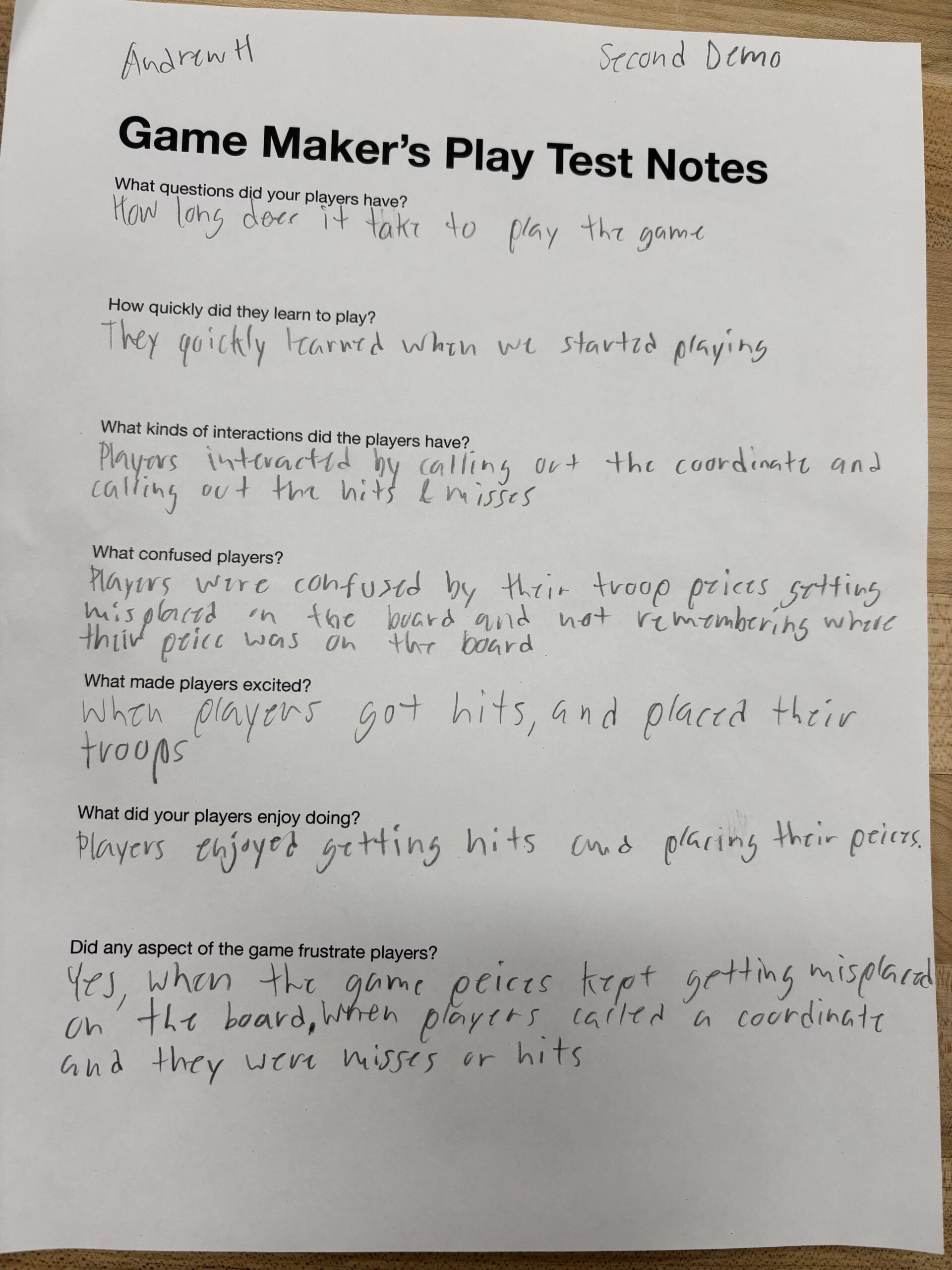
I feel that the experience the other student had with this version of the game seemed more technical than the other games within the classroom. The trainer cards had a wide range of impact and can change the experience of the gameplay very quickly. Some students picked up on the rules more quickly than others.

This version of the game seem to have had a positive engagement for the students that tested this game.

Week 7 questions

  • What are the challenges a team faces when working on an educational game?

They face the challenge of balancing: education, interactivity, detailed content, and entertainment within the game .

  • In the case study team members vetoed each others game ideas, what were the scientist’s, pedagogy expert’s and designer’s issues?

The game designer dismissed the game ideas proposed by the pedagogy expert and scientist because they did fit the parameters for “a game.” The scientist rejected many of the game designer’s ideas because the science was incorrect.

  • What did the team learn from play testing their prototypes?

The design team found that including less detail would increase the amount of detail players noticed. Levels were created to entice players,

  • How does play testing resolve conflicts among team members?

“Playtesting not only helps designers refine the game mechanics, but it can also help resolve conflicts among pedagogy, content, and gameplay by moving disagreements from theoretical stances to demonstrated success or failure of design concepts”
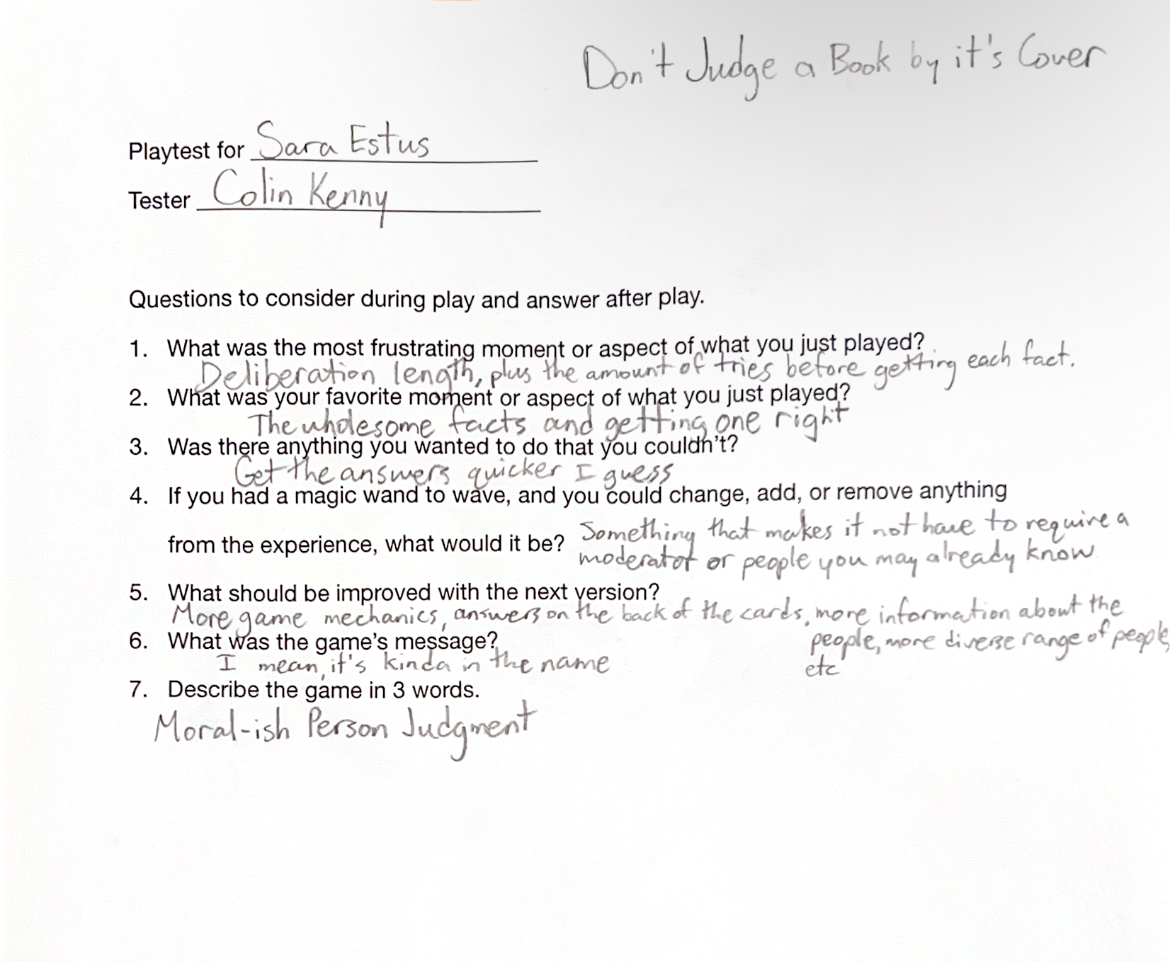
Review of Gideon’s The Unseen Directive – Colin Kenny

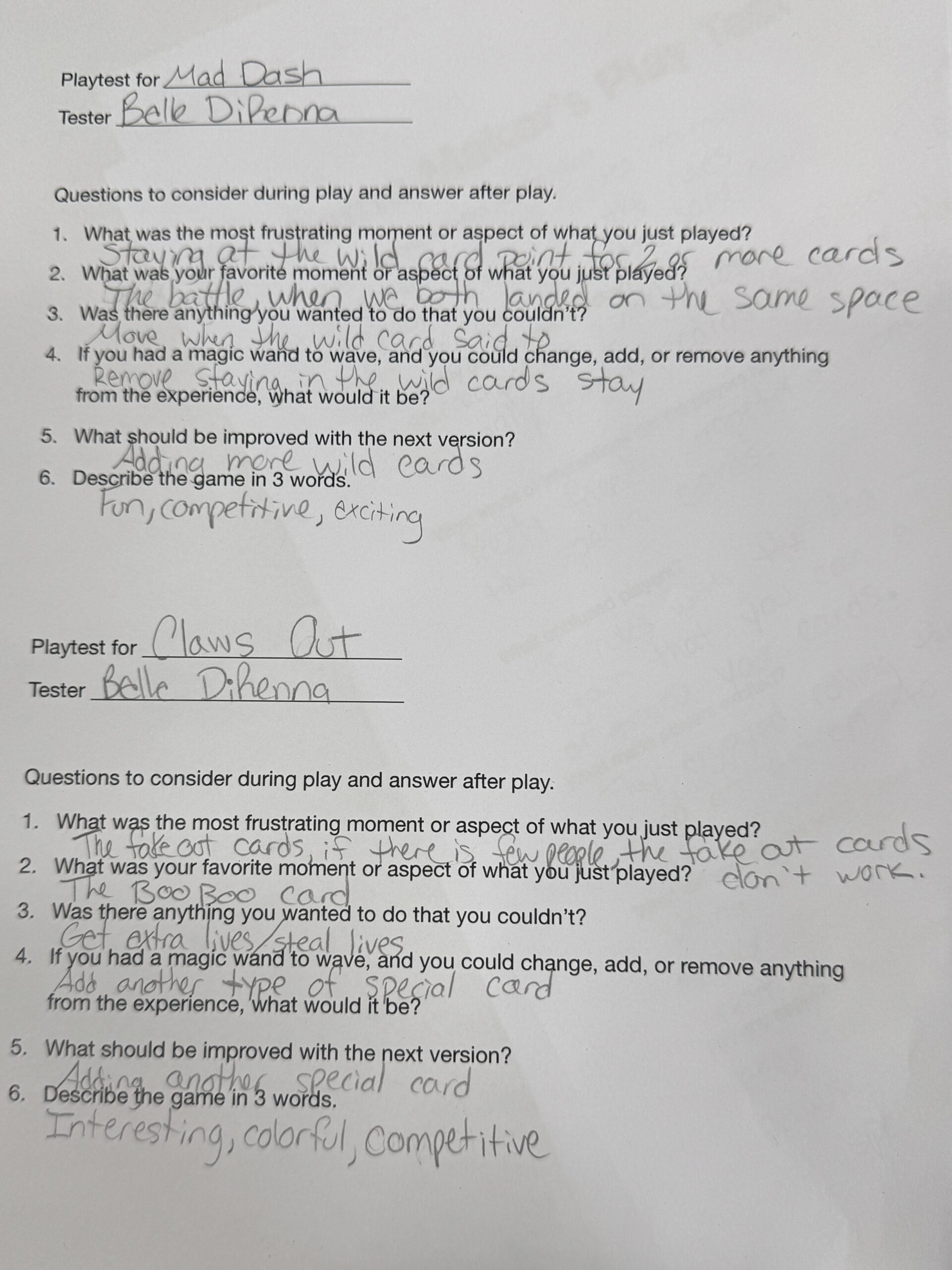
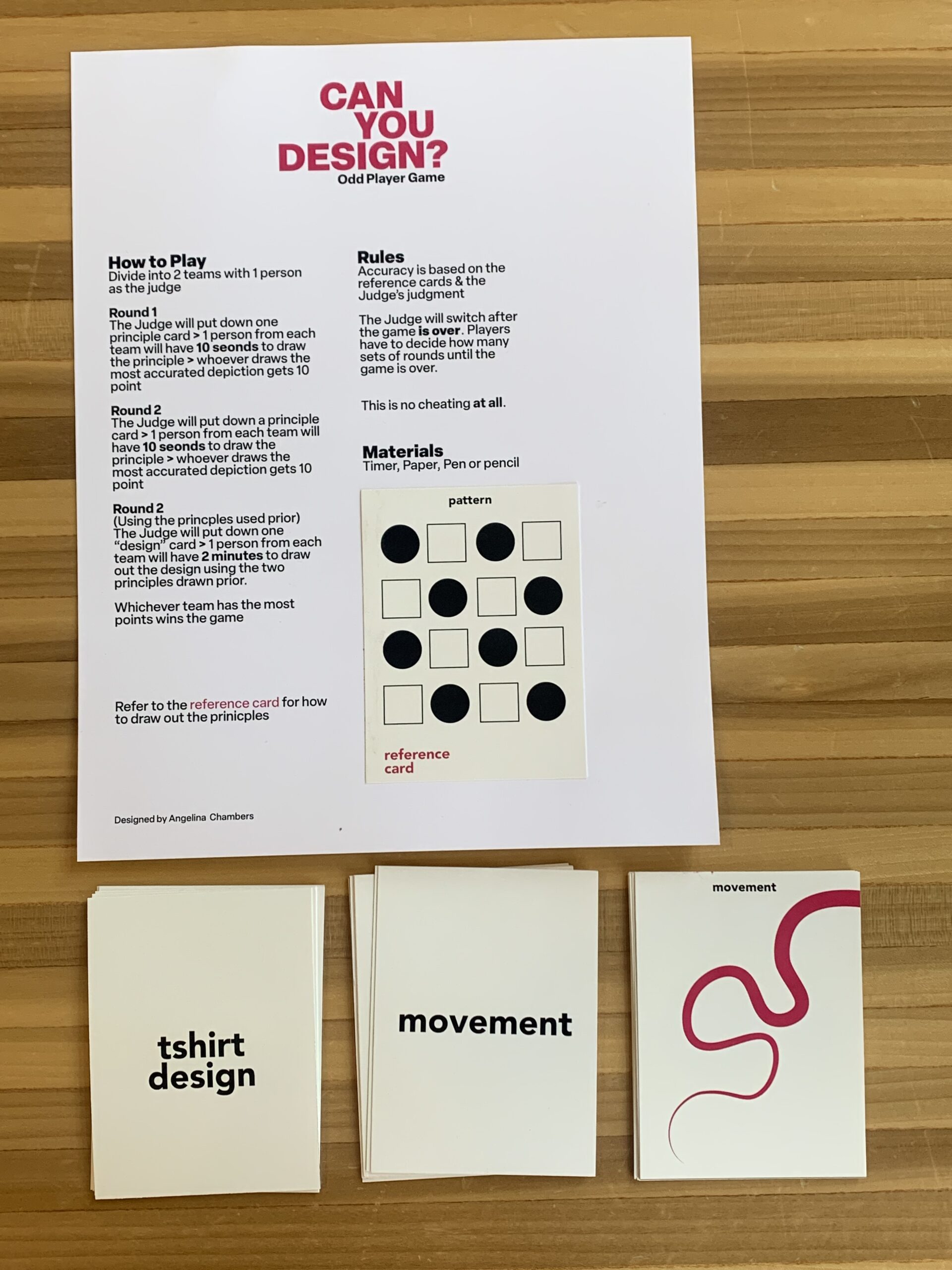
  1. What was the most frustrating moment or aspect of what you just played? Trying to scan the QR codes and then being met with requesting access to a Google Drive every time, and the thinness of the paper making it difficult to pull a card out and put it on the table.
  2. What was your favorite moment or aspect of what you just played? The narrative and the reveal at the end were very clever. I played with Kelsey, and throughout the game we new something was up and that the colors and the action of grabbing the right color meant something, we just didn’t know what.
  3. Was there anything you wanted to do that you couldn’t? Well maybe being able to read all of the cards but for time we couldn’t.
  4. If you had a magic wand to wave, and you could change, add, or remove anything from the experience, what would it be? It would be cool to see this as a computer game or something that doesn’t require a moderator to give the list of colors.
  5. What should be improved with the next version? Better materials and better graphics, but I’m confident Gideon can do that.
  6. Describe the game in 3 words. Color Match Mystery

Review of Ames’s Civilization Simulation Game – Colin Kenny

  1. What was the most frustrating moment or aspect of what you just played? The lack of knowledge of what we were “supposed” to be doing. The testing phase for this game still felt very loose.
  2. What was your favorite moment or aspect of what you just played? I liked the dedicated 3D printing style. The pieces and board just had this interesting aesthetic that brought me into the world a little more. I also enjoyed taking out the civilians before they could reach the edge of the board and adding them to my collection.
  3. Was there anything you wanted to do that you couldn’t? I’ll be honest, I did kind of fudge the number of moves I had to do the things I wanted to do. It was hard with 6 players taking loooooong turns to think ahead and make moves that feel like you are actually progressing.
  4. If you had a magic wand to wave, and you could change, add, or remove anything from the experience, what would it be? I would try my best to keep the turns moving quickly somehow, or just limit the max number of players.
  5. What should be improved with the next version? I don’t think we were necessarily the right audience for this game, but if it was for us I would say simplification of things like goals, actions, amount of times you could roll the dice, etc.
  6. Describe the game in 3 words. We Live Inasociety

Week 8

  • What are the challenges a team faces when working on an educational game?
    • One challenge that a team can face when working on an educational game would be the game’s story, as there are two types of storytelling that can have backstory and a set stage, or it can be learning focused.
  • In the case study team members vetoed each others game ideas, what were the scientist’s, pedagogy expert’s and designer’s issues?
    • The science of the information in the game wasn’t accurate with the designers story
  • What did the team learn from play testing their prototypes?
    • The game became more engaging to the audience, the more story was behind it, while there was still educational factors
  • How does play testing resolve conflicts among team members?
    • They were all given something to fix when it came to the feedback given by the testers

Simulation Game Ideas

  1. Retail Rush – This simulation game isn’t any typical “work at a retail store” game. Unlike the other retail games, this one primarily focuses on holidays, such as Christmas or Black Friday. There are difficulties based on the holidays, with Black Friday being the hardest and St. Patrick’s Day being one of the easier difficulties. This sets things into perspective for the player, showing how intense working retail can be. It pushes the player to the limits, forcing them outside of their comfort zone. The typical retail games are usually slower-paced and relaxing, but this one is the opposite.
  2. Bird’s Eye – This is a more relaxing simulation, which focuses on collecting, watching and studying different bird species. You can choose different environments which affect the chances of certain species being around, but the premise revolves around collecting and documenting. This game can also be an online game, with a scoreboard for bragging rights.
  3. Trash Grinder – Another job simulation, which is based off of picking up trash from different types of neighborhoods. Some neighborhoods could be more dangerous than others, so maybe you could encounter complications. This simulation could go both ways, some neighborhoods more peaceful while others more chaotic. Not to mention, you would have to watch out for people crossing the road. In the end, the goal is to accomplish as many neighborhoods as you can before your shift ends.
  4. Tax Fraud Simulator – I think that a game like this would be hilarious, and I’d hope nobody would take it seriously. It could be entirely fictional – maybe avoiding the taxes of an alien on a different planet or something… Basically, you have to find ways to cover up your tracks in order to avoid getting caught by the IRS. The game gets harder and harder as you rack up more money to spend, but you get more points the more you can evade taxes.
  5. Gamble Goer – This is a game about risk and reward. You are able to buy scratch offs, go to the casino or play machines which all act as the typical gambling vices. You are given a starting amount of money, and it is up to you to either double what you have or risk losing it all. This might already be an idea, but this could also be an online game which shows how long you lasted gambling. You can be responsible with your money and only gamble a small amount or find a way around the system.

Week 7 Questions

  1. What are the challenges a team faces when working on an educational game?
    • One of the main challenges a team faces when working on a game includes finding the game/education balance. The text mentions struggle from levels, preventing players from accessing additional education until they earn what is needed to progress. Another conflict centered on the game’s story, as education can sidetrack the storytelling of a game. All in all, educational games can seem boring and lackluster, so it is important for different aspects to be utilized in entertaining the player.
  2. In the case study team members vetoed each other’s game ideas, what were the scientist’s, pedagogy expert’s and designer’s issues?
    • The scientist rejected the game designer’s ideas because the science was incorrect, focusing mainly on logic and less about entertainment. The pedagogy expert primarily focused on the effectiveness and educational aspect of the gameplay, whereas the game designer looked upon the mechanics, design and engagement of the player. All of these aspects from different parties ultimately caused discourse and vetoing.
  3. What did the team learn from play testing their prototypes?
    • The team would learn through playtesting how players interact with the gameplay, what they need to incorporate, and how the team can enhance the immersive gameplay. This ties into the next question, as conflicts would resolve when the team learns how to balance game topics building off of the extensive playtesting. The flaws of prototyping could be established and fixed in later iterations of the game development.
  4. How does play testing resolve conflicts among team members?
    • Playtesting resulted in progressive revisions, finding the harmony between the pedagogy, content and gameplay. Game designing features a resolution in most conflicts between the subjects, as the designers strive to provide collaborative test-based modeling of educational game designs. Furthermore, disagreements were removed from theoretical stances demonstrating success or failure of design concepts.

Week 7 Questions

What are the challenges a team faces when working on an educational game? They bring up a few different challenges in this article that a team faces. One of the major difficulties is having a game be educational while still being engaging for users. Another challege is the conflicts that arise among members of the team. Each member of the team may have a differnt focus or vision for the game and it often leads to as disagreement between the team members.

In the case study team members vetoed each others game ideas, what were the scientist’s, pedagogy expert’s and designer’s issues? The scientist, likely an expert in the subject, focused on the scientific accuracy and was cautious about any design elements that could confuse the intent of the product. The pedagogy expert was responsible for the educational aspect of the game, making sure that the game supported edcational values and that the mechanics backed that. Meanwhile, the designer was focused on making the game fun and enagaging.

What did the team learn from play testing their prototypes? Through playtesting their prototypes, the team learned a lot about their game’s strengths and weaknesses. They were able to identify design flaws early on, such as gameplay elements that were confusing or ineffective, and pinpoint areas where players struggled. Playtesting also helped the team understand how players interacted with the game and which parts they enjoyed or found frustrating.

How does play testing resolve conflicts among team members? Playtesting helps resolve conflicts by providing objective feedback from real players. When team members disagree about game features or design decisions, the results from playtesting offer a basis for making decisions. Additionally, playtesting helps align the team’s goals by showing how players respond to the educational and gameplay aspects. By seeing the actual player experience, team members can make changes that address both the educational and entertainment needs of the game.

Review on Ames Game

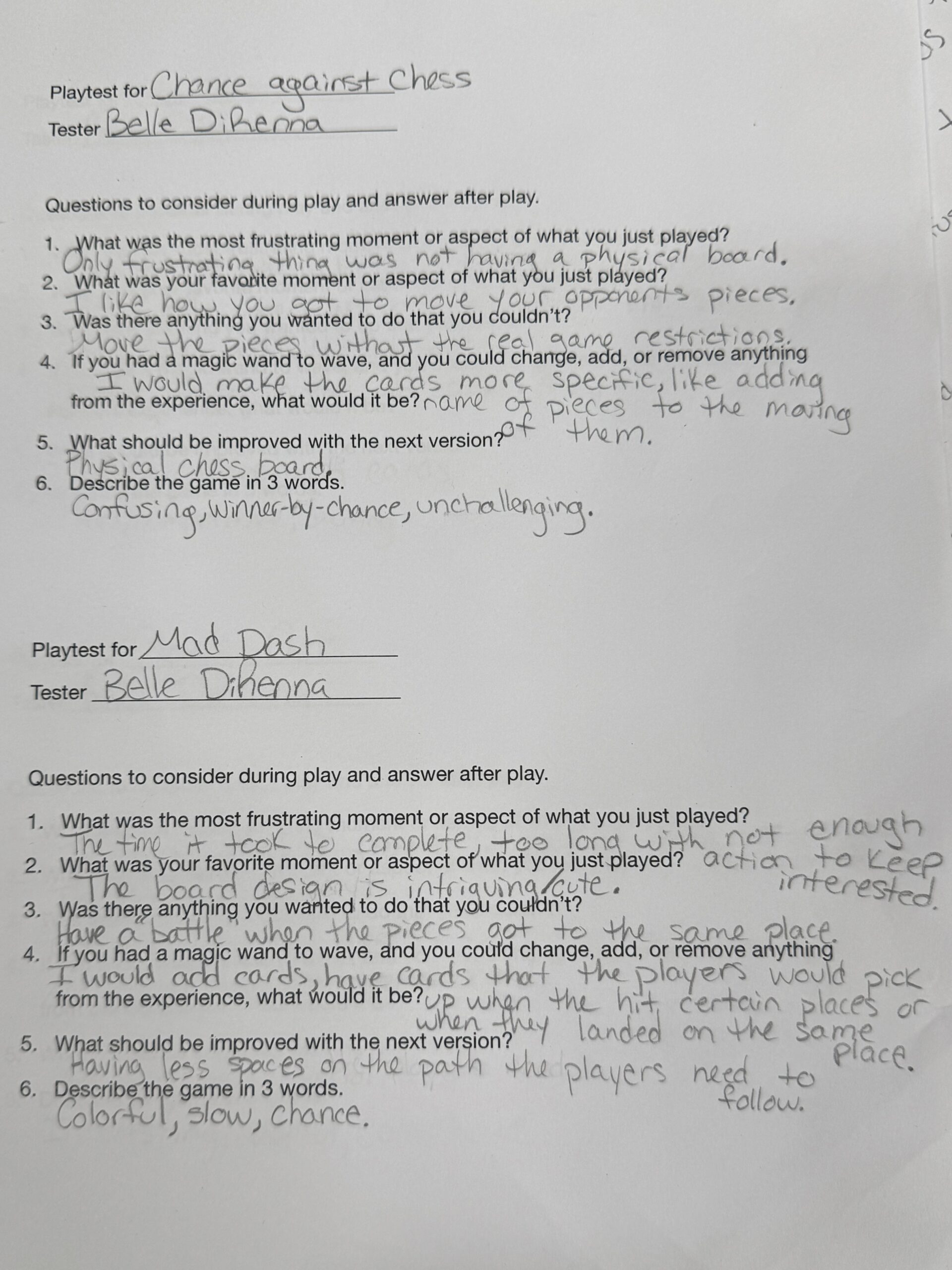
  1. What was the most frustrating moment or aspect of what you just played? Trying to figure out what everyone’s rules were. I amean I had it easy because I was a Civilian and all I had to do was get across the border and try not to kill anyone. However, Everyone else had so may roles that they had to do.
  2. What was your favorite moment or aspect of what you just played? I liked “What I felt like running away from all the other players. I also loved how the game was designed and the uniqueness of the pieces.
  3. Was there anything you wnated to do that you couldn’t? Not really, other than wanting to be a le to take my car back to get other people once I crossed the border, without taking a civilian back across the border.
  4. If you had a magic wand to wave, and you could change, add, or remove anything from the experience, what would it be? I would probably make some sort of cheat sheet for the other players so they know what all their roles in the game are so it limits the amount of questions they have.
  5. What should be improved with the next version? See questions 3 and 4.
  6. Describe the game in 3 words. Unique, Competitive, Creative

Playtest Pt. 2 Game Maker’s Notes

What questions did your players have? The players didn’t really have too many questions to start. This game was overall pretty basic to learn.

How quickly did they learn to play? I only took about 5 minutes. Once I explained the instructions, they were pretty much good.

What kinds of interactions did the players have? There wasn’t a whole lot of interaction between the players themselves. However the players enjoyed making fun of each others earnings and items they bought.

What confused players? Players had a little bit of confusion at first trying to figure out when they could go to the store, some players thought that as soon as they earned enough money to buy a product that they could go to the store. They didn’t realize that they had to wait until they land on a store space in order to be able to go to the store.

What did your players enjoy doing? Players enjoyed earning money and being able to go to the store and buy things.

Did any aspect of the game frustrate players? Earning a lot of low vaule items, resulting in it taking awhile for players to be able to buy high value items from the store.

What did your players learn/ take away from your game? Was that what you intended? There wasn’t really mush of a learing aspect to this game. However, I think players eventually got the idea that it is not always worth saving to buy the most expensive item because the smaller items are easier to buy an abundance of and they eventually add up to be a larger value. Overall, the intention was to teach players about price and value of items.

What is you plan to adress player questions, confusion, and frustration? I plan to make a board to display the store products on so that it is easier for all players to see. I also plan to add another card element to the board. So I will have to have “Pick Up a Product Card” and “Pick up a chance card” space to the baord. The product card will be the same as before. The chance card, will have cards that allow players to steal cards from other players, take free objects from the store, freeze a players turn, etc. I also will give players a set amount of mony to start with, so if they happen to land on a “store” space early on in the game, they have the option to buy something if they choose to.

If your players didn’t get your intended message, what will you change? I think players did get the message but I may try to add more to it somehow.