Rule Set for Matching Language Cards

Players 2-5

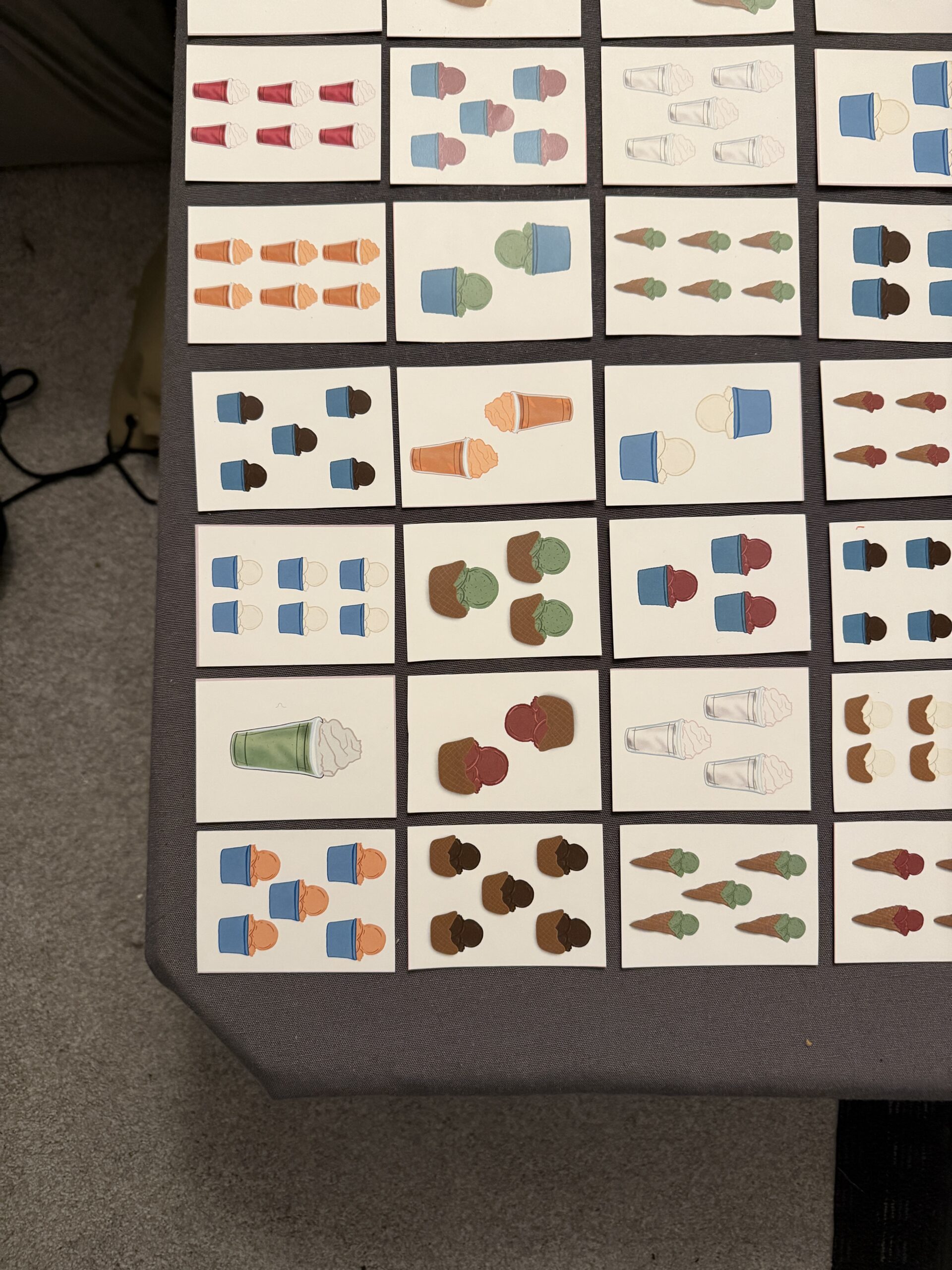
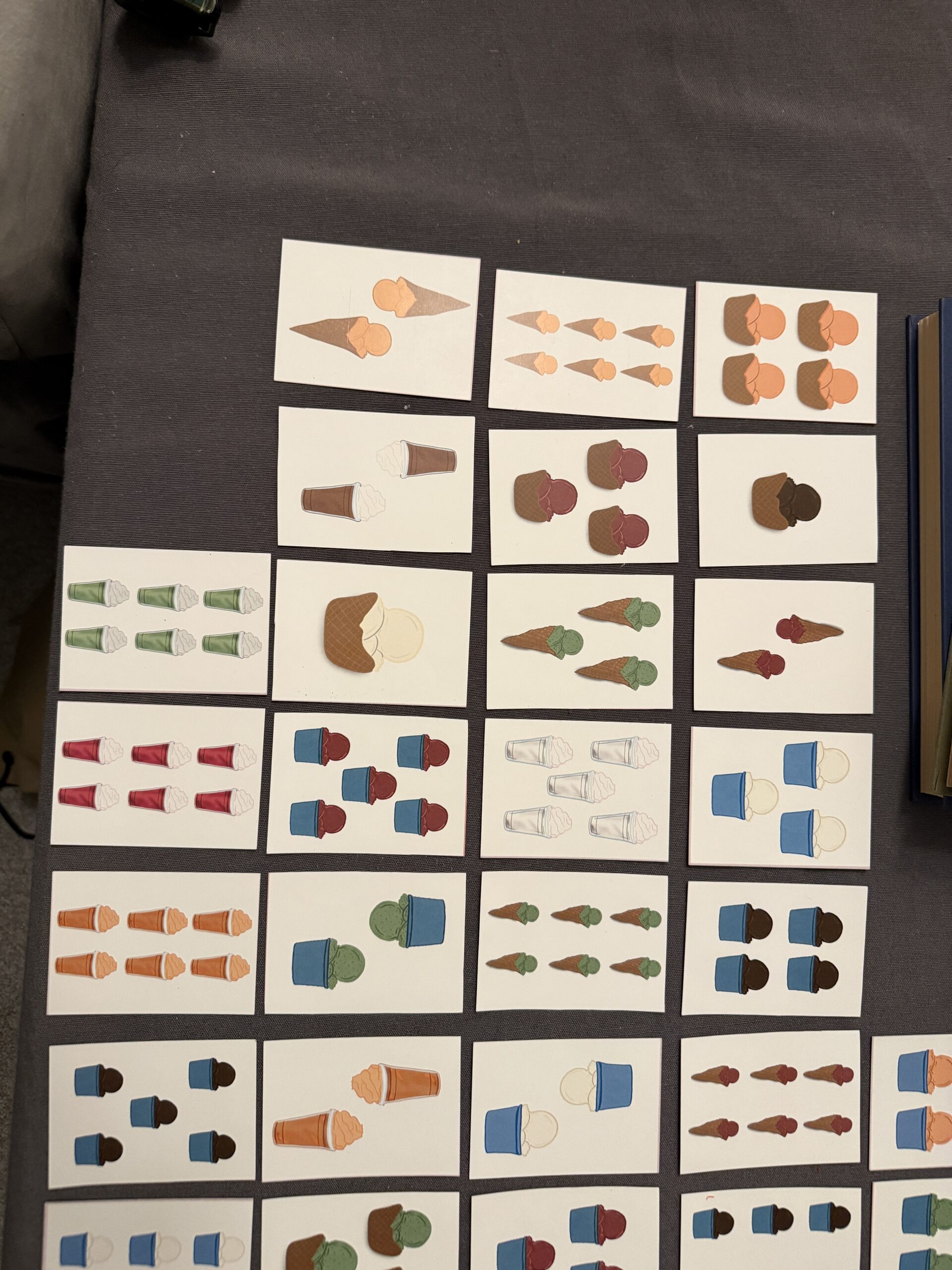
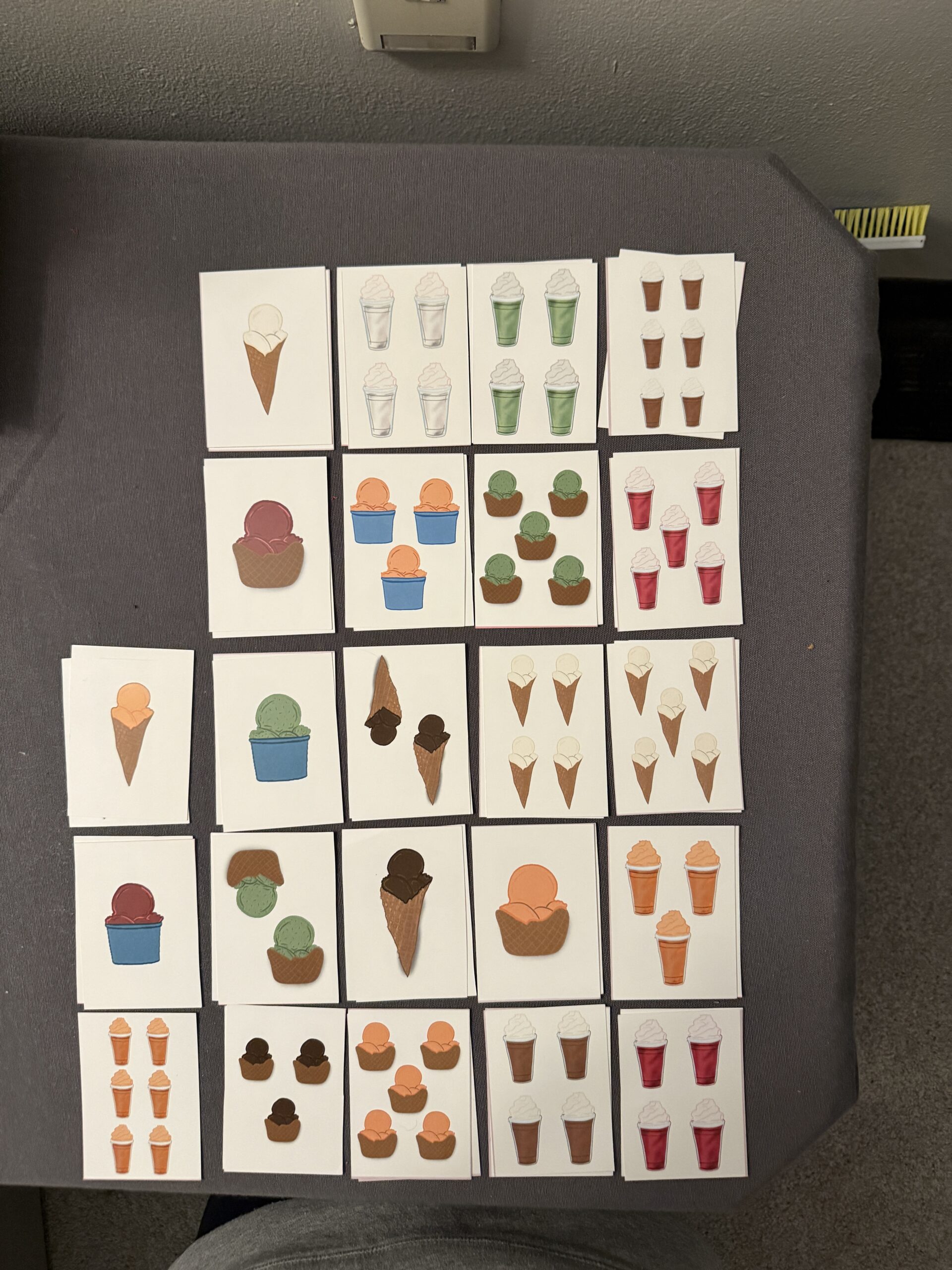
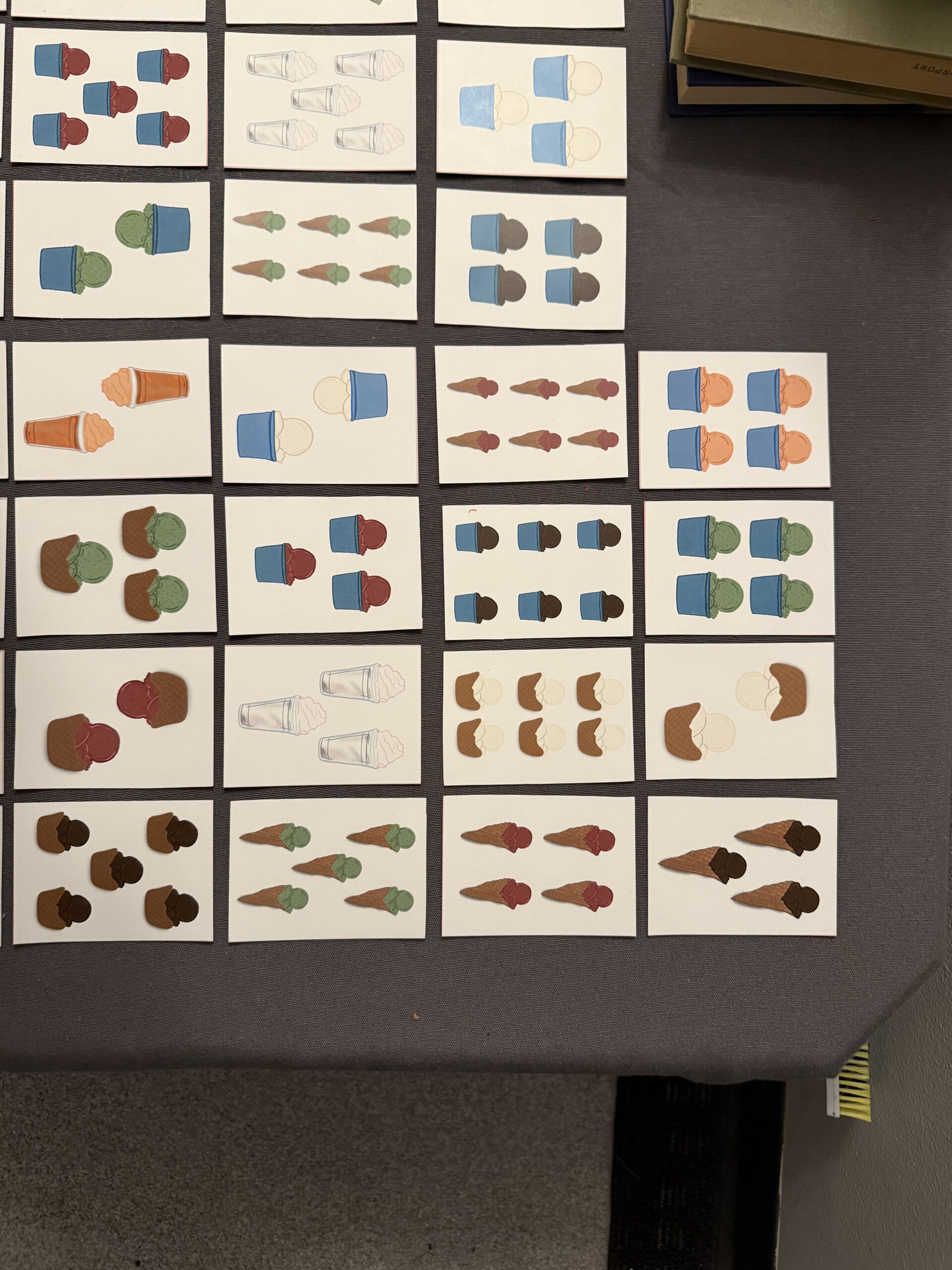
SET UP: Pick the stack that you want to play with and shuffle them with the language NOT in English face up. Lay out all 50 cards in a grid face up

Gameplay:

This is a pretty traditional matching game but obviously instead of remembering where pictures are, you are trying to remember the translation of the words that you are gradually learning throughout the game.

Each turn players attempt to make matches. Every turn, the player flips over two cards.

On their turn, a player flips over a card and reads the translation. They then pick up their second card by trying to find the match to the English word on the back. If the second card does not match the first card THEY PUT BOTH CARDS BACK WHERE THEY ORGINALLY WERE with the NON-English word face up.

FOR EXAMPLE – player 1 flips a card that says “perro” on it. The back reads “dog”. The player then scans the grid trying to see EITHER if they know another word for dog or if a previous player had flipped over the word “dog” before and they remember where it is.

Players take turn attempting to make matches until the grid has been completely matched.

HOW TO WIN:

Players with the most matches wins.

Congrats! You either already know another language or are good at memorizing places on a game board!

possible ALTERNATIVE PLAY:

1. If a matching game seems too boring, here’s another idea to spice it up a little bit.

Instead of taking a turn by trying to find a match by flipping over two cards, there will be an extra “hard” section of words above the matching grid that IF YOU KNOW OR CAN GUESS THE WORD counts as an additional match in your hand. However, guessing wrong does not remove the card from the game but you must reveal your guess and put it back above the grid if you guess incorrectly. The potential then is that other players have the opportunity to steal these bonus cards, narrowing down the meaning. 

2. If there is a tie OR just if you want to keep the matches with the NON English words face up and shuffle the card and whoever remembers the most meanings gets an extra point or the number of points for that number of cards guessed right (by the players discretion)

Changes to be made (for the final):

delete the previous alternative endings – they’re not very natural

ADD possible ALTERNATIVE PLAY/ENDING:

At the end of the traditional matching game, shuffle all cards back together and designate one player to flip a card over in front of all players with non-English side face up and whoever correctly remembers (or guesses) the most English translations

create pictures of English words and put translations on all non-english words for people to pronounce

clarify that you take another turn (limit 2 extra turns) after getting a correct match – what to do when there is a tie

comments were made about different versions being fun potentially

NO GOOGLE TRANSLATE

little flags in the corner for design purposes and countries of origin for the words

Thoughts on Playtesting:

I play tested this in class and with my sister and it went similarly both times – i think it flows nicely but could be a lot of fun with different versions – i tried several different alternative endings with my sister which was informative on how i want to “finalize” it – both times people wanted pronunciations for all words which I definitely will do.

Final Presenation Version:

ALTERNATIVE PLAY/ENDING:

At the end of the traditional matching game, shuffle all tiles back together and designate one player to flip the tiles over in front of all players with non-English side face up. Once the stack runs out, see who correctly remembered (or guessed) the most English translations!

Use this alternative ending to resolve (1) ties (2) language practice or (3) just for fun!

Playtest: Camel Up!_Meredith B

Play: Camel Up!

  1. Was it fun?
    • I really enjoyed it. It was a fun version of horse racing and the ideas around it made it very engaging and fun. It seemed easy for any age, and the random chance of which camel would win make it more engaging and more fun to replay.
  2. What were the player interactions?
    • We were acting more as a group, we were cheering when the camel we wanted moved again and would sigh when we were losing. It was no interaction between players themselves, unless it involved the camels.
  3. How long did it take to learn?
    • In only about 10 minutes, the rules were easy to understand and the game was labeled well to understand where the cards are meant to go. The rules were also easy because the premise of โ€œhorse racingโ€ is very common, so it helps with a general understanding.
  4. What was the most frustrating moment or aspect of what you just played?
    • It was first when one of the camels that you have previously bet on was losing, but that is part of the fun. The point of the game is meant to be frustrating in that aspect, as it is gambling.
  5. What was your favorite moment or aspect of what you just played?
    • It was overall just a fine time. The smoothness of the game and theming was done well, and the act of randomness made the experience feel more like the players were watching the show, instead of controlling it. It felt cool like we were actually watching the live bets on tv, instead of just playing a game.
  6. Was there anything you wanted to do that you couldnโ€™t?
    • I wanted to revoke my bet if anything. I bet on too early and ending up losing money at the end of the game, and couldn’t ever change the bet.
  7. If you had a magic wand to wave, and you could change, add, or remove anything from the experience, what would it be?
    • I would change some of the betting rules. You can bet up until the last race, and could still get full points if you are the 1st one to go. I would change it so that in the 2nd to last round, all bets must end up being placed. This would prevent last minute betting and still keep the bets open for a long time though.
  8. Is this a game you would play again? Yes _____ No ______ Why
    • Yep! It was fun to play and just an enjoyable experience, which is why I would play it again. The whole game was easy and I feel many people would enjoy the game.
  9. Analyze the game using the 3 act structure.
    • The start of act 1 was learning the rules, which was easy since the instructions and board were easy to understand, plus we watched a video that helped too. Act 2, actually playing the game was very fun. It was, like i said, watching and betting on live horse racing and it very fun, while it was only a game. The ending of act 3 was simple, add up the coins and finalize the money for the bets. It was easy to end the game and easy to get it started again too.
  10. What are the collaborative and or competitive aspects of the game?
    • The game was competitive as we were betting on multiple opportunities (camels losing or winning) which caused players to win or lose based on predictions and chances.
  11. What is the gameโ€™s metaphor and which of the gameโ€™s mechanics standout?
    • I like the whole premise, the racing and the theming was great. It made it fun to play and was a kid friendly way to gamble. The whole randomness of the camels movement, and the fact that not every camel wouldย  move every turn makes it interesting.

Trick or Treat Game 2

Game Overview *The Following Condensed version of the game was summarized by ChatGPT*

The game is a race to complete a 10-card collection of your chosen suit. It blends strategic character selection with random six-sided dice-powered actions.

AspectSummary
ObjectiveBe the first player to collect all 10 numbered cards of your suit (Imp, Bat, Ghost, or Pumpkin).
MaterialsThe 40 numbered Minor Arcana cards form the central Muster Deck. The 16 Court Cards (Prince/Knight/Queen/King) are used only for character drafting. You also use a single D6.
Starting StatePlayers draft one unique Court Card to become their character, which defines their goal suit and unique power. Each player starts with 5 cards in hand and 1 Treat Point (TP).

How a Turn Works (The D6 Roll)

On your turn, you roll the D6, and the number determines what you must do:

RollAction TypeWhat it Does
1 or 6DrawYou get new cards from the Muster Deck. (Roll 6 lets you draw 3, but you must discard 2.)
2 or 3AskYou choose an opponent and ask for 2 (Roll 2) or 3 (Roll 3) specific cards. If they don’t have all the named cards, the request fails, and you only get 1 consolation card.
4FortifyYou discard four cards of the same rank (ex., four Aces) to immediately gain 4 Treat Points.
5StealYou name one specific card (ex., “The 9 of Bats”) from an opponent. If you are right, you take the card and get 2 TP. If you are wrong, your turn ends immediately.

The Key to Winning: Character Powers and Treat Points

Character Powers

The Court Card you draft (Page, Knight, Queen, or King) gives you a unique, scaled power that modifies the D6 actions for your suit:

  • Imps (Action): Powers revolve around getting extra turns or free actions after a successful Steal (Roll 5). They are the most aggressive suit.
  • Bats (Intellect): Powers upgrade your Ask (Roll 2/3) actions, letting you ask for cards by Rank (ex., “all your 5s”) or even by Suit (ex., “all your Ghost cards”), instead of naming specific cards.
  • Ghosts (Emotion): Powers revolve around resource resilience. They gain Treat Points when they fail an Ask or when another player successfully Steals from them.
  • Pumpkins (Material): Powers revolve around controlling the Muster Deck and gaining huge amounts of Treat Points from Draw actions (Roll 1/6) or guaranteeing a Draw by spending TP.

Treat Points (TP)

TP is your hidden weapon. Its primary use is to give you control over the card supply:

  • Currency: You can spend 3 TP to perform a powerful Search action (once per turn) where you swap a card from your hand with any card in the discard pile. This is how you snag that one card you know your opponent got rid of.
  • Tie-Breaker: In the extremely rare event that two players complete their 10-card set at the exact same moment, the player with the most Treat Points wins the game.

Smoke Screen

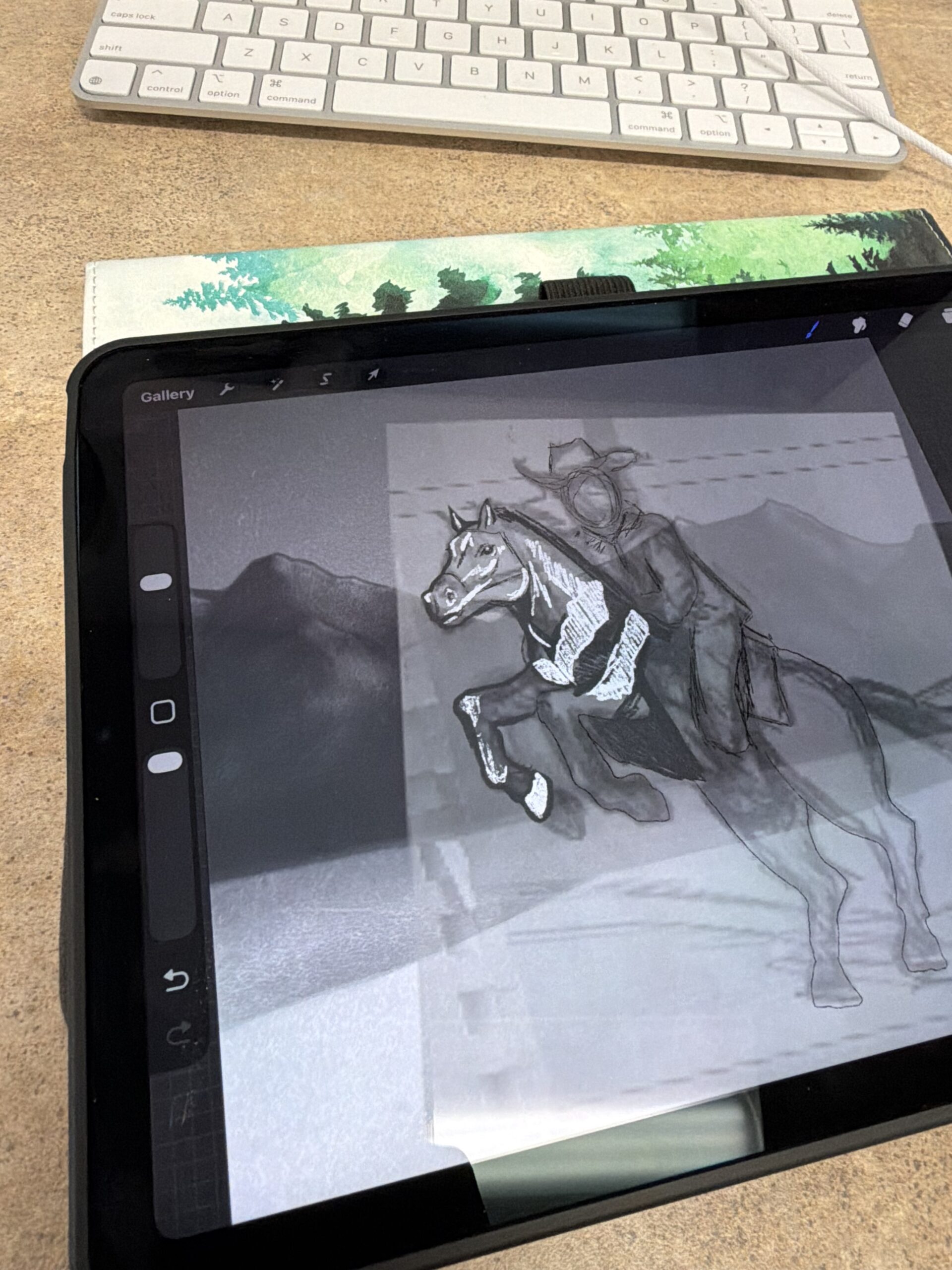
For my Smoke Screen prototype, I rigged up a PVC skeleton, which I then wrapped tape to connecting the acrylic plastic sheets to the PVC perimeter. I drilled holes into the bottom PVC pipe to act as a vent that slowly dispersed the fog upward through the acrylic pathway; and the end results are great. One thing I know is that this set up will look great with a rotoscoped video playing, as it would give the floating holographic screen illusion. Another thing I need to take into consideration for a final rendition, is the make and aesthetic of the smoke screens themselves, as although this rendition worked great as a prototype, it still looks a bit ghetto. Overall I think I’m making immense progress with everything and I am happy with how these results turned out.

Rules for The Alleyway Pharmacy

Madison Hurst

The AlleyWay Pharmacy

Idea: The Alleyway Pharmacy is a card game in which the players are drug dealers competing against other drug dealers where they have to collect various drugs to resell. The kick to it is, the drug dealers have to make sure whether the drugs they collected are real and not candy. If they are caught using candy (x amount of times) then they will go to jail (lose).

Objective: 

  • Players are rival dealers that are fighting for the same street block. They are competing to make the most profit by reselling drugs while avoiding fake ones (candy). To win, the player must be the first to reach the profit goal ($20,000) or by the last one that didnโ€™t get busted.ย 

Materials needed:

  • Deck of cards:
  • Drug cards
  • Candy cards
  • Action cards
  • Profit tracker (score pad)
  • Busted disk trackers
  • Rules sheet
  • Your hand for your cards
  • Stash (faced down pile on the table)

Setup:

  • Shuffle cards into one deck which will become the draw pile
  • Each player will draw 3 cards that will be their starting handย 
  • Give each player 3 busted tokens
  • Have a space for the discard pile
  • Discuss what the profit goal will be for this game (default is $20,000)
  • The tallest player will go first

Insight:

  • Hand: these are the cards you can see and choose from (max. Card limit is 5)
  • Stash: cards you placed face down on the table (max card limit is 6)
  • Profit tracker: how much money you are at
  • Busted tokens: track how many times you had a candy drug (3=jail and you lost the game)

Turns:

  • Draw 1 card from the draw pile

You will then move into your action part of your turn:

  • You can choose one action play
  • Options:
  • Play a drug: place 1 card from your hand to you stash pile (face down)
  • Play an action: use it immediately (sneak, inspect, etc)
  • Slip a fake drug (sneak): Put a card from your hand (candy or real drug) to an opponents stash pile (face down)ย 
  • Pass (take no action)
  • Resell (You can resell if you think you have 3 of the same cards in your stash)
  • If you have all 3 of the same drug, then you will earn a profit based on the value of the drug type. After, you have collected your points you will discard this set

1 Candy drug:

If you have a 1 candy drug  in your stash during RESELL, then your resell fails (even if you have 3 of the same drug) and the player will take a penalty. 

Penalty: Lose ยฝ of the profit or discard 1 random hand card

  • Discard the candy card afterย 

2 or more Candy drug:

If the player has 2 or more candy drugs in their stash during resell then resell fails, and collect 1 bust token. Discard all candy cards 

Check hand and stash number:

  • If you have more than 5 cards in your hand, discard extras
  • If you have more the 6 cards in your hand, discard extras

Out of turn options:

Players are able to play an action card during another players turn

  • Inspect: peek at only one card in a players stash
  • Steal: Force a player to reveal one of their stash cardsย 
  • Snitch: take one random card from an opponent’s handย 
  • Hideout: block a sabotage or inspection against youย 

Win/Lose:

  • Be the first person to reach the profit goal
  • Be the last person standing, if the other opponents went to jail
  • Player is out of the game if they received 3 bust tokens

Card Meanings:

  • Inspect: peek at only one card in a players stash
  • Steal: Force a player to reveal one of their stash cardsย 
  • Snitch: take one random card from an opponent’s handย 
  • Hideout: block a sabotage or inspection against youย 
  • Sneak: place 1 card from your hand to an opponentโ€™s stash
  • Swap: trade 1 card from your stash with 1 from an opponentโ€™s stash (face down)

Drug Values:

  • Weed set: $3,000ย 
  • Pill set: $5,000
  • Coke set: $7,000
  • Heroin set: $10,000