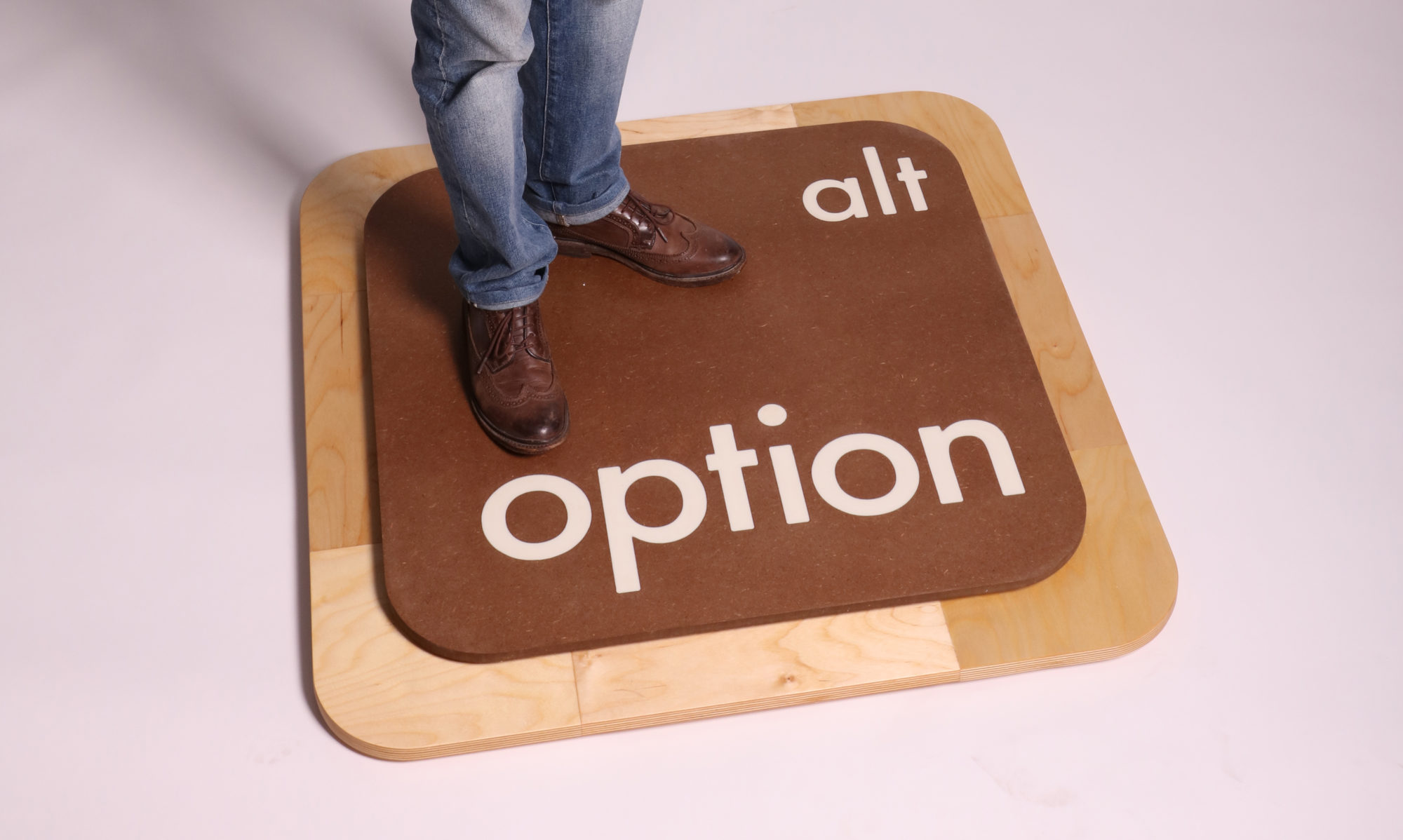
- how does mary flanagan’s definition of game differ from chris crawford’s as well as the definition crafted by katie salen and eric zimmerman? To me, Mary Flanagan’s is the broadest definition. Mary Flanagan defines a game as “situations with guidelines and procedures.” Chris Crawford says a game is a “system in which players engage in an artificial conflict, defined by rules, that results in a quantifiable outcome.” Katie Salen and Eric Zimmerman say it is “a system in which players engage in an artificial conflict, defined by rules, that results in a quantifiable outcome.” One difference between Mary Flanagan and the others is the fact that she doesn’t specify that it must be artificial.
- what is an activist game? activist games are designed to change the players mind and promote a social message.
- go and chess are examples of games that feature “perfect information”, what other games share that feature? checkers and tic tac toe
- why might chance or gambling games hold spiritual or religious importance to ancient cultures? Perhaps it would be seen as symbolism of the will of the divine.
- when was the earliest battle between government/ religious groups and games? what modern games can you think of that have been banned or demonized? perhaps in ancient greece and early Christianity. They didn’t like gambling and so games using this mechanic were frowned upon.
- what is a fox game, and what would be a modern example? a fox game is where the opponents have unbalanced powers or rules working in their favor. Maybe pokemon is a fox game?
- what was the purpose or intent of the game: Mansion of Happiness? players compete to be the first to reach “happiness,” or heaven, a large square in the center of the board. Progress is attained through good moral conduct in the context of the home.
- Why do artists from the Fluxus and Surealist movements play games? Why did Surealists believe games might help everyone? They were both interested in exploring art in new ways. The Fluxus movement embraced playfulness, interactivity, and spontaneity and so gaming would be the perfect outlet. Games can be interactive art that draws people together around a social issue. Surealists believed that games would help people break out of the everyday rigidity of life.
- Changes in what can signal profound changes in games? How were pinball games reskinned during WW2? Cultural changes can lead to game changes. As the US government cracked down on gambling, the gambling-esque features of pinball games had to be altered. (some machines were banned). Players no longer were offered cash rewards but only tokens. This changed the perception of the game from a gambling game to a skill-based game.
- What statements did Fluxus artists make by reskinning games like monopoly and ping pong? By reskinning Monopoly, they made a critique on capitalism and demonstrated their perspective on the economy. The artists also proved how rules of play can shape our understanding of economics and success.
- How are artists like Lilian Ball, Marcel Duchamp, Takako Saito, Yoko Ono, Gabriel Orozco and Ruth Catlowusing war games? These artists have use their craft to interactive experiences that allowed players to engage in something that combatted an issue.
- Why is it important for players to have agency in a critical or serious game? Players must feel that their decisions impact the gameplay and storyline. As defined by Janet Murray, agency is “the satisfying power to take meaningful action and see the results of our decisions and choices.”
Empathy Game Ideas – Week 3
- An empathy game disguised as a dress up game – In this game, you literally see what it’s like to be in someone else’s shoes. You dress your character up for different occasions and events however your outfit options will be limited based on who you are playing as, as some characters may have more resources than others. This game could also explore dressing for different religions to not only provide a little bit of education about different religions but make people more familiar with religious garments and their purpose.
- Wrinkle: You play this game IRL and report your findings. You are assigned or choose the lifestyle of another person to emulate and your clothing choices must reflect that to see how you may be treated differently or not. For instance, there are certain items of clothing that you may not be able to wear as they would be out of the price range for your particular persona.
- Dog’s Life – This game explores empathy through the perspective of a dog. You are home alone almost all day until your human comes back home (where did they even go??) and your human accidentally steps on you, but to you it felt purposeful. Your human decided to go on a run without you (ultimate betrayal). This game would explore the little interactions that humans have with their animals that humans don’t often think about. To the dog, you are their whole world, they absolutely need you. For a human though, they obviously love them, but their lives also have so much more.
- Blindness Platformer – A platformer game where you play and experience the game first normally, then will replay levels or the whole game with limited visibility with different types of blindness and color blindness. You see how this affects the game and you learn a little bit more about the different types of blindness. This is designed to get people to be more empathetic towards people with these disabilities.
- Underdeveloped Country Simulator – This game would allow you to play as someone growing up in an underdeveloped country. You want to stay alive as long as possible, but you will be faced with many challenges. This could include food and water scarcity. This game will also explore different forms of cultural entertainment, because you still want to “enjoy” life. Players will learn more about the country and their culture, as well as some of the unique challenges of underdeveloped countries. This will make people consider the things that we often take for granted.
- Realistic Food Service Game – This game will present the food service industry in a more realistic manner to make players more empathetic of the people who are serving them and greeting them at restaurants. It will explore what it is like to have to live off of tips, how poorly some customers treat servers, etc.
Five Game Ideas That Revolve Around the Theme of Empathy
- Walk in My Shoes: Players live as someone different (refugee, single parent, etc.). They make tough choices about daily life and see the consequences.
- Echoes of War: Players are civilians in a war. They make moral choices and see how war affects everyone.
- Through Their Eyes: Players see the world with disabilities (blindness, deafness, autism). They learn to understand different abilities.
- Chain of Kindness: Players do kind things that affect the game. It shows how small acts matter.
- The Stranger’s Story (ARG): Players get messages from someone who needs help. They solve puzzles and work together to help. It mixes real life and fiction to build empathy. It uses real-world clues and actions to make the story feel real and encourage players to care.
The Stranger’s Story
How It Works:
Players receive a cryptic message, email, or social media post from a person who seems to need help.
Using real-world interactions (e.g., visiting a certain location, researching online, or collaborating with other players), they uncover pieces of the person’s story.
The game changes dynamically based on how the player responds—offering support, ignoring the message, or taking different paths.
Core Themes & Impact:
Players become part of a living narrative where their choices determine how the “stranger” (a fictional but believable character) overcomes their struggles.
Designed to promote real-world awareness, such as homelessness, mental health, or immigration challenges.
Uses player collaboration and real-life locations to foster engagement, making empathy an active and immersive experience.
WEEK 3
How does Mary Flanagan’s definition of a game differ from Chris Crawford’s, as well as the definition crafted by Katie Salen and Eric Zimmerman?
Mary Flanagan sees games as more than just fun or competition. For her, games can be tools for activism or making a statement, not just about winning or losing. Chris Crawford focuses on how games are different from puzzles. He says games are dynamic—they change as players make decisions, while puzzles stay the same until you solve them. Katie Salen and Eric Zimmerman define games more strictly. They see games as systems with rules, where players face artificial challenges and work toward a clear outcome, like winning or losing.
What is an activist games
Activist games teach about social issues. They try to make players think about problems like fairness and equality. They’re more than just fun.
What other games feature “perfect information” like Go and Chess?
Checkers, Shogi, Othello, and Mancala are games where everyone sees everything. No secrets or luck.
Why might chance or gambling games hold spiritual or religious importance to ancient cultures?
Long ago, people thought luck and chance came from the gods. Gambling was seen as fate or the gods’ power. It was both fun and spiritual.
When was the earliest battle between governments/religious groups and games? What modern games have been banned or demonized?
Some people have always thought games were bad. Like in Egypt and Mesopotamia, they thought gambling was a bad influence. Today, some video games are criticized for violence like GTA and Doom, and some board games for promoting capitalism.
What is a fox game, and what would be a modern example?
Fox games have one player (fox) against many (geese). The fox tries to win. Dead by Daylight is a modern example with a killer (fox) hunting survivors (geese).
What was the purpose or intent of the game Mansion of Happiness?
Mansion of Happiness was a game to teach good Christian behavior. Good actions helped you, bad actions set you back
Why did artists from the Fluxus and Surrealist movements play games? Why did Surrealists believe games might help everyone?
Artists like Fluxus and Surrealists used games to be creative and different. They wanted to challenge old ideas. Surrealists thought games helped people think creatively and avoid strict rules.
Changes in what can signal profound changes in games? How were pinball games reskinned during WWII?
Games can change with what people believe. Like during WWII, pinball machines were changed to support the war instead of gambling.
What statements did Fluxus artists make by reskinning games like Monopoly and Ping Pong?
Fluxus artists changed Monopoly and Ping Pong to show problems with capitalism. They made them silly, cooperative, or critical, not about winning or losing.
How are artists like Lilian Ball, Marcel Duchamp, Takako Saito, Yoko Ono, Gabriel Orozco, and Ruth Catlow using war games?
Artists change war games to show war is bad and to talk about peace. They sometimes make war games abstract or symbolic to challenge how we usually think about war.
Why is it important for players to have agency in a critical or serious game?
Agency means players can actively take part and think about a game’s ideas. Without agency, players just passively receive messages, without really thinking about them.
HW
- Discuss:
- ARGs: A World Without Oil:
- I feel like this is a good real world scenario that not only helped players become more conscientious about the environment, but it also pushed them to make an impact through gardening, biking to work, or participating in local farmers markets.
- Discovery Tour by Assassin’s Creed:
- I feel like this took all the fun out of Assassin’s Creed, as you couldn’t play the traditional game mechanics in these historical sites. However, from a strictly historical standpoint, I would say it was worth the knowledge of these places architecturally in their true forms.
- Detroit Become Human:
- Although I’ve never played this game, I hear that it draws emotions out of the players, and the fact that there are so many different ways that the game could play out, I think that is something as game designers we should strive for.
- Factorio:
- This game partially influenced one of my future prototypes that I am currently in the conceptual stage with. I tried incorporating the sense of colonizers Vs Natives in an attempt to steal resources to take over their land. If I had a critique on this game, maybe they shouldn’t have made it so fantasy, like prof. Ames said, and instead shed some light on the struggles of the natives due to these factories being built.
- Outer wilds:
- This game screams fantasy and future dystopian in an alien yet sorta familiar world. I think this game succeeds in the idea that sometimes nature can be scary, and that sometimes one must defend themselves from it.
- Gris:
- I loved the art and seamlessness of the animations and the actual playing of the game, as they all looked uniformed to each other and worked super well. Although it was hard to get the hang of it at first, understanding that sometimes a game is just there to make you think differently but not stress out too much about it was reassuring. Beautiful style and theme.
- Gone Home:
- Idk why but this game reminded me of that one game where you’re in that house and you try and escape from an evil granny.
- The Layoff Game:
- I think this is one of those satire games that people shouldn’t get too upset about, as the developers took a real world issue, and simply poked fun at the matter. Do I agree with the message, no. However, I wouldn’t go as far to feel offended by it.
- Homework:
- Generate a list of five game ideas that revolve around the theme of empathy. Wrinkle: Take one of the five ideas and make it an alternate reality game.
- 1. Emotional Pictionary: players must draw a feeling that they have in under a minute. Then it is up to other players to guess what it was that made them feel that way.
- 2. Poverty POV: Engage in a POV from all different walks of life, resulting in understandment for what other cultures must go through around the world in 3rd world countries
- 3. Pet paradise. This game consists of players competing to rescue as many stray dogs as possible in order to bring them from their life on the streets, into a pampered home, by playing different challenges and rolling a percent die to determine the outcome.
- 4. shroompathy: Players take on the role of someone experiencing a deep, emotional, and slightly ridiculous psychedelic journey. Other players must guide them through it in the most empathetic yet funny way possible.
- One player draws a Trip Card (weird, surreal experience).
- The other players respond with Guide Cards (comforting or unhelpful things a “trip
- sitter” might say).
- The tripping player awards the point to the most comforting but absurdly funny response.
- 5. Ink Memories: this game is set in a dystopian world where people forget their past, but tattoos preserve their memories. As a tattooist, players restore lost moments through symbolic ink-work. Clients’ reactions change depending on how well the tattoo captures their forgotten experiences.
- Read: Chapter 1 and 3 from Flanagan, Mary. Critical Play Radical Game Design, MIT Press, 2009
- From chapter 1:
- How does Mary Flanagan’s definition of a game differ from Chris Crawford’s, Katie Salen’s, and Eric Zimmerman’s?
- Chris Crawford defines games as interactive and competitive. In which players make decisions to reach a goal. Overall, he focuses heavily on conflict and competition.
- Katie Salen & Eric Zimmerman define games as much more structuralized set of rules. Which in turn determine the outcome of the game. Their definitions highlight systems, player interaction, and experience
- Mary Flanagan, Defines games as tools for expression, social commentary, and activism. She pushes that games have the ability to challenge cultural norms and create new forms of engagement beyond simply being played for enjoyment or entertainment. This is a lot like the definition of an activist game.
- what is an activist game?
- An activist game is a game designed to promote social change, critique issues with how our world is run, or raise awareness about real problems in the world.
- From chapter 3 –
- From chapter 1:
- go and chess are examples of games that feature “perfect information”, what other games share that feature?
- Checkers, Shogi, Tic-Tac-Toe
- why might chance or gambling games hold spiritual or religious importance to ancient cultures?
- Bc Ancient societies believed that randomness/luck was connected to the divine.Dice games, lot-drawing, and other gambling mechanics were often used for:
- Decision-making by deities
- Predicting the future
- Determining leadership or settling disputes.
- when was the earliest battle between government/ religious groups and games? what modern games can you think of that have been banned or demonized?
- In Ancient China (3000 BCE), these rulers attempted to restrict gambling due to its association with disorder. Currently, games that I can think of that have been banned are games like happy wheels in schools, as it was too gorey for children to play according to the teachers and staff.
- what is a fox game, and what would be a modern example?
- strategy board games in which a predator tries to catch prey. A similar modern game to this could be Agar.io as you spawn for the soul purpose to eat smaller circles than you.
- what was the purpose or intent of the game: Mansion of Happiness?
- Mansion of Happiness was a christian morality-based board game that rewarded players for good behavior. All the while punishing sins such as pride, idleness, and gambling.
- Why do artists from the Fluxus and Surealist movements play games? Why did Surealists believe games might help everyone?
- Fluxus artists used games to challenge traditional art forms as well as a critique on capitalism.
- Surrealists saw games as a way to unlock the unconscious mind, in a way to free creativity
- Changes in what can signal profound changes in games? How were pinball games reskinned during WW2?
- During World War II, pinball machines were redesigned to feature military themes, in a hope to make the players more patriotic.
- What statements did Fluxus artists make by reskinning games like monopoly and ping pong?
- It allowed them to give a critique on capitalism, as well as turn a competative game, into something more collaborative
- How are artists like Lilian Ball, Marcel Duchamp, Takako Saito, Yoko Ono, Gabriel Orozco and Ruth Catlow using war games?
- to critique political powers
- Why is it important for players to have agency in a critical or serious game?
- it helps players engage deeper with the message that a game tries to push.
Week 3 Game Ideas – Empathy
1. “Walk in Their Shoes”
- Concept: This narrative-driven role-playing game invites players to experience a day in the life of a character facing unique challenges, such as someone from a different cultural background, a person with a disability, or a refugee.
- Gameplay: Players make choices that affect their character’s day-to-day experiences, navigating obstacles like social misunderstandings, discrimination, or physical challenges. The game would highlight the emotional and practical struggles these characters face, aiming to foster empathy by showing the world from their perspective.
- Objective: By engaging with these experiences, players gain insights into the complexities of different lives and the emotional weight carried by those in marginalized situations.
2. “Perspective Shift”
- Concept: In this cooperative game, players control two characters—each from opposing sides of a conflict or disagreement (e.g., two people in a tense relationship or people from different cultural or political backgrounds).
- Gameplay: Players must solve puzzles, overcome obstacles, and collaborate while switching between the two characters, forcing them to see the world from the other’s point of view. Each character has unique strengths, weaknesses, and biases. Players must communicate and work together to solve problems, realizing that empathy is key to overcoming conflict.
- Objective: The goal is to reach mutual understanding and collaboration, encouraging players to embrace the challenges of seeing and appreciating the perspectives of others in order to resolve conflicts peacefully.
3. “Emotion Cards”
- Concept: A card-based game where players take turns drawing cards that represent emotional scenarios (e.g., a person who has just received bad news, a child who is trying to make friends, someone experiencing a great success). The other players must guess the emotional state of the character based on limited clues.
- Gameplay: Players engage in conversations about the scenarios, interpreting body language, tone of voice, and written clues. The game encourages reflection and discussion about how emotions shape behavior and interactions.
- Objective: The goal is to identify emotions correctly, but also to understand the complexity of those emotions and why people act the way they do, promoting empathy in understanding human feelings.
4. “The Giving Game”
- Concept: This cooperative, story-driven game focuses on players working together to help people in their community or environment. The game revolves around different scenarios where characters face emotional or material hardship (e.g., a friend in need of support, a neighbor facing loneliness, a colleague dealing with stress).
- Gameplay: Players are tasked with finding ways to give help—whether through time, understanding, or resources—and must navigate the consequences of their decisions. The game includes challenges like time management, emotional intelligence, and resource allocation, all while keeping the needs of others in mind.
- Objective: The game encourages players to think about how empathy and selfless actions affect relationships and communities. The aim is not just to help but to truly understand the other person’s needs and offer thoughtful support.
5. “Empathy Quest”
- Concept: A quest-style adventure game where players must embark on a journey to help others, each representing different walks of life. Along the way, players encounter individuals who need help with personal, emotional, or social issues, requiring players to listen, understand, and act thoughtfully to provide solutions.
- Gameplay: The game offers dialogue options, where players choose their responses, each revealing a different level of empathy. For example, players might need to choose whether to comfort someone, offer advice, or simply listen. These decisions will influence how the other characters view the player and whether they trust or feel supported.
- Objective: The goal is to build trust and relationships, with success tied to the player’s ability to understand others’ emotions, provide appropriate help, and make the world around them a better place through empathy.
Review On Games Played Week 3
Dumb Ways To Die: I think this is the first game that was shown in class that I have actual played. I remember playing this game on my ipad as a child. Though I used to play it as just a form entertainment rather than thinking about what the game’s actual purpose.
Cards Against Humanity: To be honest I am not really sure if I have an opinion on this game. I wasn’t really totally sure what was going on while I was watching this game be played. It doesn’t really seem like a game I would enjoy either.
Cast Your Vote: This is another game that I wouldn’t really choose to play. I don’t know why but I have never really enjoyed games that were like this.
Sara Estus – Reading Questions Response
Chapter 1 Reading – Critical Play Radical Game
- How does Mary Flanagan’s definition of “Game” differ from Chris Crawford’s as well as the definition crafted by Katie Salen and Eric Zimmerman?
- While Mary Flanagan feels that games function more as cultural products, shaped by the designer and players to create a specific experience, stating that games are about how players interact with a system, being deeply influenced by cultural context and personal interpretation. Chris Crawford’s definition of games is vastly different, distinguishing between games and puzzles, emphasizing that games evolve and are shaped by the player’s actions, while puzzles are static and have fixed solutions, leading to the idea that games are dynamic, and rules can change based on the player’s decisions. However, Katie Salen and Eric Zimmerman stated that a game is a system in which players engage in an artificial conflict, defined by rules, that results in a quantifiable outcome. outlining six key components; system, artificial, players, conflict, rules, and outcome, presenting a more formal and structured approach to understanding games.
- What is an Activist Game?
- Mary Flanagan states that Activist games are characterized by their emphasis on social issues, education, and, occasionally, intervention. More so that the concept is a challenge on real issues, through the themes, narratives, roles, settings, goals, and characters; and less commonly, through game mechanics, play paradigms, interactions, or even the concept of winning to benefit an intended outcome beyond a game’s entertainment or experiential value alone.
Chapter 3 Reading – Critical Play Radical Game
- Go and Chess are examples of games that feature “perfect information”, what other games share that feature?
- More examples of games that feature “Perfect information” are Tic-Tac-Toe, checkers, and Mancala.
- Why might chance or gambling games hold spiritual or religious importance to ancient cultures?
- Chance or Gambling games hold spiritual or religious importance in ancient cultures, due to the factor of the game sharing the principles of “fate and divine will.” Anthropologists and play scholars Csikszentmihalyi and Bennett noted that games of chance “seem to have emerged from the divinatory aspect of religious ceremonials.
- When was the earliest battle between government/ religious groups and games? What modern games can you think of that have been banned or demonized?
- The earliest battle between government/ religious groups and games can be traced back to Ancient Rome with gambling, though gambling was initially allowed in Rome, concerns about its social and moral effects grew, with leaders like Emperor Augustus who tried to stop excessive gambling by imposing restrictions and laws.
- What is a fox game, and what would be a modern example?
- A fox game is “a group of board games featuring unequal opponents, one player is the fox, or aggressor. Other players control or play the numerous geese, sheep, or prey the fox tries to eat while the fox attempts to avoid the traps his opponents set all around him.” A modern-day example of this (Sorry this is so funny) is Among Us, where one player is an imposter, and the others are normal crewmates. The idea of the game is to find the imposter before too many crewmates are murdered.
- What was the purpose or intent of the game: Mansion of Happiness?
- In the game: “Mansion of Happiness” “players compete to be the first to reach “happiness,” or heaven, a large square in the center of the board. Progress is attained through good moral conduct in the context of the home. Here, good deeds lead children and their play pieces down the path to “eternal happiness” and players must beware of landing on spaces that interject, albeit through chance, the setbacks of “vices” such as cruelty and ingratitude.”
- Why do artists from the Fluxus and Surrealist movements play games? Why did Surrealists believe games might help everyone?
- Surrealists emphasized the playfulness of Dada using chance and juxtaposition, but they were also concerned with the internal workings of the mind and encouraged a deep focus on the subconscious. Relying on the work of Sigmund Freud, and the importance of perceptions. This understanding pushed Surrealists to believe that games might help everyone by challenging the mind and how players perceive the world. However, Fluxus artists saw that games lay between the rational and the absurd, between mobility and fixed trajectories, and between logic and chance. And sought a new art practice, one that was open to humor, intimacy, player agency, and various aspects of performance.
- Changes in what can signal profound changes in games? How were pinball games reskinned during WW2?
- Changes in game mechanics, themes, technology, or social contexts can often signal profound shifts in games, whether they are physical, digital, or social. These changes may arise from new technological advancements, shifts in cultural attitudes, or responses to external circumstances, such as war. With this, during WW2 pinball games were reskinned due to a shortage of metals, often, the machines would become completely non-electric, depending on plastics and wooden components. Artistically, during the war pinball machines contained patriotic art, rather than pop culture.
- What statements did Fluxus artists make by reskinning games like Monopoly and Ping Pong?
- By distorting the structure of Monopoly or removing its focus on profit, Fluxus artists sought to expose the artificiality and destructiveness of capitalist structures, pushing for a more playful and egalitarian approach to human interaction and creativity. Furthermore, Fluxus artists were not necessarily interested in the outcome of games but rather in the process of playing itself. This approach to Ping Pong de-emphasized competition and embraced the idea that art and play should be about exploration, interaction, and openness rather than winning or following traditional rules.
- How are artists like Lilian Ball, Marcel Duchamp, Takako Saito, Yoko Ono, Gabriel Orozco, and Ruth Catlow using war games?
- Lilian Ball often uses participatory art to engage audiences in reflecting on power and conflict through game-like interactions.
- Marcel Duchamp uses chess as a metaphor for strategy, power dynamics, and competition, exploring the intellectual and aesthetic aspects of games.
- Takako Saito creates interactive, unpredictable game-like situations that question traditional roles and the arbitrary nature of conflict.
- Yoko Ono uses games to envision peace and cooperation over violence, with works like Play It by Trust promoting pacifist ideals.
- Gabriel Orozco reimagines chess with expanded possibilities, symbolizing freedom and creativity in resolving conflict rather than being bound by fixed rules.
- Ruth Catlow creates a reworked chess game called Rethinking Wargames that introduces pawns as resistors to violence, emphasizing the importance of negotiation and nonviolent resolution.
- Why is it important for players to have agency in a critical or serious game?
- Player agency is crucial because it allows players to feel that their choices and actions have a meaningful impact within the game world. By creating a space (the magic circle) players can feel that what they say and do matters in terms of the outcome of the game. Agency also allows players to better reflect on serious matters that can promote learning.
Week 3 Questions
From Chapter 1:
- How does mary flanagan’s definition of game differ from chris crawford’s as well as the definition crafted by katie salen and eric zimmerman? Chris Crawford contrasts what he calls “games” with puzzels. Katie Salen and Eric Zimmerman among other game scholars, note a wide variety of definitions of the term “game”. Salen and Zimmerman (2003) also discuss the designer’s ability to create situations for “meaningful play.”
- What is an activist game? Activist games can be characterized by their emphasis on social issues, education, and, occasionally, inter-vention. In other words, they are not purely conceptual exercises, but rather, games that engage in a social issue through, most commonly, themes, narratives, roles, set-tings, goals, and characters; and less commonly, through game mechanics, play para-digms, interactions, or win states to benefit an intended outcome beyond a game’s entertainment or experiential value alone.
From chapter 3 :
- Go and chess are examples of games that feature “perfect information”, what other games share that feature? Checkers, and tic-tac-toe
- Why might chance or gambling games hold spiritual or religious importance to ancient cultures? There is evidence that ancient games involving chance often held spiritual and
- ritualistic importance. Senet offered board designs for two players and rules incorporating chance. Hounds and Jackals, or Fifty- Eight Holes, appeared in Egypt in the Middle Kingdom around 2000 BC and consisted of two parallel tracks of twenty- nine holes assembled in groups of five.
- When was the earliest battle between government/ religious groups and games? what modern games can you think of that have been banned or demonized? In 1254, St. Louis IX of France forbade Tafl at court, calling the game “inhonesti ludi.”33 Thus the battle between government or religious groups and games is at least as old as this event, if not much older. I am not really a gamer so I can’t really think of any games that have been banned.
- What is a fox game, and what would be a modern example? a group of board games featuring unequal opponents, one player is the fox, or aggressor. Other players control or play the numerous geese, sheep, or prey the fox tries to eat while the fox attempts to avoid the traps his opponents set all around him. Fox games are characterized by an unbalanced set of game goals and a rather abstract board. These “unbalanced games” paralleled the popularity of chess, Go, and backgammon, and their rules of play were relatively stable.
- What was the purpose or intent of the game: Mansion of Happiness? Players compete to be the first to reach “happiness,” or heaven, a large square in the center of the board.
- Why do artists from the Fluxus and Surealist movements play games? Why did Surealists believe games might help everyone? Artists, especially those who followed the Surrealist and Fluxus movements, also tend to play games as a form of recreation and research. Surrealists believed that games might help everyone—artists, scientists, politician, even farmers, tap into the spiritual realm and the human unconscious.
- Changes in what can signal profound changes in games? How were pinball games reskinned during WW2? As seen in fi gure 3.20, the typical wildlife featured in the original game is replaced with a changeover unit to make the game politically relevant during the Second World War.
- What statements did Fluxus artists make by reskinning games like monopoly and ping pong? Fluxus artists were deeply interested in breaking down the boundaries between art and everyday life, and by reskinning games like Monopoly and Ping Pong, they made statements that challenged traditional notions of art, culture, and social structures. Fluxus, which emerged in the 1960s, was a movement that sought to blur the lines between art and life, using games and interactive actions as platforms for artistic expression and political critique.
- How are artists like Lilian Ball, Marcel Duchamp, Takako Saito, Yoko Ono, Gabriel Orozco and Ruth Catlowusing war games? Artists like Lilian Ball, Marcel Duchamp, Takako Saito, Yoko Ono, Gabriel Orozco, and Ruth Catlow engage with the concept of war games in different ways, often using the format of the “game” as a tool for exploring themes such as power, control, violence, and the absurdity of war. These artists might either directly reference military conflicts or use the structure of games to critique traditional notions of war.
- Why is it important for players to have agency in a critical or serious game?
Games, such as Catlow’s chess game, expose the possibilities of player agency in other ways: fi rst, by empowering the pawns, thus imbuing traditionally conceived pieces/ roles with new power; second, by opening up the possible outcomes of the game in terms of widening the possible win states, thus rewriting the original in visionary ways. Metaphorical or actual, the game design must embody action, and depending on how active a game feels, its critique may be more or less apparent.
Sara Estus – Game Ideas (Empathy and ARG)
5 Games that provoke empathy:
- Talk to your plants: Players own a plant shop in the game. As they slowly start to get to know the visiting customers who purchase plants from the shop, they begin a special shelf with various types of plants like the ones each customer has purchased. With each plant being named after the customer. As the player gets to know each customer, the plants on the player’s special shelf will change, the plants can grow beautifully, wither, wilt, or bloom depending on how the customers are feeling. It is the player’s job to make each customer feel welcome and safe in the little plant shop and keep the plants happy and healthy.
- Don’t judge the Book: Players are given a card with a sentence about something that has happened in someone’s life, but it is all completely anonymous. Players then are given various pictures of the people who wrote the sentences and must try to match the people with the sentences. This game is a play on “You never truly know what someone is going through.”
- School Supplies: In this game, players are given $100 and a ticket with the age, grade, and likes of a child in K-12. Players must then purchase items using their best judgment. After purchasing the items and taking them to the school, players get a letter with photos going into the future of how these items have helped the children in need.
- Stay with Me: Players are given a small booklet that tells the life story of an elderly person in a home. After reading about the person, they are tasked with visiting the person and keeping them, a company based on what they know. The goal of the game is to make friends and keep a well-deserving person happy. Extra points if you run some errands, make them a meal, get to know them even more, and visit often.
- Comfort Food: Players are given a recipe card for a meal that someone has written. After buying the ingredients and making the food. The player will then hear the story of why the food was chosen as a comfort food for someone. Bonus points if you make the food and invite the person to join you for the meal.
Wrinkle: Stay with Me and Comfort Food: Though a few of these games are quite easy to implement into real life, I think mixing both games is a perfect way to not only hear someone’s story but also to experience the purest form of love and joy through another person – Food. Players can document their time with their new friends, and share recipes online for other players to enjoy. Fully documenting a heartfelt experience, while sharing delicious food online, bringing impact to culture, the importance of sharing stories, and of course building relationships. Though this could not be considered an ARG, I consider the issue of people expressing a lack of time, money, and resources to come into play – but I would ask players to consider that documenting stories of these people, and their culture is something many don’t do, and making it incredibly important to document regardless of other factors is the importance of the game.
Sara Estus – In class game reviews
Dumb Ways to Die:
I played this game before we reviewed it in class. The original animated video became super popular in 2012 when I was around 11. From the perspective of someone who does have experience with trying to ride the wave of something popular they have done (the ducks), it’s nice to see a company using their popularity to create a well-developed game for people to enjoy. The gameplay is quite simple, with “levels” and speeds that the player must save the character from “dying in a dumb way.” All in all, a very fun game with a unique art style.
Fake it to Make it:
I had never heard of or played this game before we reviewed it in class. The concept of creating a game based on fake news and internet doom scrolling is interesting. I enjoyed how in-depth the game went on how users scouted out “viewers” to interact with the clickbait articles. It showed how much effort people put into just gathering views. The internet culture of today is complicated, and this game provides a new perspective on fake news and the impact of the articles.
Cards Against Calamity:
I had never heard of or played this game before we reviewed it in class. Creating a game that focuses on the impact of those in control is a difficult concept, but this game makes such a complicated matter into simple terms and mechanics. Though the game has a lot of reading and takes a moment to analyze the impact of each choice, it’s quite fast-paced and entertaining. What I enjoyed most about the game was the input the NPCs had depending on what the user did.
Cast Your Vote:
I had never heard of or played this game before we reviewed it in class. As someone who finally voted for the first time in the primary election this past November, I understand the confusion about who to vote for. I had wanted to vote for my local election earlier in the year but knew nothing about any of the people running. The concept of spreading awareness and teaching young adults the importance of using their resources to vote and understand who and why they are voting is incredibly important. Creating a slower-paced game that runs down the process step by step doesn’t seem like an easy task, but it is well executed.
Week 2 [Tori Rojas]
Why do the advergames Tooth Protector and Escape work? Tooth Protector and Escape are effective because they are engaging and interactive, successfully blending entertainment with their marketing goals. Tooth Protector works by using a fun, competitive game format to promote dental care, while Escape leverages narrative and decision-making, keeping players engaged with the brand. Both games create memorable experiences that associate positive emotions with the advertised product.
What makes Chase the Chuckwagon and Shark Bait fail? Chase the Chuckwagon and Shark Bait fail because they lack depth and meaningful engagement. These games do not build a strong connection between the player’s actions and the brand, and they don’t create an experience that resonates beyond the gameplay. The focus on simplistic mechanics instead of interactive storytelling or strategic depth makes them forgettable and ineffective in achieving their marketing objectives.
What does Volvo’s Drive for Life accomplish? Volvo’s Drive for Life campaign uses a strong narrative to promote the safety features of their vehicles. By incorporating real-world scenarios and demonstrating how the car’s safety features work, it engages players in a way that highlights the brand’s commitment to safety. It accomplishes the goal of connecting the brand with reliability, trust, and concern for consumer well-being.
What company used in-advergame advertising? Coca-Cola is one example of a company that used in-advergame advertising. By creating branded video games, they aimed to connect their product with interactive experiences, making the brand more engaging for younger audiences.
What was one of the first home-console advergames, and what beverage was it for? One of the first home console advergames was Pepsi Man, which was released for the PlayStation in 1999. The game was used to promote Pepsi, using its mascot in a platformer format to create a memorable link between the beverage and the game.
What makes the toilet training game sophisticated, and do you agree? The toilet training game is sophisticated because it tackles a real-world challenge in a meaningful way, using interactive mechanics to mirror the emotional journey of learning and success. It blends entertainment with practical life skills, which makes the experience educational yet engaging. I agree that its sophisticated design mirrors how games can influence behavior beyond simple entertainment.
What do advergames and anti-advergames have in common, and what principles do they share? Advergames and anti-advergames share a focus on influencing consumer behavior through interactive media. Both aim to shape perceptions, either by promoting or critiquing products and behaviors. They also utilize persuasive principles, whether to endorse a product’s value or challenge its perceived impact on society.
Here are five game ideas designed to change players’ minds about important topics like climate change, energy, and politics:
Five Ideas:
- Eco City Builder (Climate Change)
In this game, players take on the role of city planners tasked with building a sustainable, eco-friendly city. Players must balance resources, manage waste, and prevent pollution while growing the population and economy. As the game progresses, players face challenges like rising sea levels, extreme weather, and resource shortages. The goal is to show how small, everyday decisions in urban planning can have long-term impacts on the environment. - Energy Quest (Energy)
Players are tasked with managing the energy needs of a fictional country, with the challenge of transitioning from fossil fuels to renewable energy sources. They can invest in solar, wind, and other green energy sources, but must balance economic growth with environmental responsibility. The game highlights the trade-offs between different energy sources and educates players about the importance of sustainable energy and the consequences of continued fossil fuel use. - Political Debate: The Voter’s Choice (Politics)
This game simulates an election cycle where players take on the role of a political candidate. Players must craft speeches, create policies, and navigate debates while facing opposition from rival candidates. The catch: The player must engage in real debates with other in-game characters, all while learning about the real-world issues their policies would impact. The game encourages critical thinking and understanding the broader consequences of political decisions. - The Last Forest (Climate Change)
Set in a near future where deforestation has led to severe climate consequences, players must work together to preserve the last remaining forest on Earth. Players play as environmental activists who are tasked with stopping illegal logging, creating protected areas, and educating communities on the importance of forests. The game focuses on raising awareness about biodiversity loss and the role forests play in climate regulation, pushing players to see the value of conservation efforts. - Green Revolution (Food & Sustainability)
In this farming simulation game, players are challenged to grow crops using sustainable farming techniques. Players must deal with climate change effects like droughts, floods, and soil depletion while learning how to implement solutions like crop rotation, water conservation, and organic farming. The goal is to teach players about the challenges of modern farming and the impact that unsustainable agriculture has on the environment, encouraging smarter, more sustainable choices.
Thoughts on games played:
McDonald’s Game:
Playing the McDonald’s game made me think about how the fast-food industry operates. It’s a commentary on how profit-driven motives often overlook the health of workers, the environment, and consumer well-being. The game highlights the lengths corporations go to in order to maximize their reach, pushing a product that may not always be in the best interest of society.
Intergroup Monopoly:
Intergroup Monopoly offers a powerful social commentary on inequality and privilege. It shows how some groups are at an advantage simply by existing within a particular social or economic framework. The game reveals how systems of power are embedded even in something as simple as a board game, emphasizing that success isn’t just about individual effort, but also about the structural conditions we’re born into.
Week 2 Questions
- what advergames have you played? did they influence a purchase? I have not played any advergames (that I remember) except the ones in class. I doubt I would buy an advergame. However, if it was offered in a QR code or free WITH a purchase of a product, I would be more likely to be impacted
- why do the advergames tooth protector and escape work? What makes chase the chuckwagon and shark bait fail? In tooth protector, it represented the actual purpose of the product and oral hygeine in general in a fun and casual way. It helps change players minds that oral care is a logical choice rather than moral. The game mechanics of chuckwagon and shark bait had nothing to do with the product. The gameplay was also supposedly forgettable.
- what does volvo’s drive for life accomplish? It helps players actually visualize the effects (with and without) of the safety features they brag about.
- what company used in-advergame advertising? Pepsico
- what was one if the first home-console advergames and what beverage was it for? Pepsiman with Pepsi
- what makes the toilet training game sophisticated and do you agree? The author believes what makes this game so sophisticated is the mechanic of urinating. I’ve never played this but based off of the description, “sophisticated” definitely isn’t the term I would use.
- what do advergames and anti-advergames have in common, and what principles do they share? Both aim to persuade players of something and use the interaction of the games to do so. They rely on creating a engaging experience that will leave a good impression on players. Ideally, this experience forces players to think and act towards the product in ways they wouldn’t with a traditional ad. Users also become more invested (time & emotions) in games than they would with a TV ad. They rely on this emotional appeal.
Review On Monopoly
Was it fun? Yes, it was still fun despite it being very unfair
What were the player interactions? Players would land on each other’s properties and pay rent. In my case some of my opponents were paying me to buy properties for them since I would land on properties that they wanted.
How long did it take to learn? Did not take too long since it was the same as the original game with a few different rules per player.
Would you play it again? Yes, I would play it again
Analyze the game using the 3 act structure. 1 – Players roll the dice to see what character they get and they see what type of rules they have for that character. 2 – Players start to buy properties and collect rent when opponents land on their properties. 3- Players start to run out of money.
What are the collaborative and or competitive aspects of the game? Players exchange properties and compeate to collect the most properties and end up with the most money.
What is the game’s metaphor and which of the game’s mechanics standout? The game’s metaphor is that life isn’t always fair or equal. The rules for each character I thought were very unique because it made the tradional game a lot more challenging rather than just the simple boring game.
Week 2 Questions
- What advergames have you played? did they influence a purchase?
- I don’t think I have ever see or played any advergames personally, besides the ones that were showed in class. From what I have seen the games haven’t made me want to buy the products anymore than before.
- Why do the advergames tooth protector and escape work? What makes chase the chuckwagon and shark bait fail?
- The reason that Tooth Protector and Escape worked is because they had a strong sense of realism and graphics. On the other hand Chuckwagon and Shark Bait both had very poor graphics and left the audience nothing to relate to.
- What does volvo’s drive for life accomplish?
- Stress the importance of safety to drivers and educate them.
- What company used in-advergame advertising?
- Walmart, IKEA, Lego, McDonald’s, and M&M’s.
- Walmart, IKEA, Lego, McDonald’s, and M&M’s.
- What was one if the first home-console advergames and what beverage was it for?
- Kool-Aid man, for Atari VCS
- What makes the toilet training game sophisticated and do you agree?
- The game was sophisticated because it was described as “strange attractor that draws and repels the players curser to mimic a lack of control.” In one sense I agree, in another sense I think it is dumb because who would call something like this sophisticated.
- What do advergames and anti-advergames have in common, and what principles do they share?
- Advergames and anti-advergames both use interactive digital games to engage players, but for different purposes. Advergames promote products or brands, while anti-advergames challenge advertising and consumer culture. Both rely on entertainment to keep the players interested. Advergames target specific audiences aiming at potential consumers. Both types also encourage players to think about the influence of advertising.