Week 13 Question Set

Describe the best game you’ve made this semester in 200 words? Follow Michelle Nephew’s advice.

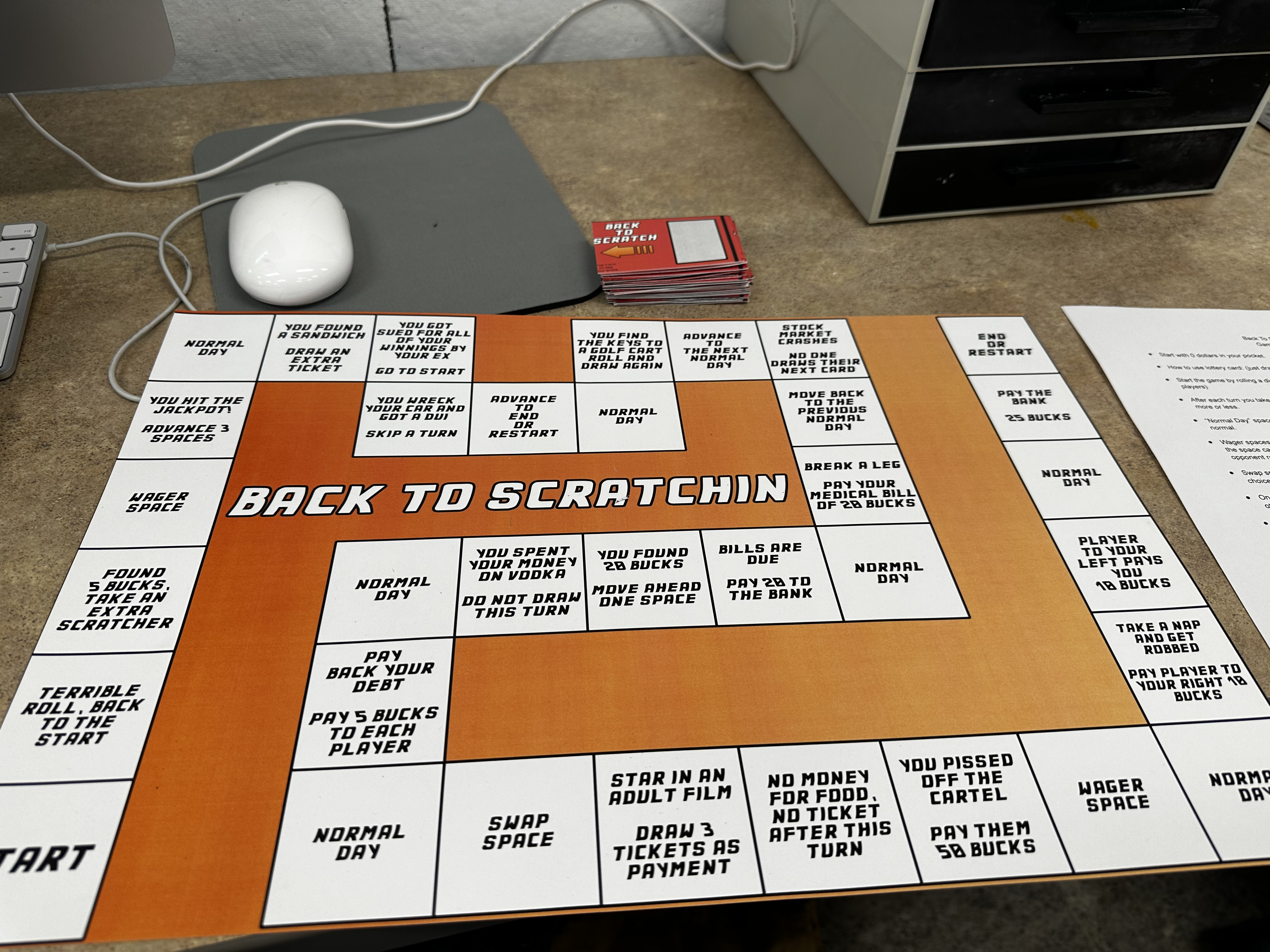
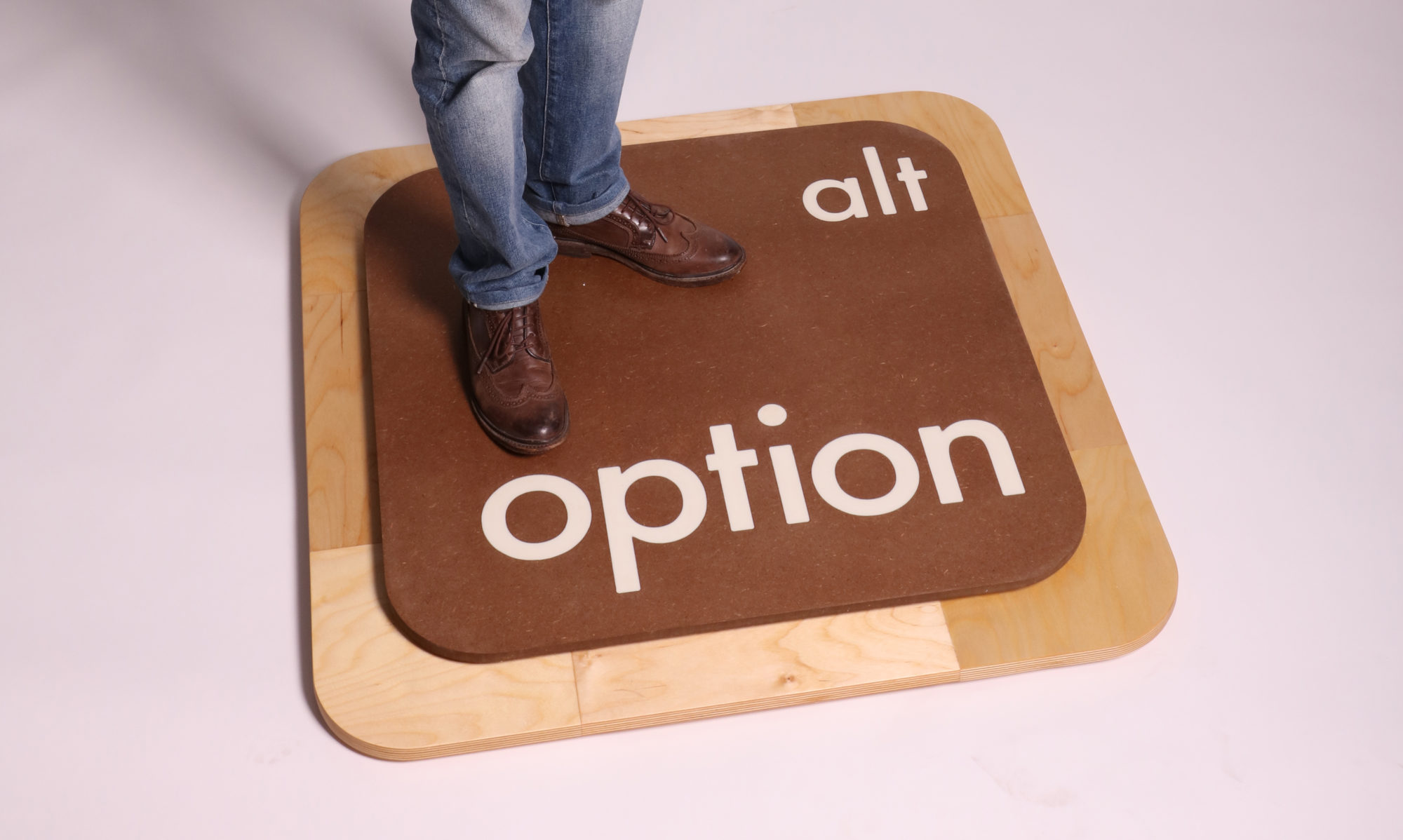
The best game I’ve made this semester is Skater Skirmish. Compared to my other games, this game stands out as the most complete. While some of my other games struggled to progress beyond the first prototype phase due to playability issues, Skater Skirmish managed to overcome these challenges. The concept was easy with players, and their responses encouraged me to refine it further.

What makes Skater Skirmish special is its accessibility. The gameplay is easy, making it enjoyable for people of all age groups who can move their hands. This inclusivity comes from its  easy mechanics and simple rules, which ensures that anyone can learn and play the game. I prioritized simplicity because a more complicated design would have kept younger players or those unfamiliar with board games from playing.

To continue, Skater Skirmish blends fun and strategy with ease. Players are engaged in a game of classic skate, with just enough change to the game to make it interesting. It’s a game I’m proud of because it represents my growth as a designer and a carpenter. By focusing on player enjoyment, I created something that works with a wide audience.

Week 12 Question Set

  • Question Set 1
    • What is the difference between a “working” and a “display” prototype?
  • A working prototype is a functional game prototype that is playable, while a display prototype provides the artistic aspects of the game without it being functional.
    • What is required of a working prototype, and what might cause one to fail?
    • A working prototype is a game that functions as it should with all aspects of the game, and only needing further refinement based on what comes from playtesting. It can fail if the rules are unclear, or if there are elements missing.
    • What makes for a good prototype according to Dale Yu?
    • The game should be easy and intuitive to play, have a clear goal and rules, and the game should be complete enough to be clearly playable without much issue and interference from the creator.
    • What advice from Richard Levy will help you pitch your game?
    • Be clear and focused on your goals, understand your audience, include a demo of how the game is played, and be professional.
    • Where might you pitch your game?
    • I could pitch my game at local skate shops or similar stores. On top of that, it can be pitched at competitions where brands set up tents.
    • What do publishers look for in a game?
    • How well the game functions, how well it will sell, how re-playable it is, and that the game has a good appeal to the target audience.
    • What makes a good set of Rules?
    • Rules should be clear and concise, and shouldn’t have to be questioned by the player for more than a few seconds. If rules are not clear, than that can sway a player from playing the game as intended.

Game Review of Sara and Amber’s Rotten to the Core- Colin Kenny

Was it fun?

I might not have been the best audience to play as I often get anxious and scared thinking about death stuff but I think a lot of people could have fun playing this game.

What were the player interactions?

When I played it was light-hearted discussing the situations on each card and our opinions on things like insects and fungi.

How long did it take to learn?

It took around 5 minutes to learn, very simple rules.

Would you play it again?

Maybe one more time as another tester, but I would need to consider it and make sure I’m in a good headspace first.

Analyze the game using the 3 act structure.

We started off by just taking turns and moving down the board. It was really anyone’s game to win or lose. We then started drawing cards that would eventually cause us to lose spaces at the end of the game, and although Gideon and I were behind getting to the end, it looked like one of us would win. We finally all reached the end and tallied the points and sent us back to were we should be, and it turned out I won. I forgot to tell Ames afterward, so Ames if you’re reading this, I would love some more invisable and imaginary points please and thank you.

Game documentation (to feed or not to feed)

Alana Tush

Game rules

  • Photos of:
    • the game when setup 
    • details of the pieces
    • glass beads (blue and white) and cards
    • Cards

any design iterations – changes to the board, cards or pieces

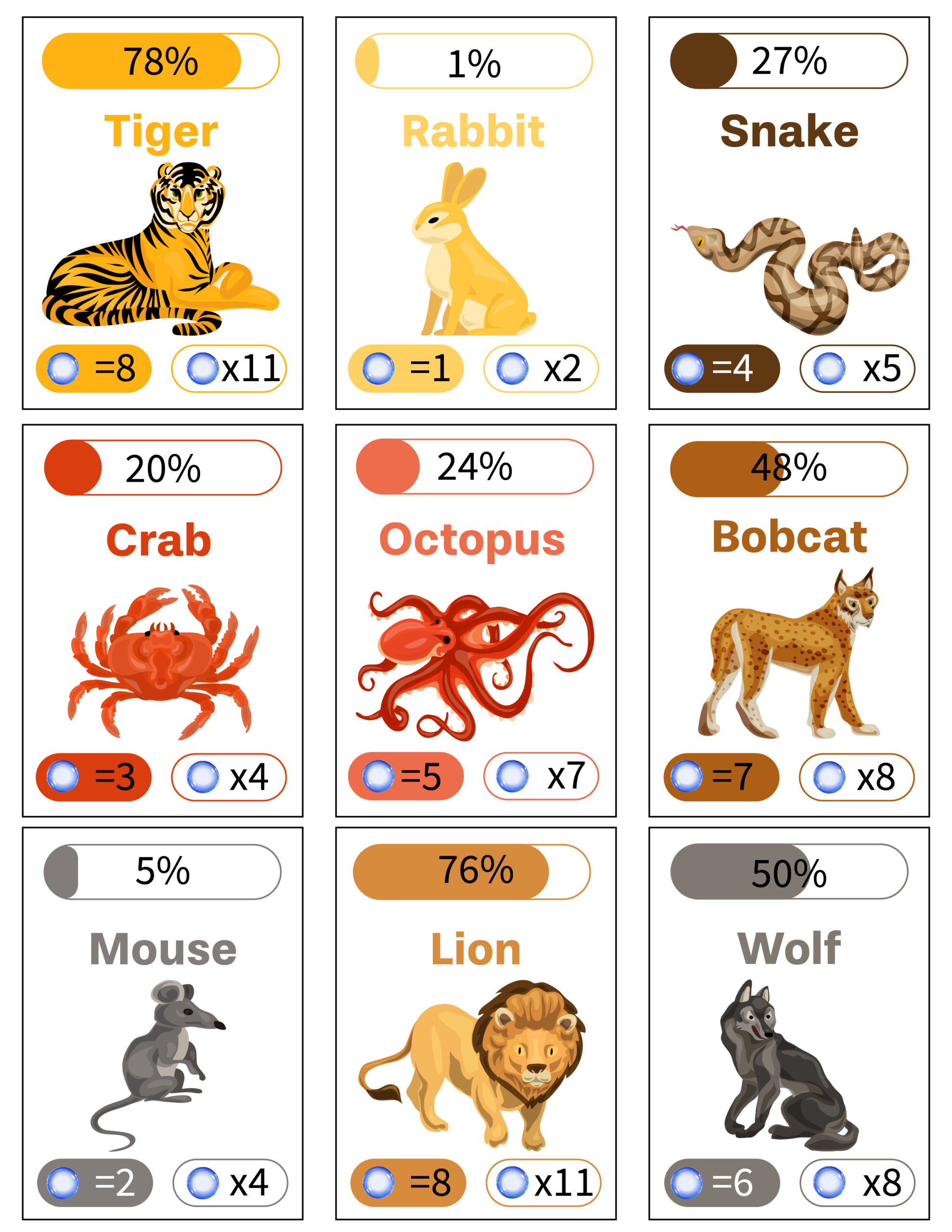
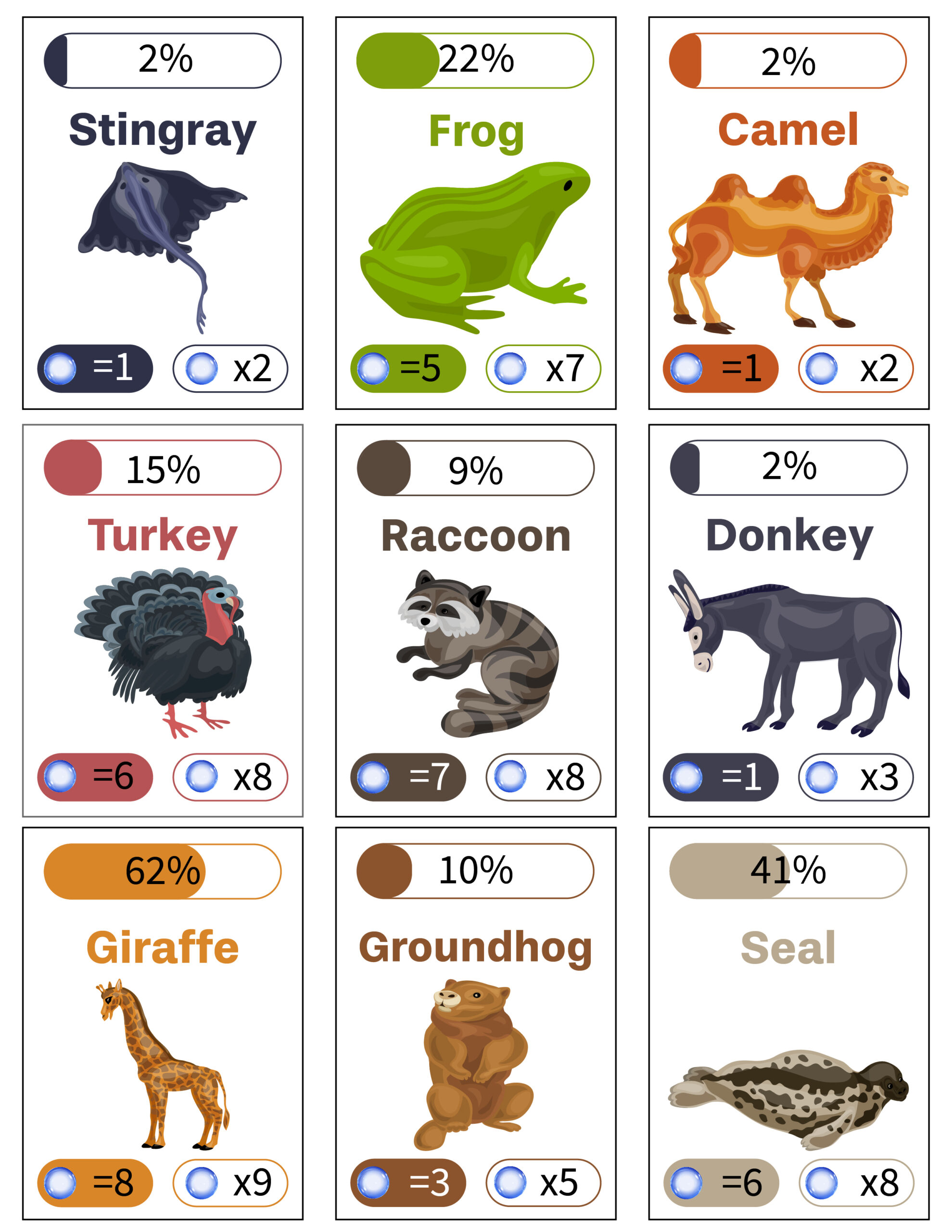
  • There were many versions of the cards, which I only have the final because I was working on the same illustrator document. I got blue glass beads for the food, and later bought white glass beads to switch out when the animal is fully fed. So i added that after play test An overview of changes made
  • I changed that the players can look at their cards before they put them down, instead of putting them down like a game of war where it is a mystery.
  • Your thoughts and lessons learned from play testing 
  • The game makes a lot more sense to me because I’ve been thinking about it and making the rules than it does to someone that has never seen the game before. It takes more time to learn.

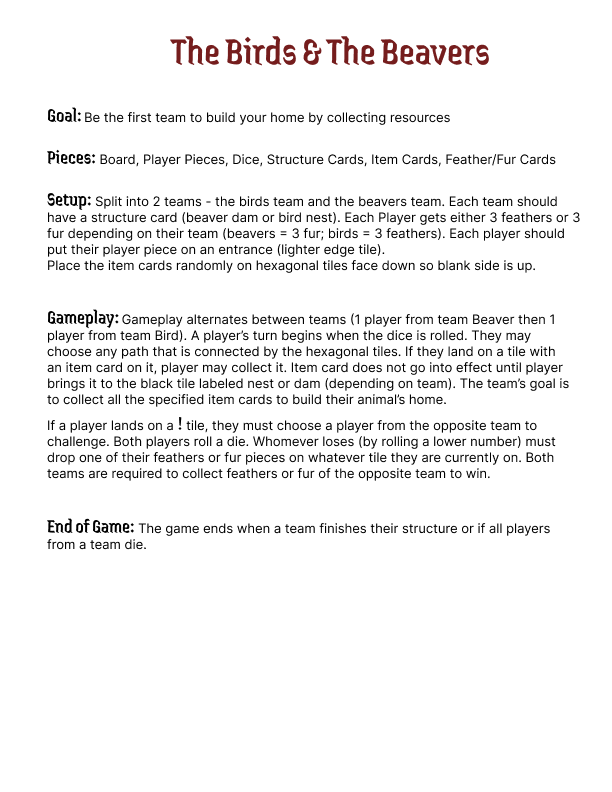
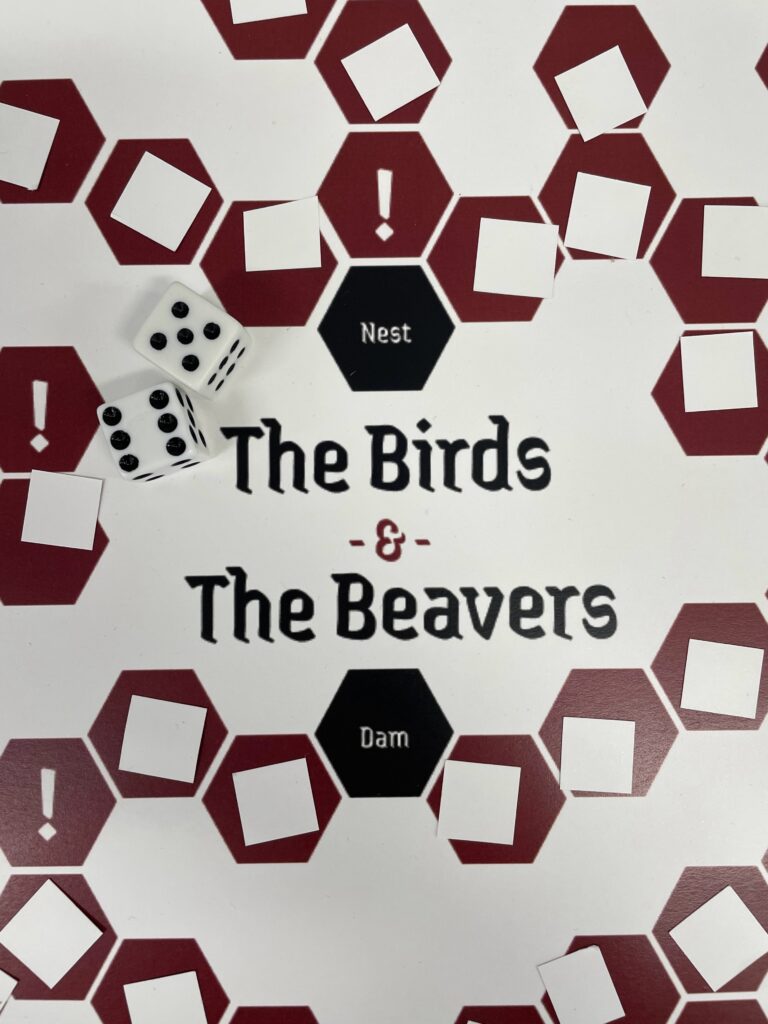
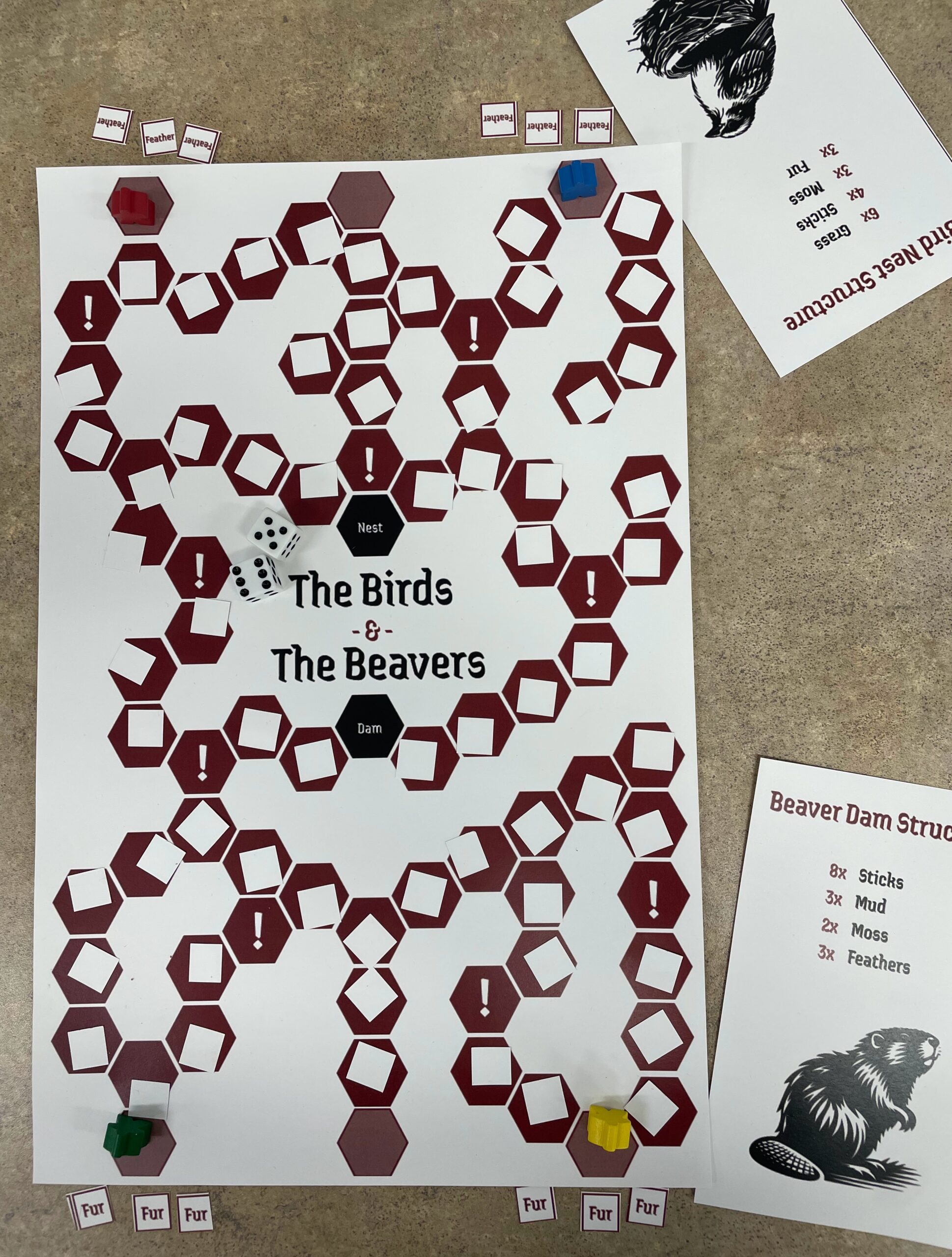
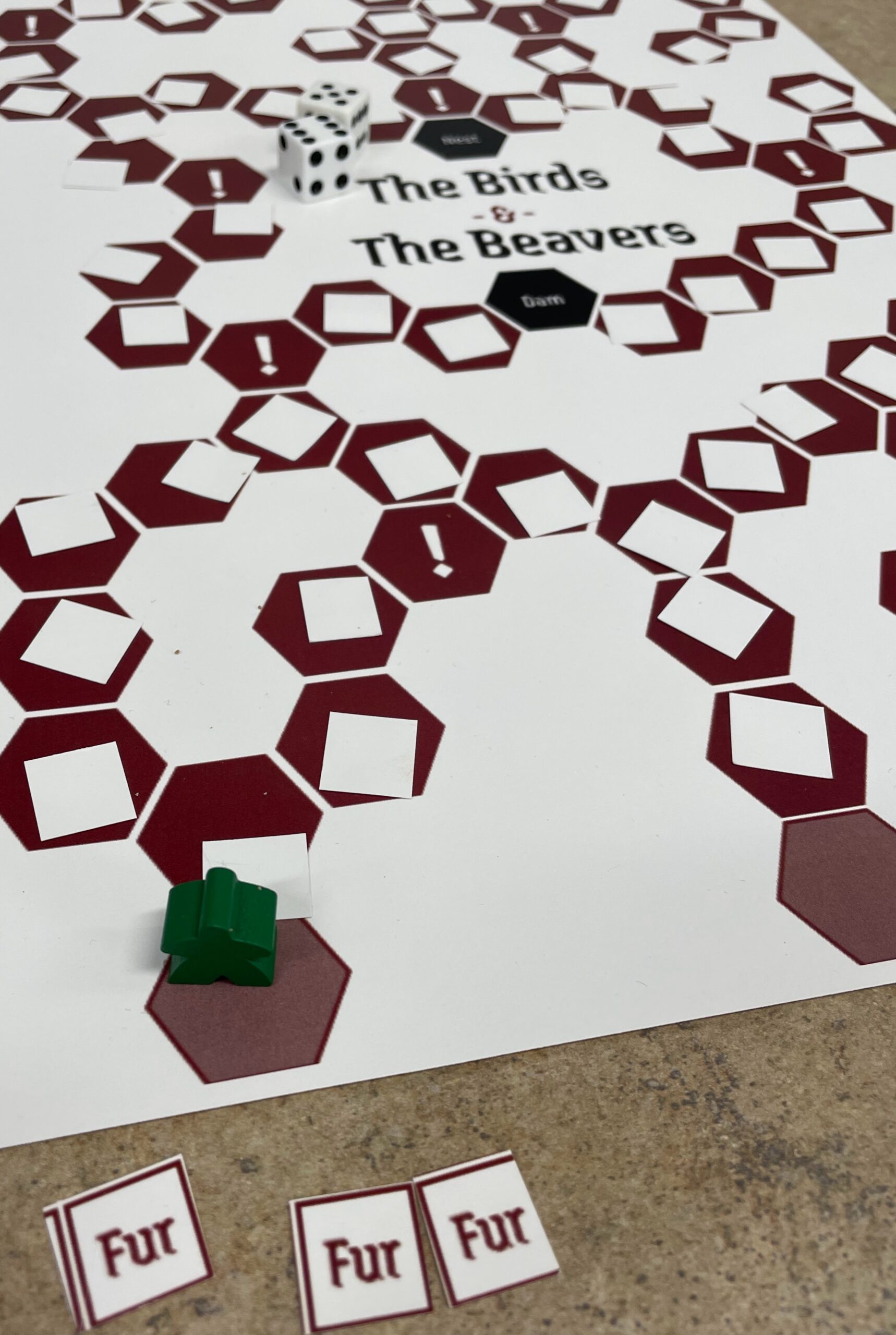
Documentation of The Birds and the Beavers

We have not made any changes after this original prototype.

If I were to make further iterations of this, I would make minor mechanics tweaks and then enhance the design. First, I would add the ability to trade in useless resources for one players want at a 4:1 ratio. I would also add the ability to collect your teammates lives for them (but if they are dead they stay dead). Next, I would specify that a player does not need to roll the exact number to land in their teams home and place resources. Other than that, all changes would be cosmetic. I would flip “The Birds” and “nest” so it would be facing the birds team. I would make the board out of a thicker material and all of the spaces would be indented for the resource pieces to fit in like a puzzle. The resource pieces would be hexagonal. Perhaps the Player Icons could be little birds and beavers.

The game worked very well. Mechanics worked and the game was cute. With these minor tweaks, it would be a great game! I would be interested in taking it further.

Game Makers Play Test Notes

Alana Tush 

Game- To feed or not to feed

Players- Boyfriends Family

What questions did your players have?

  • In this play test the players wanted to learn as we went instead of reviewing the rules, so they had many questions about who one the hand, when rounds were over, and how the feeding worked.

How quickly did they learn to play?

  • After a few hands, they got the hang of how to play.

What kinds of interactions did the players have?

  • My boyfriend and his mom are very competitive and they both try to accuse each other of cheating all the time, so there was a lot of conversation.

What confused players?

  • At first, all the different numbers and sections on the cards was confusing to them, but they learned. 

What made players excited?

  • There were many rounds where one player didn’t win an animal, so they were frustrated but got excited when they finally won an animal.

What did your players enjoy doing?

  • We enjoyed taking the food for the animals and placing it on the cards, and once they were fully fed, switching the blue beads out for one white one.  

Did any aspect of the game frustrate players?

  • When there were many hands where one person didn’t win.

Game Makers Play Test Notes

Alana Tush

Game- To feed or not to feed

Players- Parents

What questions did your players have?

  • After they reviewed the rules and we started playing, they had questions about which spot on the cards were the strength meter and which part of the card was rewarding and feeding food. I directed them back to the rules where there is a diagram of the card with labels.

How quickly did they learn to play?

  • After a few minutes, everyone got the hang of it. It went pretty quickly.

What kinds of interactions did the players have?

  • my dad was really into the competitiveness of winning the strongest animal and was smack talking me and my mom.

What confused players?

  • At first, all the different numbers and sections on the cards was confusing to them, but they learned.

What made players excited?

  • We all got excited when we won the strongest animal and when it was fully fed.

What did your players enjoy doing?

  • We enjoyed counting up the fully fed animals at the end to see how many points we got

Did any aspect of the game frustrate players?

  • When someone kept an animal and could not discard it when they couldn’t feed it.

Documentation of GoViral

Game Setup

An early development change I made was implementing a timer. Otherwise, players take too long thinking about their response.

The changes I made included adding a timer and a way of tracking points.

If I were to move forward with this prototype, I would add a new way of tracking points, a solution for ties, and another randomizing factor. I would probably make a “viral meter” where players could track their points and the first to get to the end goes viral and wins. The total amount of points needed to win would need to be tested but I would start with 100 points. For ties, I need to specify in the rules what happens. I would begin by saying that both players keep their cards. If that doesn’t seem fair after play testing, then the higher valued hashtag card wins. Finally, another randomizing factor may help differentiate this game from other similar party card games. I was thinking of having a “trend” spinner. On this spinner could be topics that match the hashtags. This spinner would be spun each round. If you play a hashtag that matches the trend, the points could be doubled.

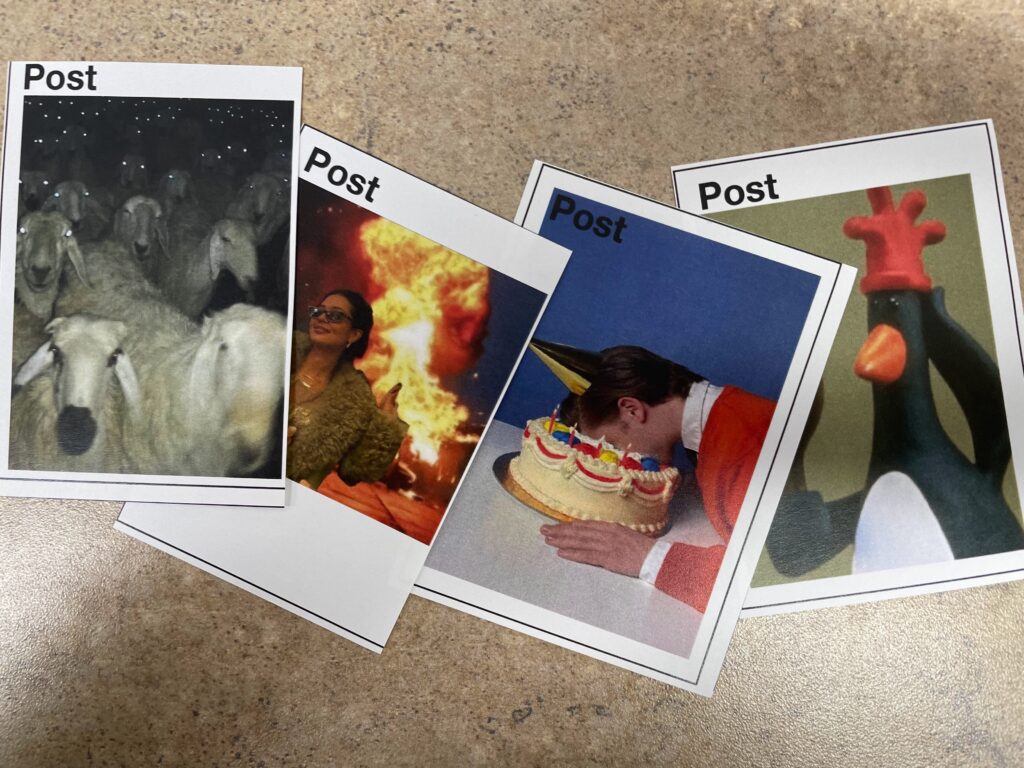
Overall, the game mechanics worked and the post cards were funny. The format of the caption cards makes it incredibly versatile for a wide spectrum of age groups and provides a replayable experience. While I think it could be a fun game with these changes made, I am more interested in moving forward with other prototypes.

Game Rules for Type Test- Colin Kenny

Players create a group chat through text messages or any application they want. The player who spends the most time on their phone is the first prompter. The draw a prompt card from the deck and copy it exactly into the group chat. As soon as the message is sent, all other players race to type and send the exact message back to the group chat. The first to do so end gets the card as a point. If there is an issue, the first message to pop up on the promoters end wins the point. They then become the next prompter. Each player may only send one message per prompt. If they are incorrect, they are disqualified from the round. If no one is correct, the prompter draws another card and repeats the process. The first player to get 4 points wins.

Game Rules for Art Heist- Colin Kenny

How to play Art Heist

For 5 players

SET UP

Place the five decks of cards (paintings around the room, front side facing outwards. At the start of the game each player is assigned a number from 1 to 5. Each player takes a voting card (ace through five) of every value other than theirs. This becomes relevant later.

Then each player draws a roll card. If you draw a king, you are a museum-goer, and are on the innocent team. If you draw the joker, you are the thief.

HOW TO PLAY

The thief must try to inconspicuously “steal” all five paintings by flipping them so that their back side or ‘imitation’ side is facing outward. This game is best played at a party or other crowded social gathering so that players can be easily distracted. If the thief steals all the paintings or 20 minutes has expired, they win!

The museum-goers’ goal is to catch the criminal in the act and get them voted out of the museum. At any point when someone spots a stolen painting (yes, the thief can self report) or someone catches the thief in the act, the timer is paused and all players must gather. They will have two minutes to discuss who they think the thief is. After two minutes have elapsed, the players will vote using their voting cards for the player they think is the thief.

If the voted out player was a museum goer, they are not out of the game and can still vote, but they cannot speak during the discussion periods anymore.