Late Week 7 Response Dillon DeSantis

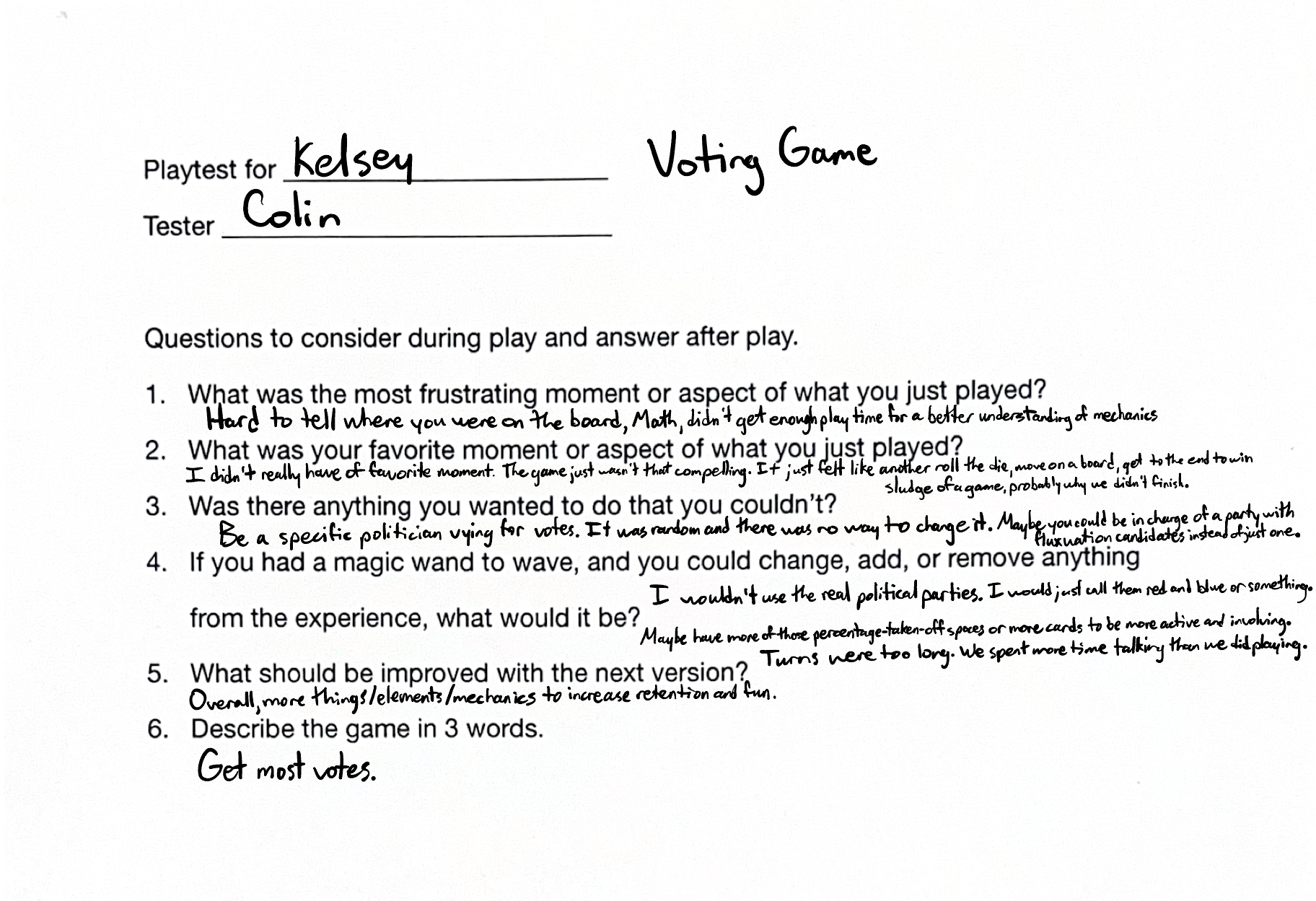
What are the challenges a team faces when working on an educational game?
Designing an educational game involves balancing the goals of different experts. Game designers want fun and interactivity, pedagogy experts care about effective learning, and content experts focus on accuracy. Each discipline speaks its own “language,” which makes collaboration difficult. The biggest challenge is finding a way to meet all these needs without compromising the game’s overall quality or purpose.

In the case study, team members vetoed each other’s game ideas. What were the scientist’s, pedagogy expert’s, and designer’s issues?
The scientist rejected game ideas that didn’t align with real science or used inaccurate information. The pedagogy expert opposed game levels that could block students from accessing educational content and later criticized replayability when it led to uneven learning experiences. Meanwhile, the game designer dismissed ideas from the other two because they didn’t feel like “real games” or lacked compelling gameplay. Each expert was stuck in their own perspective, making it hard to agree on a shared direction.

What did the team learn from playtesting their prototypes?
Playtesting showed that some of their assumptions didn’t match how players actually behaved, as well as led to major changes in the game’s structure, pacing, and content delivery. For example, players weren’t as interested in reading detailed content as expected, so the team simplified and made it more visible. It also helped them see how different player types responded to the game, especially the differences in how male and female players engaged with it.

How does playtesting resolve conflicts among team members?
Playtesting moves the conversation away from theory and into real evidence. Instead of arguing about what might or could work, the team can observe what actually happens when people play the game. It forces team members to confront whether their ideas hold up in practice, and this helps everyone make decisions based on what improves the player’s experience. Ultimately, it shifts focus from individual opinions to shared outcomes.

Kaley Rohanna: Video Crit Notes

Whose film Andrew

Were rules for obstruction followed effectively?

Yes

Favorite Part

The cat in the box

What would you re: edit, shoot, etc?

I think with the obstructions, it was shot pretty well and I wouldn’t change anything.

Was the video paced well? Did any parts feel too long or too short?

It was paced well and didn’t feel long.

Whose film Belle

Were rules for obstruction followed effectively?

Favorite part?

The train track scene

What would you re: edit, shoot, etc?

I would use different music to go with the videos.

Was the video paced well? Did any parts feel too long or too short?

It was paced well.

Whose film Harmony

Were rules for obstruction followed effectively?

Favorite part?

The part when the backpack covered the camera at first

What would you re: edit, shoot, etc?

I liked all the videos.

Was the video paced well? Did any parts feel too long or too short?

I would add more cuts to the orange peeling part just to make it go a little quicker. 

Whose film Meredith 

Were rules for obstruction followed effectively?

Favorite part?

Eating Chick Fil A

What would you re: edit, shoot, etc?

I would keep it the same. The long parts fit with the awkwardness of the silence.

Was the video paced well? Did any parts feel too long or too short?

It was paced well.

Whose film Mikayla

Were rules for obstruction followed effectively?

Favorite part?

Flipping through the papers to show the credits

What would you re: edit, shoot, etc?

I thought it’s very good the way it is.

Was the video paced well? Did any parts feel too long or too short?

The pacing was good, the voiceovers and inner thoughts helped to keep the audience engaged. 

Whose film Daria

Were rules for obstruction followed effectively?

Yes

Favorite part? 

I liked how it was in first person POV when walking.

What would you re: edit, shoot, etc?

I would add more shots of different scenery.

Was the video paced well? Did any parts feel too long or too short?

Some of the parts walking down trails and paths, could be a little shorter.

Whose film Angeline

Were rules for obstruction followed effectively?

Yes 

Favorite part?

I liked the song choice.

What would you re: edit, shoot, etc?

Shorten the cuts between dolls.

Was the video paced well? Did any parts feel too long or too short?

Yes, the changes from doll to doll helped show them communicating with each other.

Whose film Norina

Were rules for obstruction followed effectively?

yes

Favorite part?

The correlation between the drawings and what was acted out.

What would you re: edit, shoot, etc?

I liked everything about it.

Was the video paced well? Did any parts feel too long or too short?

It was paced very well and was entertaining the whole way through.

Whose film Sammy

Were rules for obstruction followed effectively?

Yes 

Favorite part?

I liked the use of plushies in place of the animal obstruction.

What would you re: edit, shoot, etc?

I would get rid of the transitions between shots when going from plushie to plushie. 

Was the video paced well? Did any parts feel too long or too short?

It was well paced, the music gave it a lot of excitement along with the videos. 

Whose film James

Were rules for obstruction followed effectively?

Yes 

Favorite part?

The little men WWE wrestling

What would you re: edit, shoot, etc?

I would shorten the video lengths and add a few more performances.

Was the video paced well? Did any parts feel too long or too short?

The videos were a little long.

Kaley Rohanna: Light Show Experiment

Using a phone flashlight, paper towel roll, and various materials to cover one end of the roll, I experimented with how objects interact with light and how those interactions affect an audience’s experience. The light was projected onto the ceiling. The materials that changed the light the most created the biggest reactions out of the viewers. Neither myself or the two friends who were watching had seen the light interactions beforehand, and while I expected the light to change, I did not anticipate it to change as drastically as some did. It created a few interesting visual effects that were surprising.  

Having audio of the live reactions helped to convey what it was like. My friend can even  be heard saying at one point, “It looks better in person.” It also allows those watching the video to be immersed with the original audience and brings them into the time when we were experiencing it. Even though the reactions are already recorded and can’t directly be interacted with, you can still watch the light show with them and compare your experience. 

Ideas for a Text-Based Choose-Your-Own-Adventure Game

Ideas 

  • Saying goodbye during a long distance relationship. Have scenes that are fun and light-heartened and then there is just an emptiness 
  • Having a relationship but you are having anxiety but you can’t always talk; you need someone to talk to but you just feel so alone despite being in a committed relationship 

Daily anxieties | (Title: Rabbit Holes??)

Excuse the word vomit. I’m likely going with this idea and I’m going to use these concepts. The game is supposed to feel sporadic and chaotic, imitating how overwhelming it can feel to have some of these thoughts and not being able to suppress them. This chaos of this list imitates how I want the game to feel lol

  • Checking someone’s location. Not knowing where they are. Assuming they’re dead
    • Check facebook to see if there was a car crash. Check their friends’ locations. Check their families facebooks.
  • Someone hasn’t responded in a while
    • They hate me 
    • Or they died and I don’t know it 
  • What if my grandma died and I just don’t know it because I have been so busy lately? It wouldn’t be the first time it happened
  • What if my boyfriend secretly hates me
    • He doesn’t want kids but maybe it’s just because he doesn’t want kids with ME and he thinks I would be a bad mother. It would be a different story if he was with someone else 
    • What if I have been tricked this whole time and he has a whole different life with a whole other person
  • Driving
    • Road is closed
    • What if I accidentally hit someone
      • What if I hit someone and I don’t even know about it 
    • What if I’m driving down the wrong side of the road 
    • Thinking about if I am supposed to be in class right now? Have I forgotten about class the whole semester and didn’t realize it until now
      • I’m going to fail if so 
    • Feeling like I am going run into the guard rails and walls 
    • Seeing roadkill
      • Trying not to run it over 
      • Close your eyes 
    • What happens if I get pulled over?
      • Idk what to do 
      • Do I run away 
    • Hitting a pothole
    • What do I do if there is an ambulance coming down the road??
    • What happens if a trail derails right now 
    • What happens if I get stuck on the train tracks, what do I do?
    • What do I do if I witness an accident?
  • School
    • What if my professors hate me and I’m gonna fail
      • I’m probably failing right now
      • They haven’t emailed me back do they think I’m stupid or hate me 
      • I’m I even going to be able to finish this assignment
      • What if i don’t graduate on time 
    • What if there is no parking when I get to Wheatley?
      • I’ll have to go back home 
      • I’m gonna miss class
    • What if I choke
      • I’ll die and People are going to make fun of me, that’s so embarrassing. 
      • Someone is going to rescue me and that is even more embarrassing. I’ll have to live with that for the rest of my life.
    • What if I forgot to put deodorant on 
    • What if I forgot to unplug my straightener 
    • What if my plants are dying because my air conditioning got way too cold 
    • What if I forgot to brush my hair and the back of my head looks like a tangled rats nest 
    • What if someone parked me in at school and I can’t get out 
    • What if I left my creamer out on the counter and it’s gonna get all smelly and I’m gonna have to through it all away 
    • What if the CAs decide to do a surprise room check and my room and they are going to kick me out because it’s so messy
    • What if I smell bad and no one wants to tell me?

Finals Week Game Reviews

A Review of Game Design 2

  • Was it fun? Yes, probably one of my favorite classes. 
  • What were the player interactions? Commenting on each other’s posts, playtesting each other’s games, providing game feedback, playing games together, etc. 
  • How long did it take to learn? Somedays I feel like I am still learning things about the points and the rules, but overall, not very long because the point system is fairly simple. I still feel like I don’t understand the multipliers though. 
  • Would you play it again? Yes, but please don’t fail me. 
  • What is the game’s metaphor and which of the game’s mechanics standout? The game’s metaphor is that game design is structured like a game to learn the principles of a game. If it has a rule set, it’s a game. I really like the character sheets and the multipliers.  
  • What was the most frustrating moment or aspect of what you just played? I think I just needed more motivation to really focus on making a solid game. Because you can get points from so many different things like commenting, posting reviews, and coming up with game ideas, I felt less motivated to spend a lot of time making a game, but that is also partially because I have been so busy this semester. I essentially wish I had more drive and time to make a really good game, but that isn’t necessarily game design’s fault. 
  • What was your favorite moment or aspect of what you just played? Everything!!!!
  • Was there anything you wanted to do that you couldn’t? Not that I can think of
  • If you had a magic wand to wave, and you could change, add, or remove anything from the experience, what would it be? I think it would be nice to somehow incentivize the competition a little bit more. I think last semester was a lot more competitive in terms of the leaderboard and that made it really fun. This semester, it kind of feels like everyone is just in survival mode and doing what they can, not caring where they end up. 
  • What should be improved with the next version? Refinements to the multipliers, and maybe more restrictions on the hidden achievements. I honestly hated trying to keep track of my own hidden achievements because it just became a lot on top of everything else 
  • What was the game’s message? If you have a set of rules, it can be a game. 
  • Describe the game in 3 words. Fun, educational, going-to-miss-it-ngl

Evan’s Cracking Jokes Game Version 2

I’m really glad that the glowsticks were switched out for the clickers!

  • Was it fun? Yes, but to be completely honest, the second version wasn’t as fun as the first one. I do like the new clickers though. 
  • What were the player interactions? Reacting to each other’s jokes by moving the noise maker clicker thing
  • How long did it take to learn? I got this game almost instantly 
  • Would you play it again? Yes I would 
  • What is the game’s metaphor and which of the game’s mechanics standout? I’m honestly not sure what the metaphor is, but the standout mechanic for me is using the clicker to react to other player’s jokes
  • What was the most frustrating moment or aspect of what you just played? Not being able to come up with a joke. The categories were almost a little too vague for me. I know that Evan doesn’t want it to become like Cards against Humanity with the kind of prompts, but I think more specific prompts can help people come up with jokes. 
  • What was your favorite moment or aspect of what you just played? I really enjoyed spinning the clicker thingy. 
  • Was there anything you wanted to do that you couldn’t? I wanted to be able to steal other people’s points if they couldn’t come up with a joke or the one that I tell in addition to their joke is funnier. 
  •  If you had a magic wand to wave, and you could change, add, or remove anything from the experience, what would it be? Make it easier for players to come up with jokes 
  • What should be improved with the next version? I would revise the points system. I think that people should be rewarded if they get more people to laugh. Maybe 1 point per person who clicked the spinner? I would also like to see if players are able to steal points from other players. Also, I would love for you to bring back the old joke categories that everyone helped come up with. I had a much easier time coming up with jokes for those cards. To avoid people being like “I don’t like this one, IDK”, you could have people draw 2 cards and pick their favorite category from those 2 cards. 
  • Describe the game in 3 words. Comedy, satisfying clicker

Horrible Therapist

  • Was it fun? Yes! 
  • What were the player interactions? Responding to the problems at the therapist and deciding what cards were the funniest or the most fitting
  • How long did it take to learn? This game was a pretty instant learning experience
  • Would you play it again? Absolutely, and I better! 
  • What is the game’s metaphor and which of the game’s mechanics standout? You are a bad therapist and you have to help people’s absurd problems. I really liked that you were almost building a comic strip. 
  • What was the most frustrating moment or aspect of what you just played? Reading some questionable cards in front of Professor Ames
  • What was your favorite moment or aspect of what you just played? Being very good at it lol
  • Was there anything you wanted to do that you couldn’t? Not that I can think of!
  • What should be improved with the next version? It would be funny to have some improv or recreations of some of these scenes for immersive gameplay 
  • Describe the game in 3 words. Fun, shocking, wow! 

Trial by Trolly 

  • Was it fun? Yes, I really enjoyed this game! 
  • What were the player interactions? Players had to try to “one” up each other by making the other team’s track seem worse so that the conductor would run over them instead. You also had to try to convince the conductor to not run you over so there was a lot of verbal manipulation as well. 
  • How long did it take to learn? This game’s rules and mechanics were simple to learn, but I kept getting hung up on if I wanted the cards to be the “worst” or the “best” since some of the cards were placed on our own track and others on the other players’. That might just be a me problem though. 
  • Would you play it again? Yes, I would! I think I would have a good time playing this with a group of friends. 
  • What is the game’s metaphor and which of the game’s mechanics standout? The game’s metaphor is about the trolley problem, where you have to debate the moral dilemma of running over the people on one train track. A metaphor I really liked was that the player teams changed every round. 
  • What was the most frustrating moment or aspect of what you just played? I kind of wish we could have mixed the teams up a little bit better, because even though you had a different team almost every round, I never got to be on the same team as Sara. 
  • What was your favorite moment or aspect of what you just played? The cards were very funny and I enjoyed debating on which ones to choose. 
  •  If you had a magic wand to wave, and you could change, add, or remove anything from the experience, what would it be? I want there to be a physical train to run over the people!!
  • What should be improved with the next version? Physical train, maybe better ways of shuffling the player teams?
  • What was the game’s message? Can’t always please everyone (not really but that’s what I got out of it)
  • Describe the game in 3 words. Absurd, funny, different 

Gris Review and Notes

From games for change:

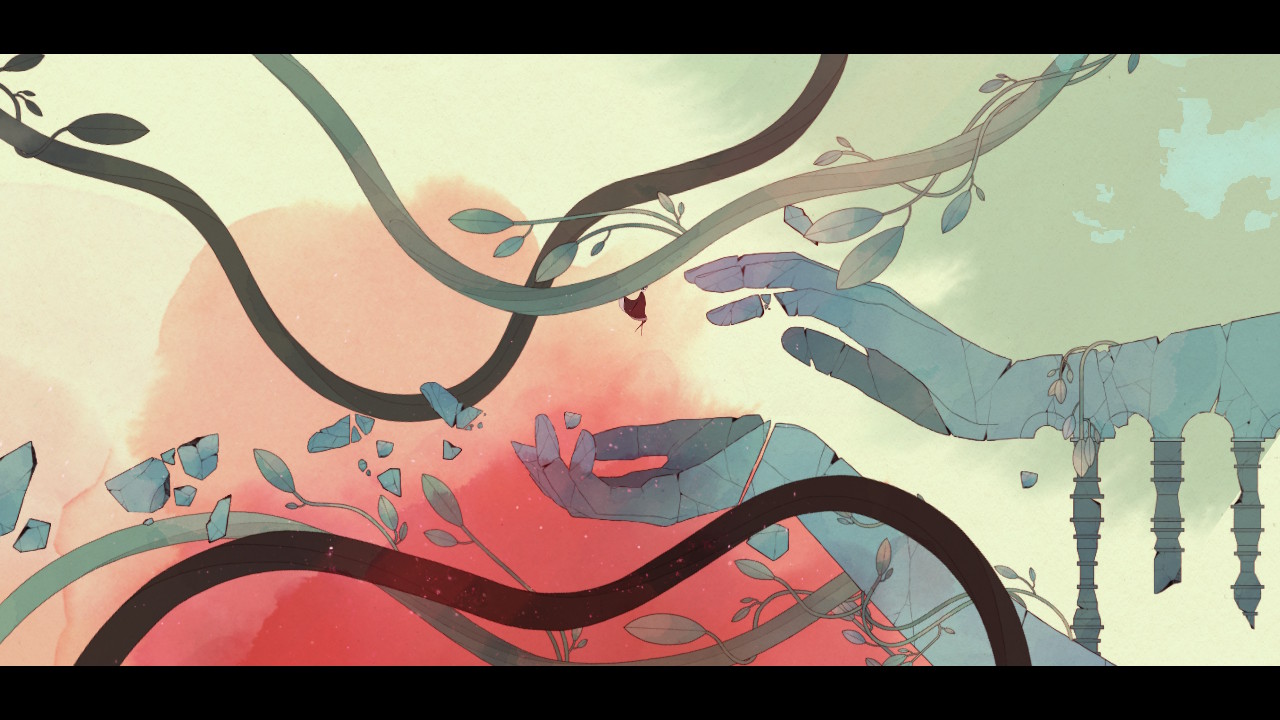
“Gris is a hopeful young girl lost in her own world, dealing with a painful experience in her life. Her journey through sorrow is manifested in her dress, which grants new abilities to better navigate her faded reality. Gris will grow emotionally and see her world in a different way.

GRIS is a serene and evocative experience, free of danger, frustration, or death. Players will explore a meticulously designed world brought to life with delicate art, detailed animation, and an elegant original score. Through the game light puzzles, platforming sequences, and optional skill-based challenges will reveal themselves as more of Gris’s world becomes accessible.”

Notes from online

  • Gris = grey in French or Spanish 
  • Colors represent the stages of grief
    • Denial – grey 
    • Anger – red 
    • Bargaining – green 
    • Depression – blue 
    • Acceptance – yellow 

Review

  • Was it fun? Yes! I love puzzle platformer games like this and it was super easy to become immersed in the gameplay. 
  • What were the player interactions? While you don’t interact with other players, your character is able to interact with various objects which are integral to completing the puzzles. I especially enjoyed interacting with the little cute creatures in the forest. 
  • How long did it take to learn? The mechanics of this game were super easy and quick to learn, but I think it would have been different had I played on a different platform. Based on the demo we played during class, the tablet version seems a lot harder to control the girl, which makes sense for the game. On the Switch, I had no issue moving her. 
  • Would you play it again? Absolutely, I haven’t finished the game yet, but even when I do complete all of the main objectives I can already see myself going back to complete some of the smaller puzzles and challenges that I missed along the way. 
  • What is the game’s metaphor and which of the game’s mechanics standout? The game is about a girl that is going through the process of grief. The game starts out with little to no color and no character abilities, but as you progress through the game you unlock more colors and abilities. Each of the colors is representative of the stages of grief, and that is one of the standouts for me. The fact that the character abilities that you unlock are representative of that specific stage of grief and the things that you experience during it, it is so beautifully poetic. 
  • What was the most frustrating moment or aspect of what you just played? Once you get past a certain point, you can’t go back to the area you were just at. For instance, I was exploring the world a little bit before completing one of the puzzle challenges, but then I fell down a big hole and couldn’t return to finish that puzzle. As a completionist, I was not very happy about this, but I respect why the game developers chose to do that. I read online that I can revisit this at the end of the game so at least there’s that. 
  • What was your favorite moment or aspect of what you just played? Honestly, everything. The game so cohesively goes together. The soundtrack and the visuals make the game such an immersive experience and at times it is very emotionally moving. The game doesn’t have any words that tell you about the process of grief, but you are able to feel it in your soul. 
  • Was there anything you wanted to do that you couldn’t? I wanted to go back and finish those earlier challenges!
  • If you had a magic wand to wave, and you could change, add, or remove anything from the experience, what would it be? Absolutely nothing! 
  • What was the game’s message? The game is about a girl who is navigating through the process of grief and sorrow
  • Describe the game in 3 words. Beautiful, moving, breathtaking 

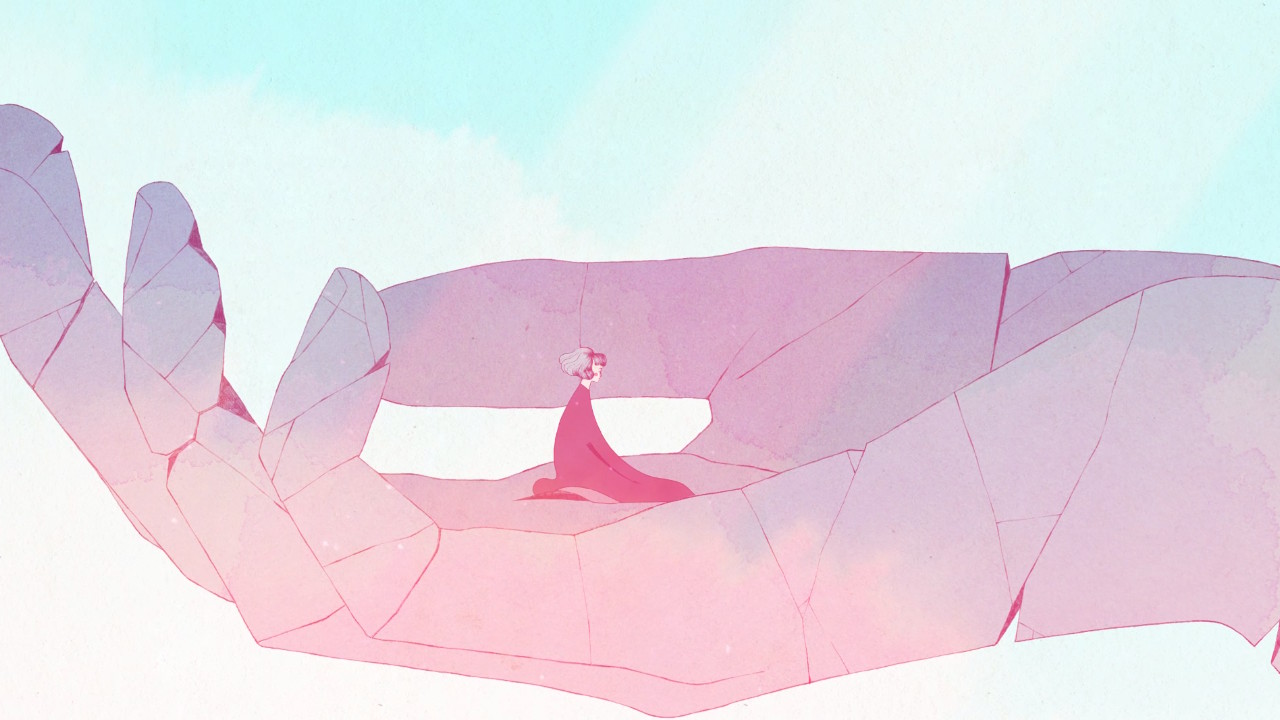
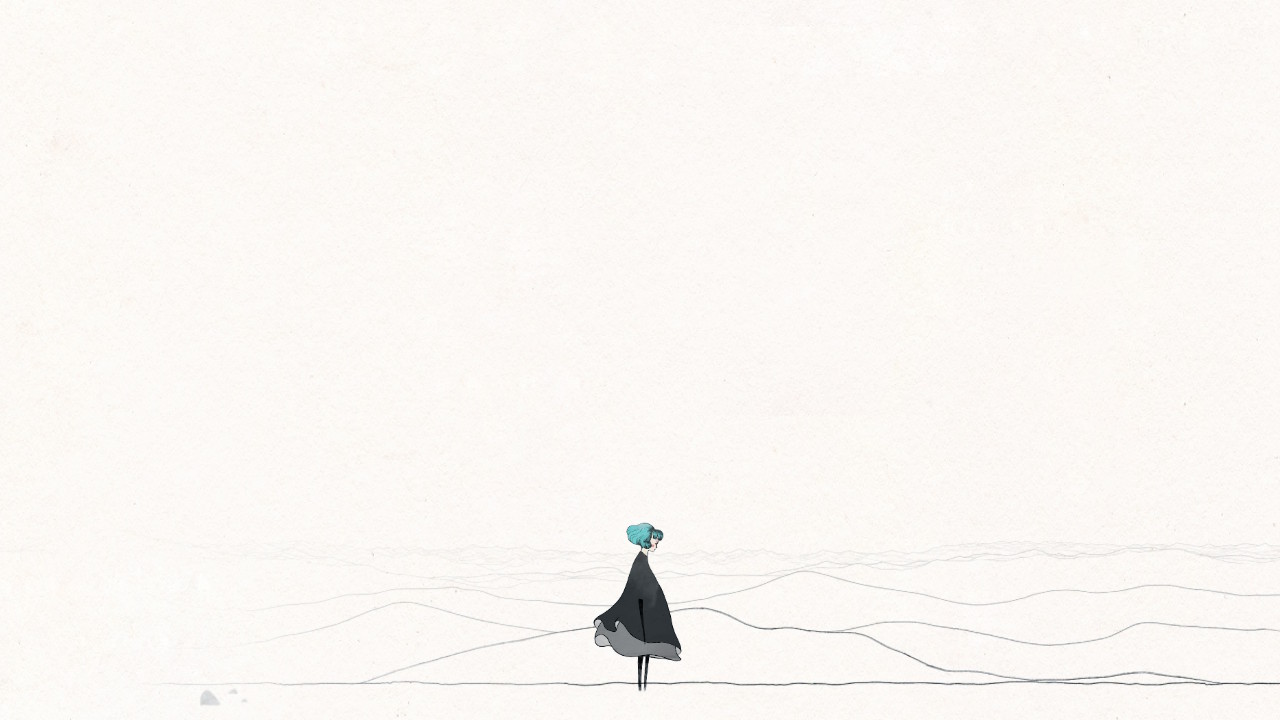
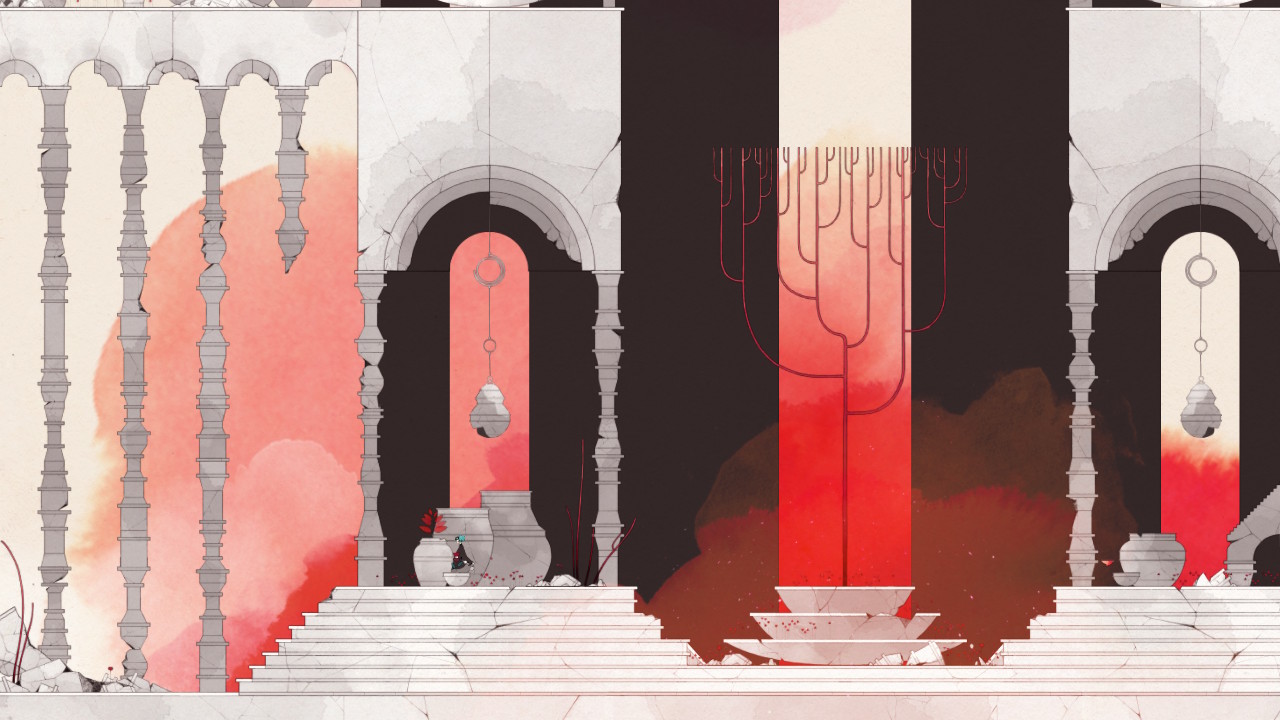
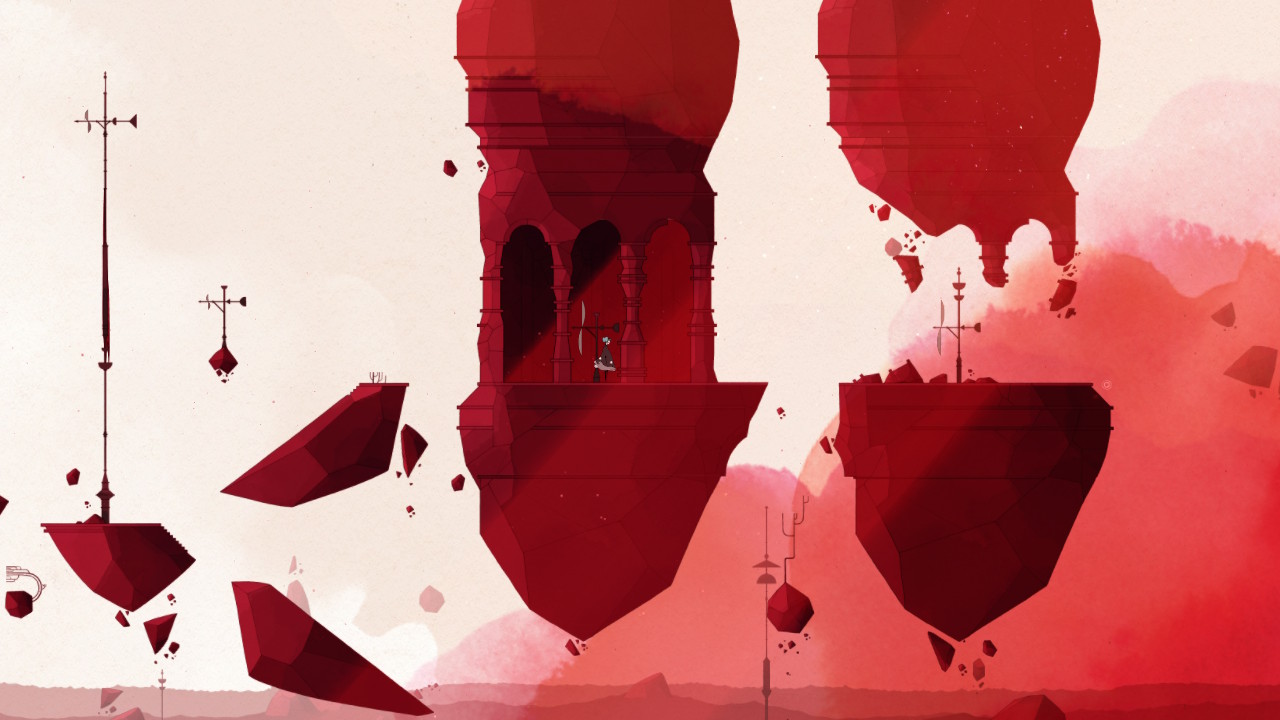
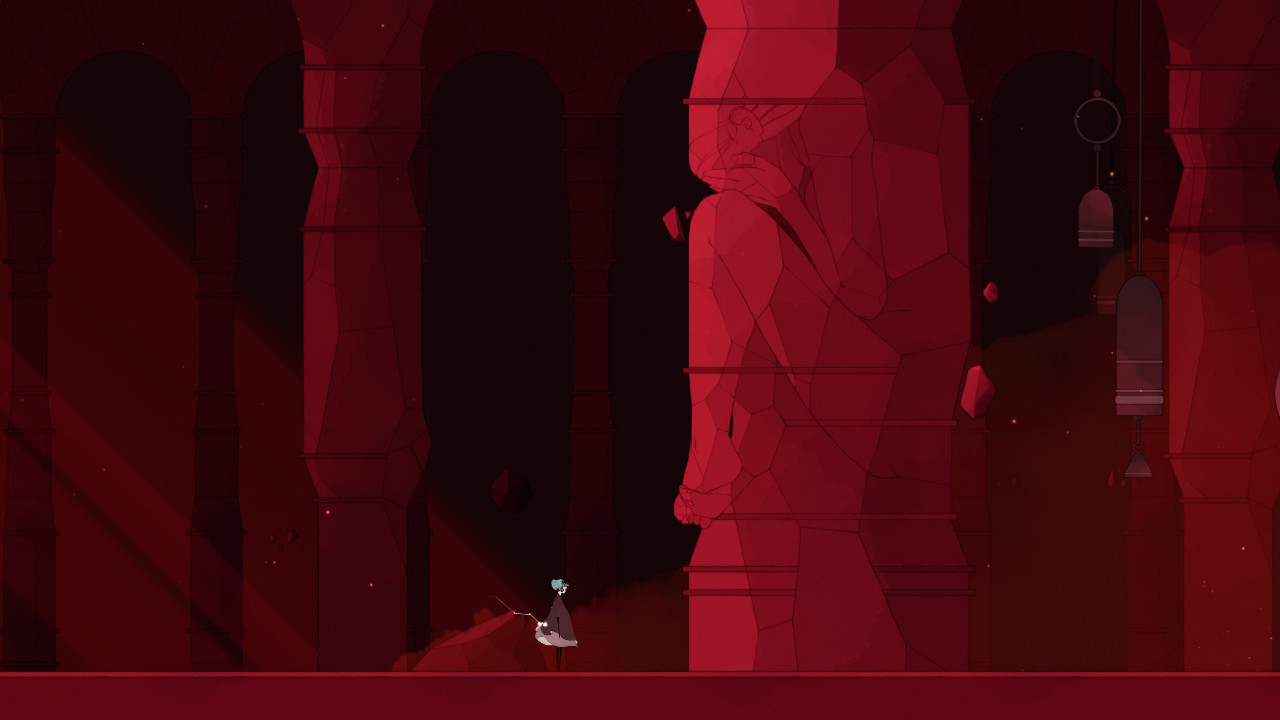
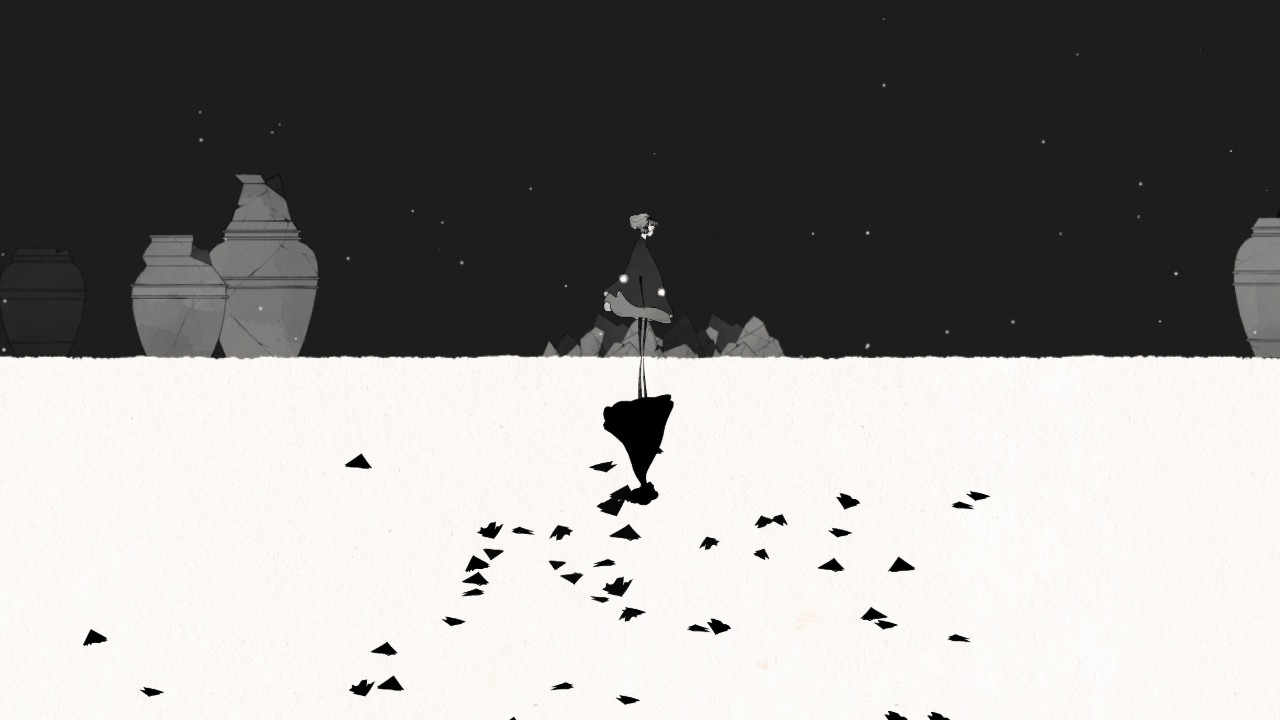
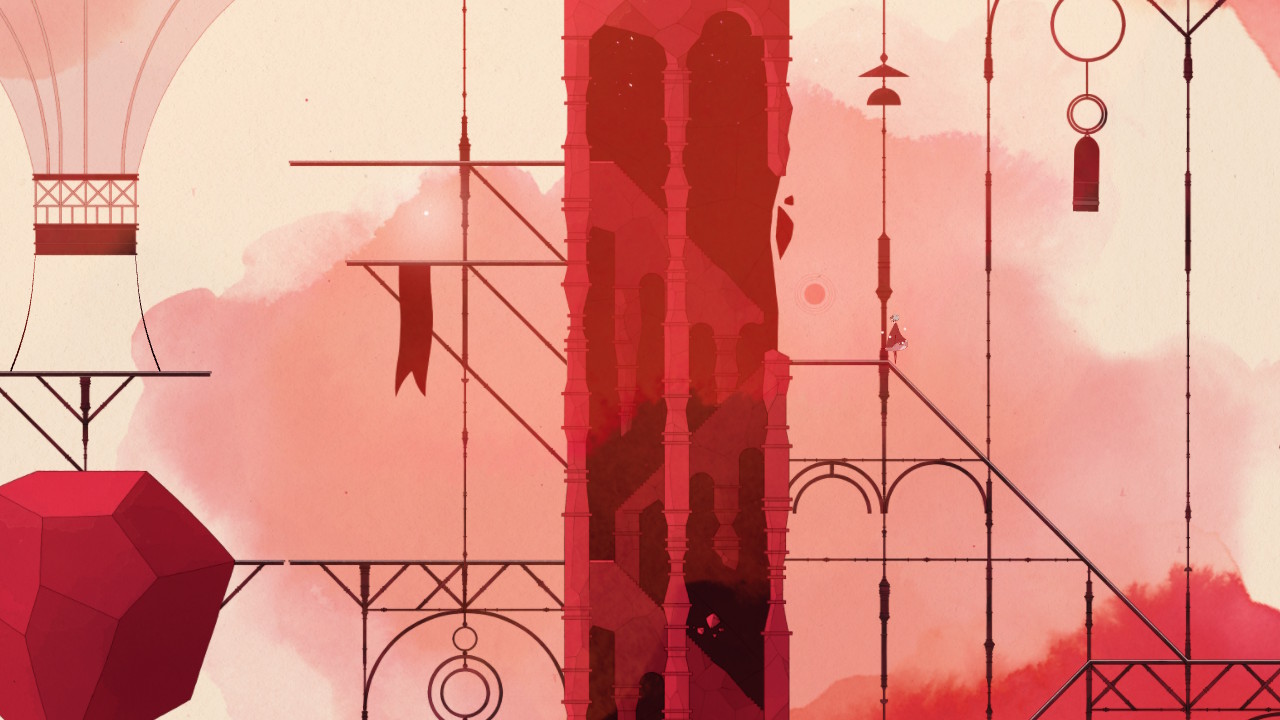
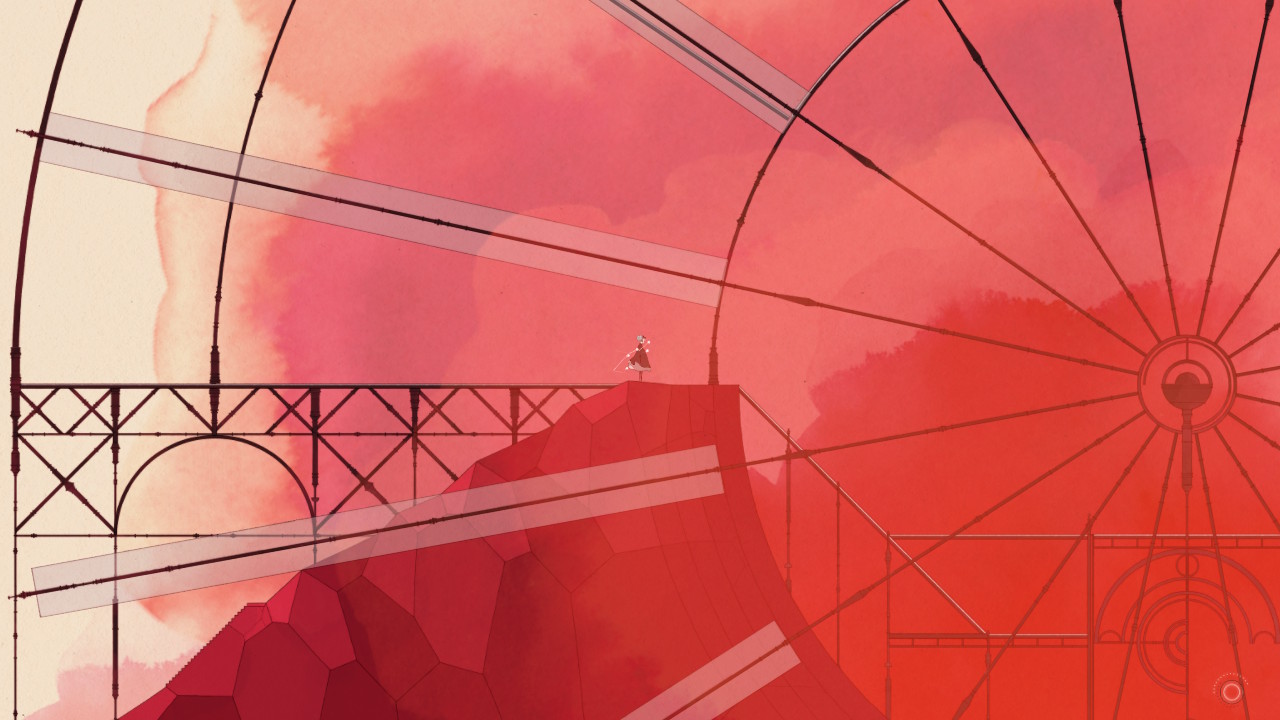
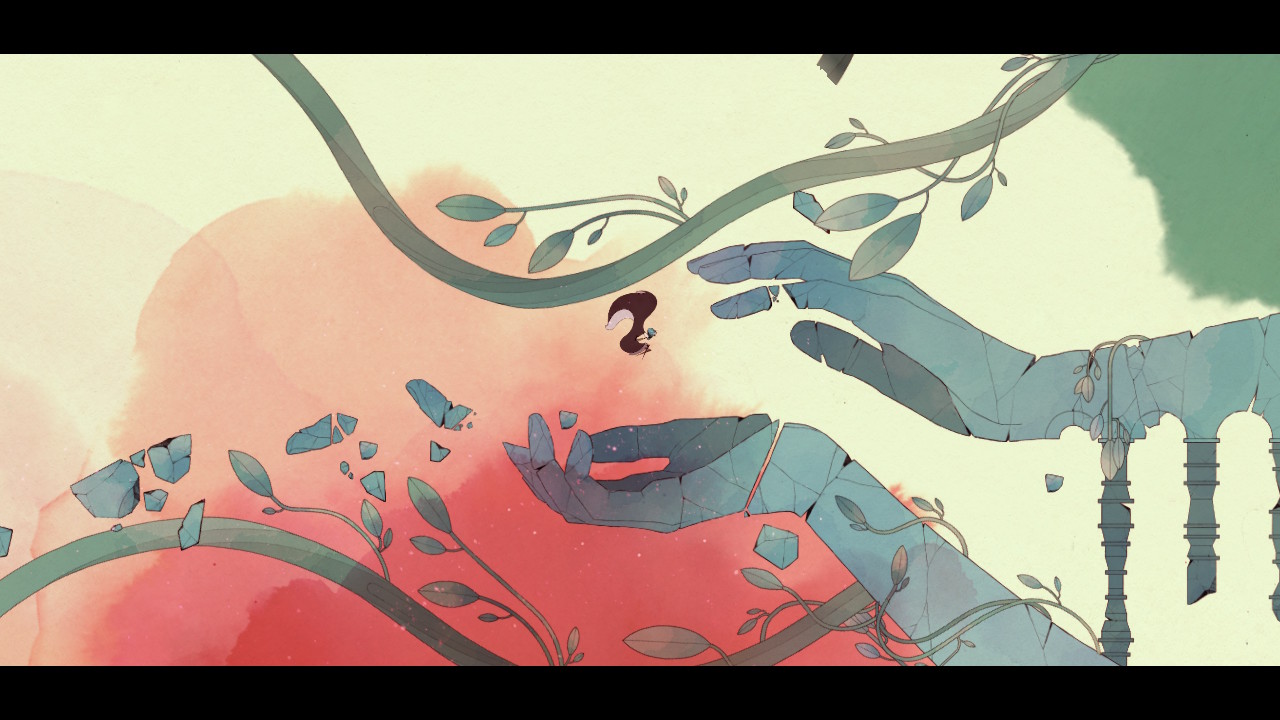
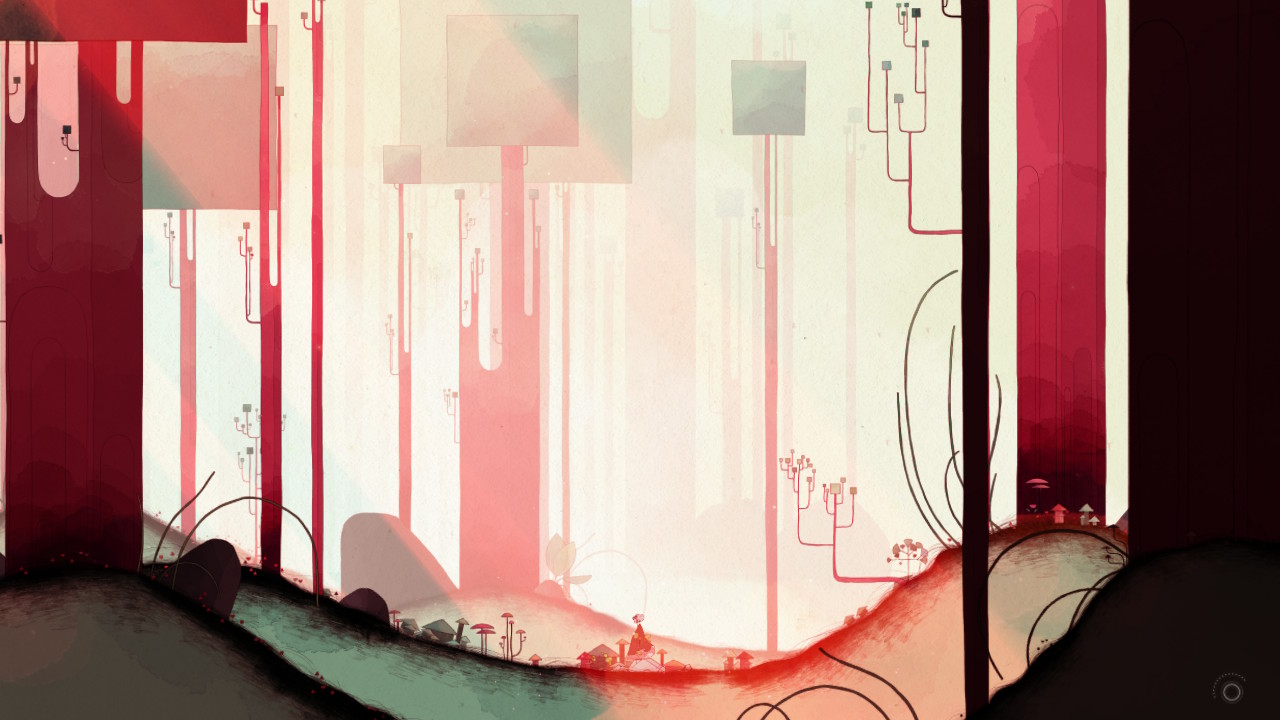
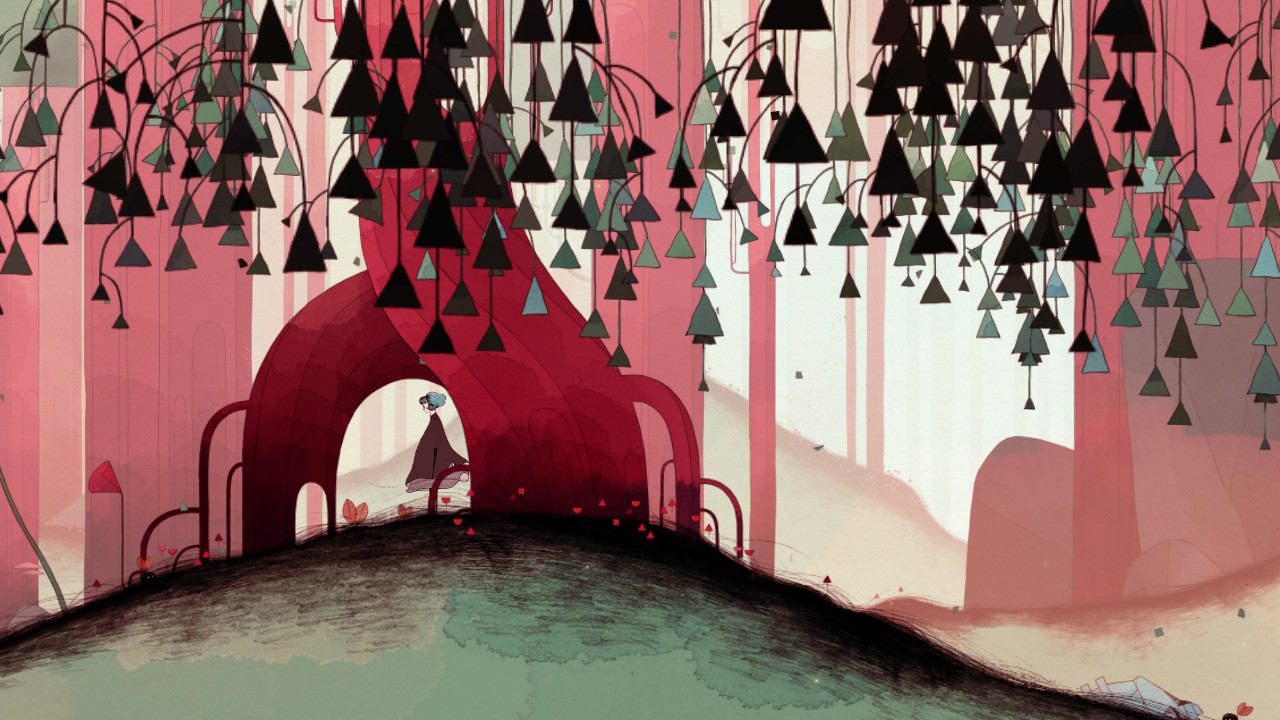
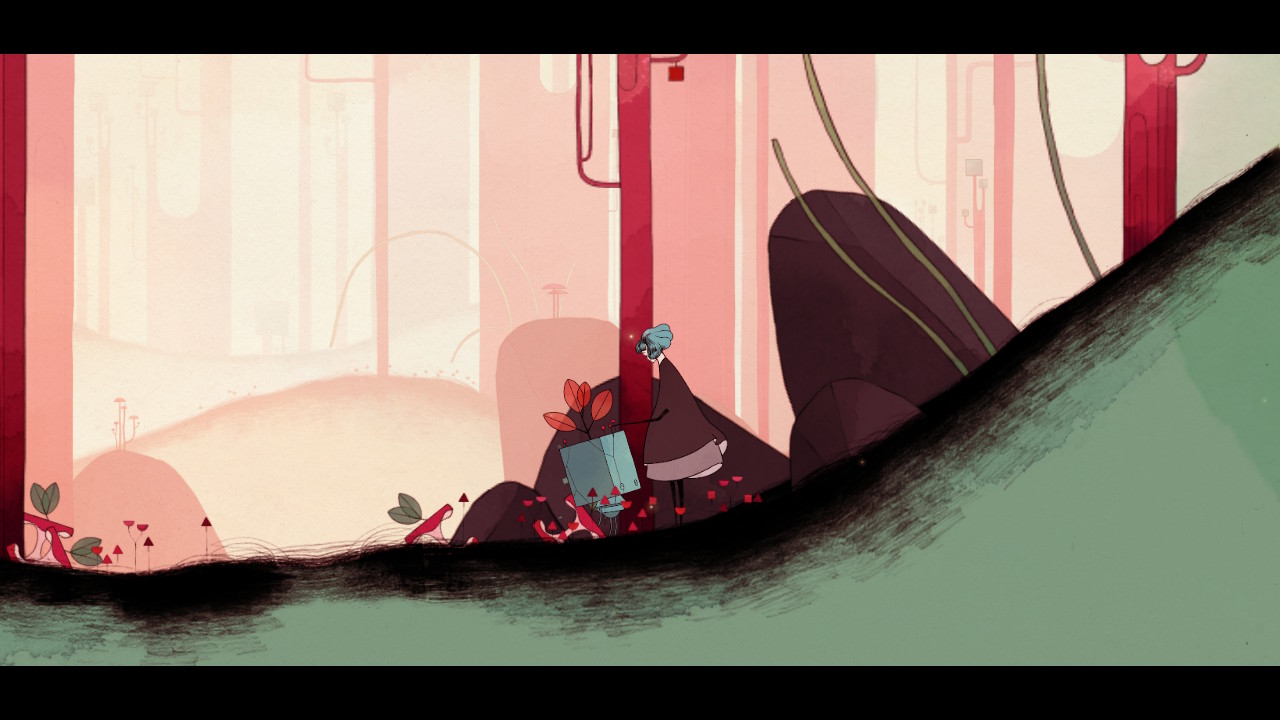
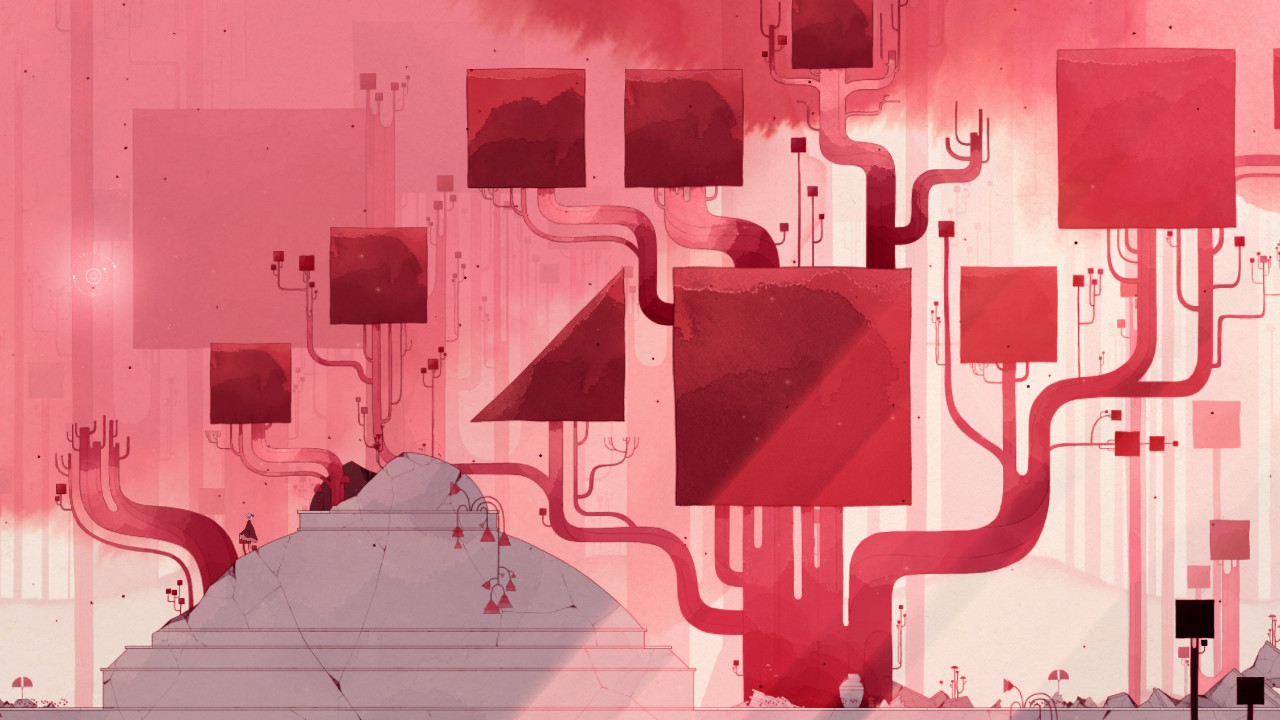
Also here is a gallery of screenshots I took, just because it is so pretty and I need to share:

Sara Estus – Don’t Judge a Book by its Cover – The Game

CASE STUDY~ Please check out my first post about this game, where I go over the drawing process if you’re interested!

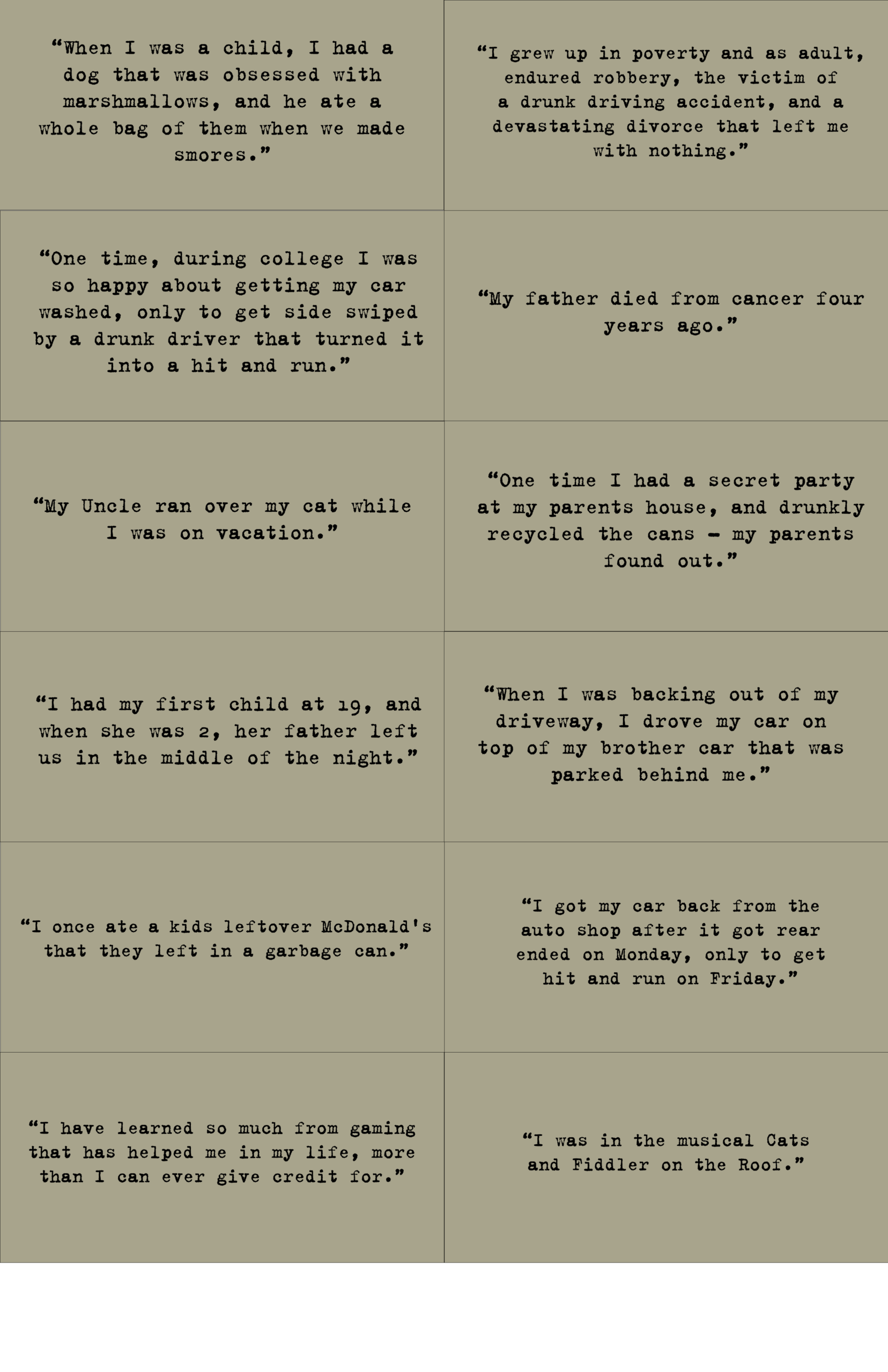
Summary: The game, “Don’t Judge a Book by its Cover” is about assumptions, and basing judgments on people based on a picture of them. The game has over 20 different people, with a variety of different statements based on an event or experience a person has dealt with in their life. These statements can be humorous, sad, or surprising. 

Primary Audience: The primary audience is generally people over the age of 15 as some of the cards are more serious topics that a younger audience may not fully understand the weight of. 

Design and Thought Process

Iterative Design: 

Basic Idea: Based on the idea of finding an old book, and judging its contents based on the old, worn cover. The character cards are based on Polaroids in black and white, to also “age” the design concept. More people were added through the versions, and new statements were used, but the design stayed consistent with the versions. 

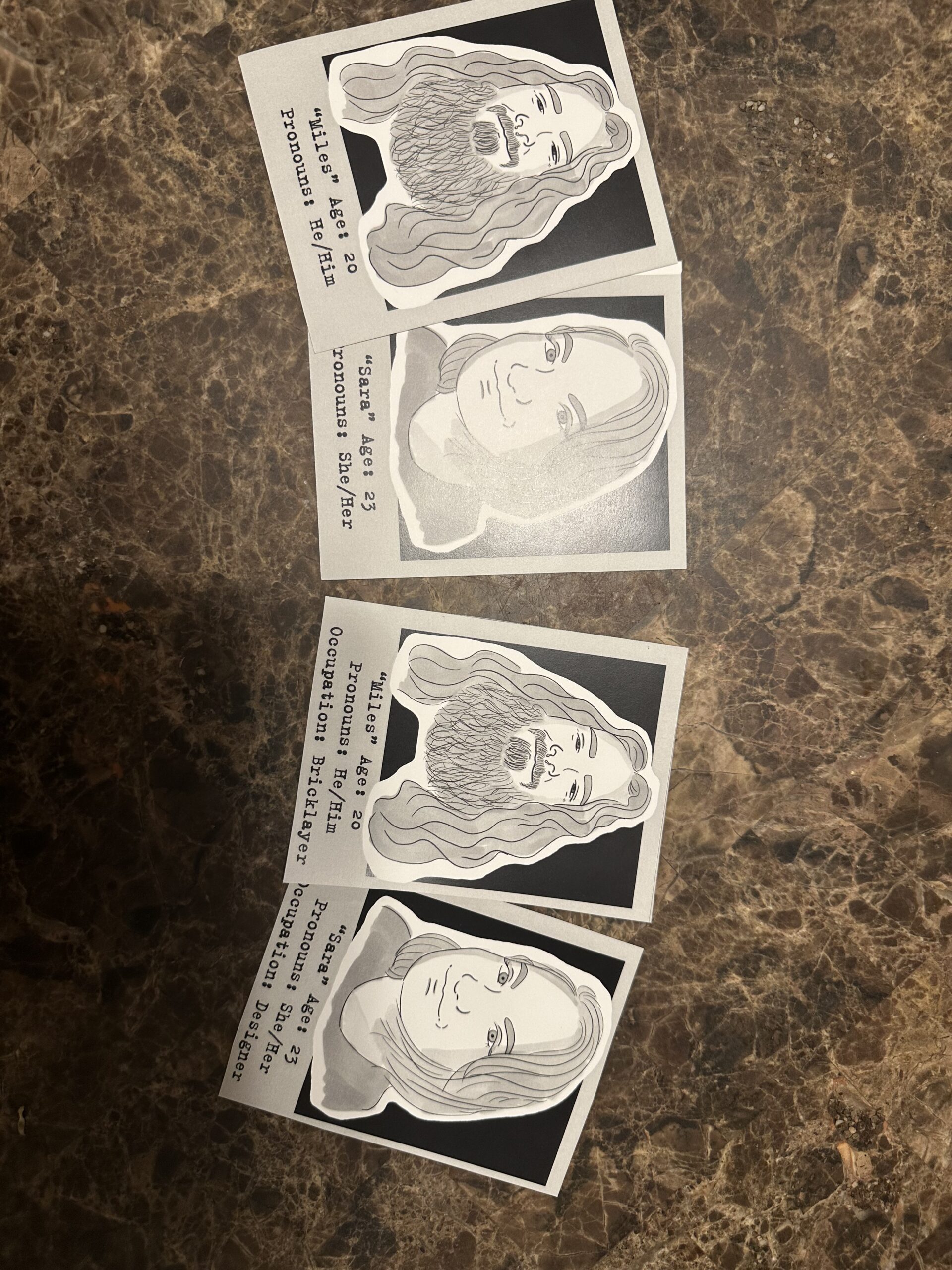
Version 1 Design: The statement cards are an old yellow parchment style, and the font is comparable to typewritten. I wanted the impression when seeing the game for the first time to be “This looks old, and like a crime scene game.” The character cards are loosely based on the standard style of a Polaroid photo, as it gives some room for the character’s names, age, and pronouns. For the rules sheet, I used the same yellow and carried the same typewritten font over.

The Polaroid Cards above are the Version 1 (Left) and Version 2 (Right 2) designs for the cards.

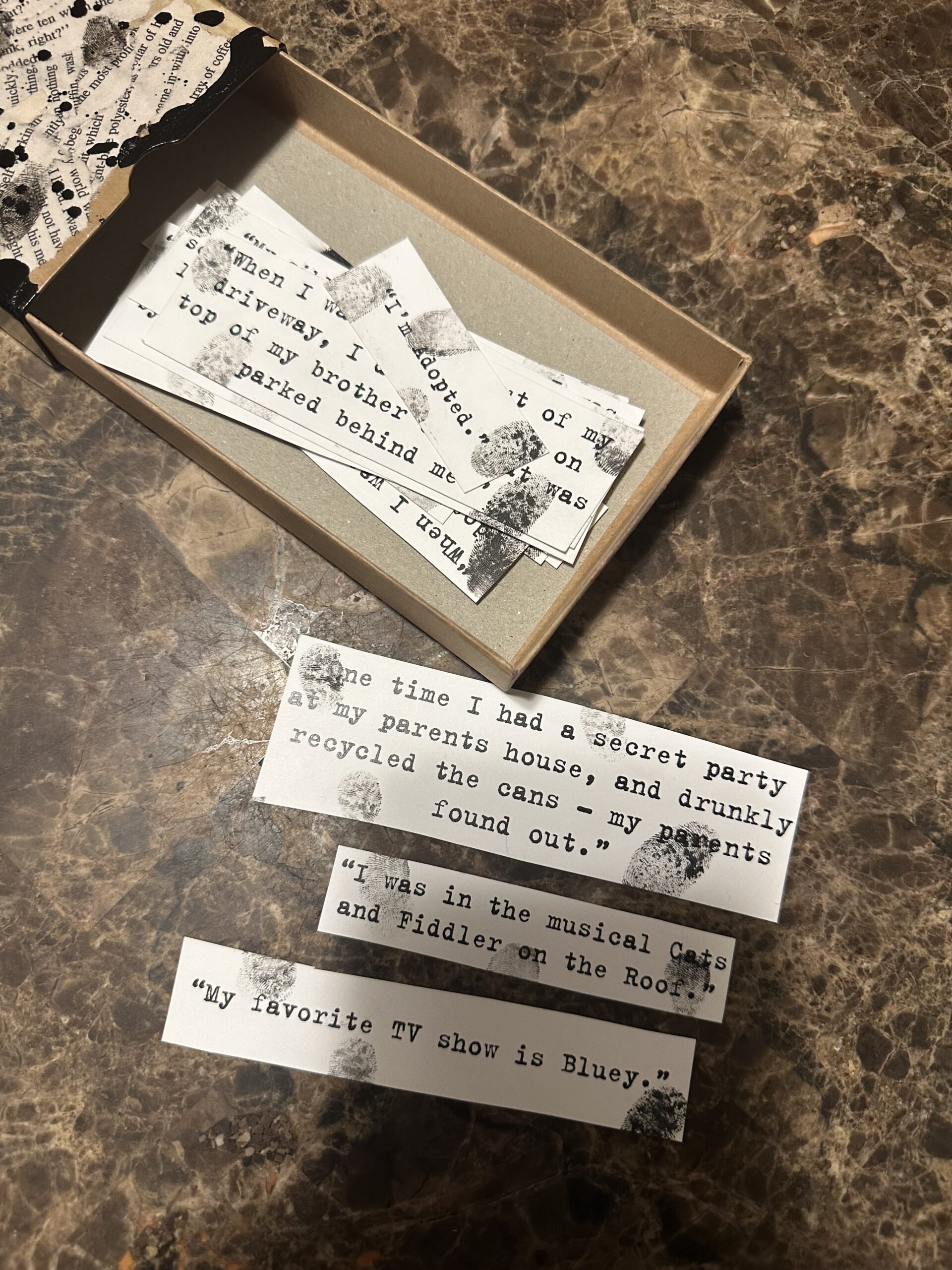
Above: Some examples of the Statement Cards from Version 1

Version 2 Design: I chose to stick to the same design concept but added a few more details and styling to the second version. For the Polaroid character cards, the art style was consistent, but I added an “Occupation” to the cards as I noticed many players were spending a lot of time using the age of the character to match rather than any other detail. It makes the game a bit easier, but it also shows how much players are paying attention. 

For the statement cards, I decided to make them more like slips of paper, due to a happy accident of the yellow coloring I used before not printing correctly. (I didn’t want to waste any paper) So I ended up cutting the cards down just to have the words fit, and used stamping ink to apply my own thumb prints on the paper’s design. 

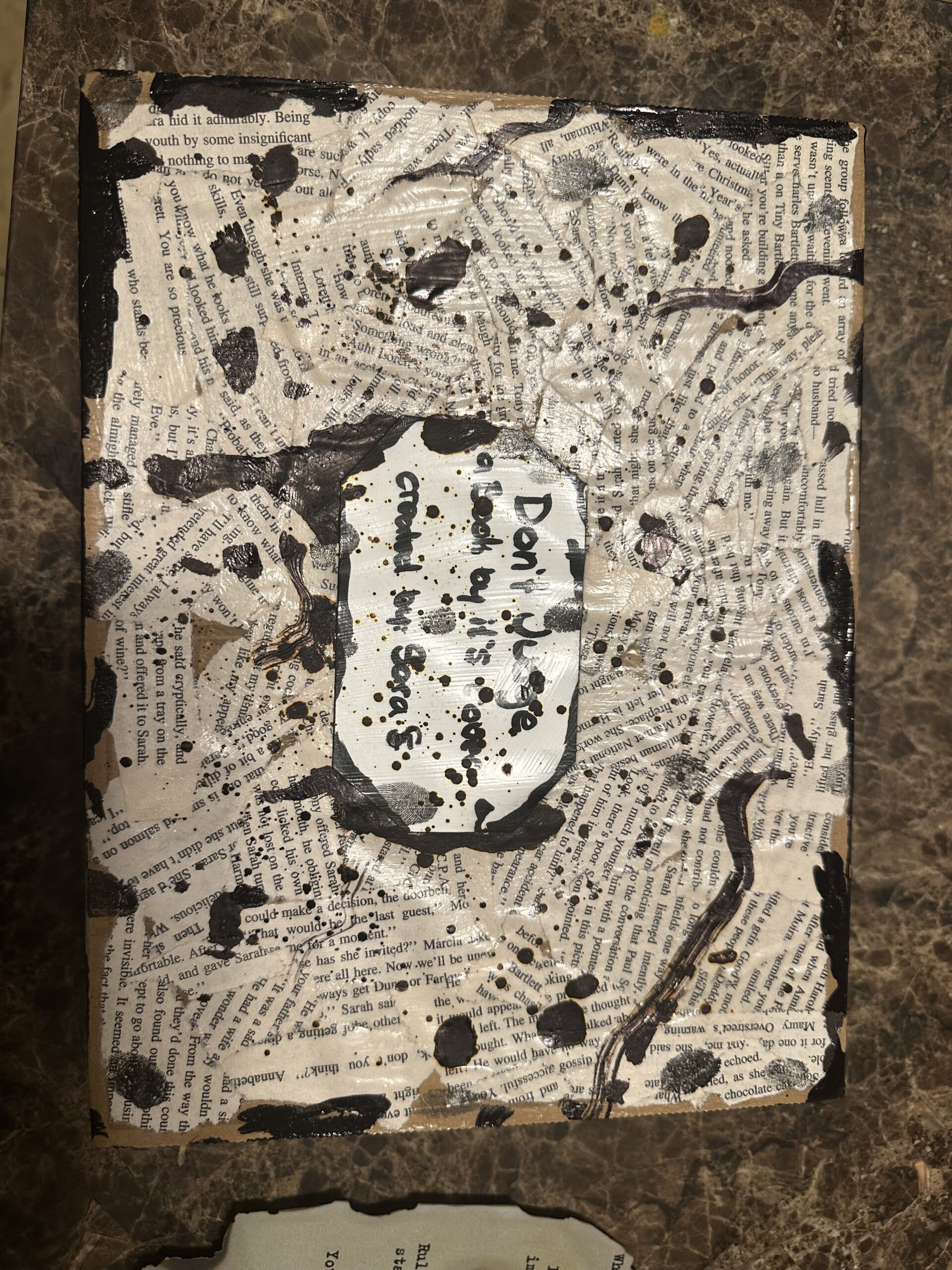
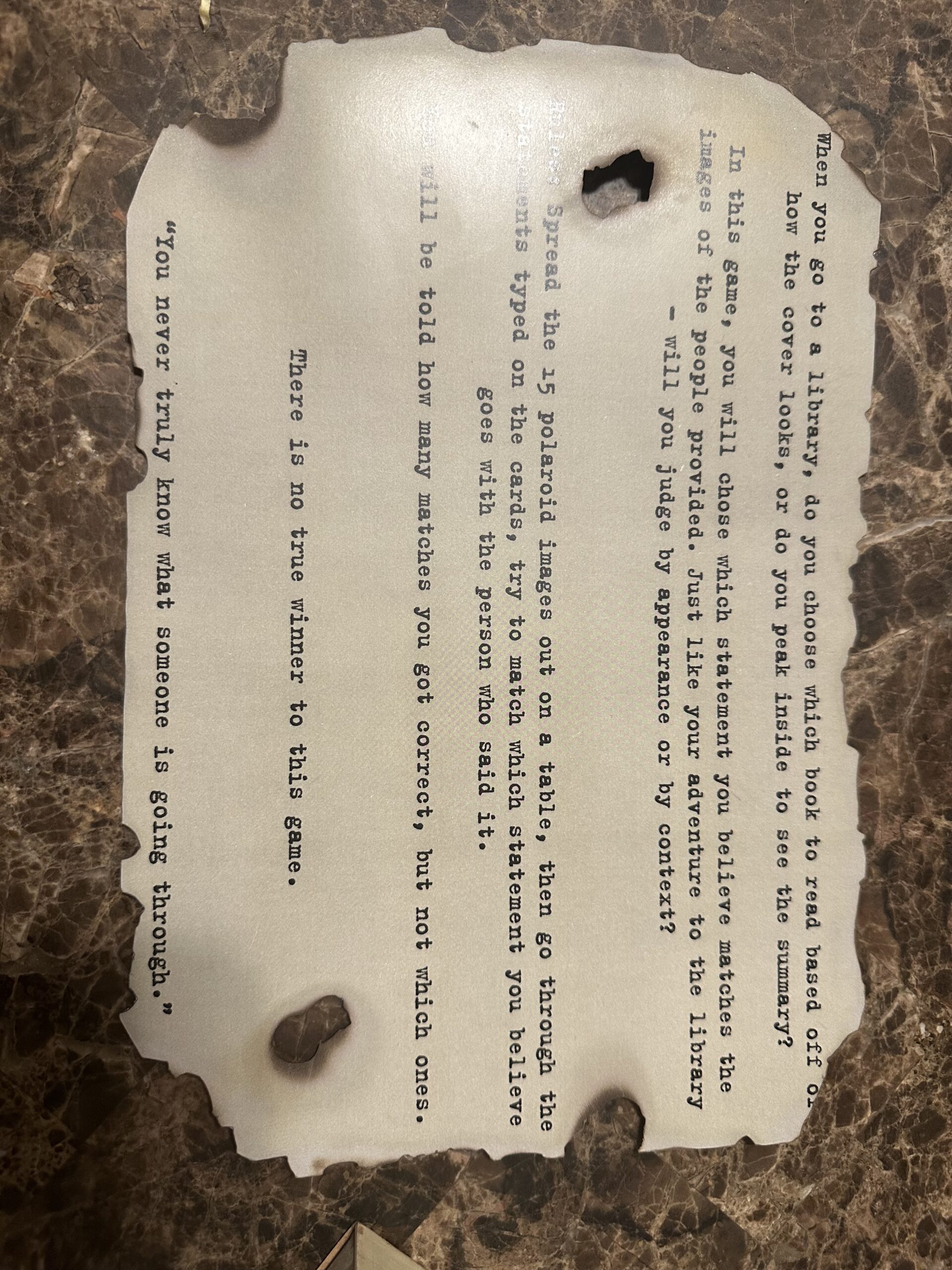
I did design to include a box, and I had two other smaller boxes I used as well (I recycled!) To make the boxes have consistency and style, I painted the parts of the boxes that were printed on with posca pens and brown acrylic paint to age it. Then I used an old pile of book pages and applied modge podge to the paper and box (Think like paper mache) and used lots of alcohol ink and the same stamp ink to apply my finger prints. For the rules paper, I reused the same page as before, but I CAREFULLY, used a lighter torch and burned the edges. 

Game Mechanics: The game was intended to be super simple, spread the character cards out, and then the statement cards out in a different area on a table. Then, carefully read each character card and observe their name, age, pronoun, and occupation, while also observing what they look like. Then read the statements aloud, and decide who fits what statement, based on the content of the statement itself, or the information provided on the character cards. After each statement has been matched with a person, the game master (Me) will check and take away the ones that are correct. The game continues until all cards have been matched correctly. 

Player Goals: Understand the concepts of judging others based on appearance, and little information given about them – you never truly know what someone is going through.

Gameplay Sequence: Place all the character cards out, and then all the statement cards, observe and read/look at all the cards. Try to match the correct cards with the people, repeat until all cards are matched.

Game Board and Components: 

Version 1: The game contains 15 Polaroid Cards, 15 Statement Cards, as well as a rule set.

Version 2: The game contains 18 Polaroid Cards, 18 Statement Cards, as well as a rule set, two small boxes labeled “Statements” and “Polaroid” Cards, all packed into a bigger box with the title of the game on the face of the box

Rulebook and Playtesting

Rulebook Sample: 

Playtesting Notes: 

The biggest lesson I learned was that not everyone took the time to observe as much as they could about the people in the game, but players also didn’t stereotype and judge people as much as I assumed they would! Players would often build thoughts and ideas about who did what, and I think after multiple rounds of playing, people became a little overwhelmed with the concept of getting the cards matched incorrectly all the time.

Game Maker’s Play Test Notes – Don’t Judge a Book by it’s cover (Combined for Versions 1 and 2)

  • What questions did your players have? Who are these people, and can I be in the next version were the two biggest questions
  • How quickly did they learn to play? The rules are quite simple, so they worked together and figured out the concept quickly.
  • What kinds of interactions did the players have?  Laughter, surprise, and empathy in general when cards were matched correctly. Some cards were humorous, and some were a bit sad. I think they learned a lot about being empathic with others.
  • What confused players? They would match a card incorrectly and not remember to move it during the next round, so they would keep getting cards wrong.
  • What made players excited? Seeing their friends on some of the cards, and getting matches correct
  • What did your players enjoy doing? Reading all the statement cards
  • Did any aspect of the game frustrate players? Getting matches wrong multiple times.

Game Reflections:

I enjoyed the process of creating this game and the meaning behind its purpose. It was really enjoyable to connect with people during my process of developing the game, hearing some of their stories, and seeing their reactions to my drawing of them. I hope to make another iteration of the game that will allow people to play without the need of having me around, as well as some changes in how hard it is to match some of the cards. But all in all, I think the game was a huge success!

Week 1

  1. Ian Bogost issues with cow clickers is the are addicting and time wasting because they always want to keep clicking instead of being engaging with another activity.
  2. Games like Farmville enframe friends because you can change what happens to your farm and people will see and if someone doesn’t, they will feel out of place, and no one likes to feel that way or have FOMO or fear of missing out
  3. Social games do destroy the social aspect because you’re on your phone I think non electronical social games like card games and board games are okay but other than that social games are not really the greatest I play a lot of single player games where i can play with friends which I do but also I can play solo and have no issue with it.

Animal Shelter game

I had some people play my animal shelter game, where players work as a team of animal welfare advocates managing an animal rescue organization. their goal is to successfully rescue, rehabilitate, and rehome animals who have experienced abuse or neglect.

One thing I noticed is that I did not add in the team aspect as much as I wanted to, I will either have to fix it or make it so all the shelters are in competition, which I would like to avoid.

I based the game off of real animals that are, or were sheltered as Washington Humane, so I believe I reached the empathetic idea I was going for, it was very sad. I even brought in pictures of all of the animals so they could visualize who they were taking care of. Id like to create new cards that have the pictures of the dogs on one side, and their description and story on the other side.

I need to set up a new system where people only get a challenge card everyone once in a while and not every turn. Though people enjoyed that there was a challenge, it was just a bit too hard.

Overall, I believe that this game could be made into something bigger with its empathetic playthrough but needs some touching up.

If you played let me know what you think and if anything needs fixed up!