Second Chance Sanctuary: Case Study
Short Summary
Second Chance Sanctuary is a cooperative board game where players take on roles as animal welfare workers in an animal shelter. Players work together to rescue, rehabilitate, and rehome abused, neglected, or abandoned animals. The game is designed for animal lovers, board game enthusiasts, and individuals interested in social impact gaming, ages 12 and up. With its educational component highlighting real animal welfare issues, Second Chance Sanctuary balances challenging gameplay with heartwarming stories of animal rescue.
Design Process & Thought Process
Core Concept
Second Chance Sanctuary is a cooperative resource management game where players work together to save as many animals as possible within the constraints of a busy animal shelter.
Message/Purpose
- Raise awareness about animal welfare issues
- Educate players about the challenges faced by animal shelters
- Inspire empathy for rescued animals and the people who care for them
- Highlight the importance of responsible pet adoption
Rules Overview
- 2-6 players
- 60-90 minutes playtime
- Cooperative gameplay
- Players win by successfully rehabilitating and rehoming 5 animals
- Players lose if they discard 3 animals, or deplete the resource deck
Key Mechanics
- Role-based moral decisions
- Cooperative decision-making
- Push-your-luck elements
- Storytelling through animal cards
Iterative Design
First Iteration
Our initial design focused heavily on the educational aspects of animal welfare but lacked engaging gameplay. The first prototype included:
- Basic typed papers as cards
- Simple animal cards with minimal attributes and storylines
- Pictures of the animals separate from their needs
Challenges: Playtesting revealed that the players appreciated the theme, the gameplay is truly empathetic and could have some great game play but needed some work in the challenges cards.
Second Iteration
We introduced specialized roles and expanded the animal attributes to create more varied gameplay experiences:
- Based animals off of real dogs at the Washington Area Humane Society
- Enhanced animal cards with specific needs and recovery tracks
- Created more diverse resource cards
- Introduced the challenge deck
Challenges: The game became too complex when it came to the cards, with too many elements to track simultaneously. Players felt overwhelmed by the number of decisions required each turn.
Third Iteration
We streamlined gameplay while maintaining depth:
- Simplified and researched into real life resources for resource cards
- Consolidated animal needs into three categories (Medical, Behavioral, Support)
- Restructured gameplay into distinct phases
- Refined the adoption mechanic to focus on matching
Challenges: The balance between difficulty and player agency needed adjustment. Players felt that bad luck with the challenge deck could make winning impossible.
Fourth Iteration
Our final iteration focused on balance and emotional investment:
- Added more design elements to animal cards
- Created a more balanced challenge deck pick-up
- Developed the adoption matching mechanic to create more meaningful choices
- Developed “discard” of animals if animals can’t be helped at all.
Game Mechanics
Animal Rehabilitation System
The core mechanic of Second Chance Sanctuary revolves around a multi-step rehabilitation process:
- Intake: Animals enter the shelter with specific needs and a Recovery Track.
- Resource Allocation: Players apply appropriate resources to address animal needs.
- Recovery: Animals gradually improve based on resources applied.
- Adoption: Fully rehabilitated animals are matched with suitable forever homes.
Resource Management
Players must carefully manage their hand of Resource Cards to address the most urgent needs:
- Each player has a hand limit of 3 animal cards
- Resources are categorized by type (Medical, Behavioral, Support)
- Some resources are more versatile than others
- Strategic discard and draw decisions are crucial
Challenge Response System
The Challenge Phase introduces unexpected difficulties that test the team’s resilience:
- Some challenges affect all animals
- Some affect specific types of animals
- Some limit player actions or resources
- Players can mitigate challenges through resource cards or after a certain amount of turns
Player Goals
Primary Goal
Successfully rehabilitate and rehome 5 animals by:
- Addressing their specific needs with appropriate resources
- Matching them with suitable adopters
- Use opinions and morals to make certain decisions about animals
Victory Conditions
Players win when they’ve successfully placed 5 animals into Adoption Families area, representing animals that have been fully rehabilitated and matched with forever homes.
Loss Conditions
Players lose if:
- The Resource deck is depleted
- They “discard” 3 Animal Card
Gameplay Sequence
Setup Phase
- Players select their first animal
- Dice is rolled, Odd numbers receive a challenge card, even receives resource cards
Round Structure
Each round consists of six distinct phases:
- Intake Phase: A new animal enters the shelter every two rounds
- Resource Phase: Players play Resource Cards to help animals
- Challenge Phase: An unexpected challenge affects the shelter
- Recovery Phase: Animals are given resources they need
- Adoption Phase: Rehabilitated animals are matched with adopters
Animal Cards
Detailed cards that tell each animal’s story:
- Name, species, and age
- Background story
- Specific needs (Medical, Behavioral, Support)
- Special considerations for adoption families
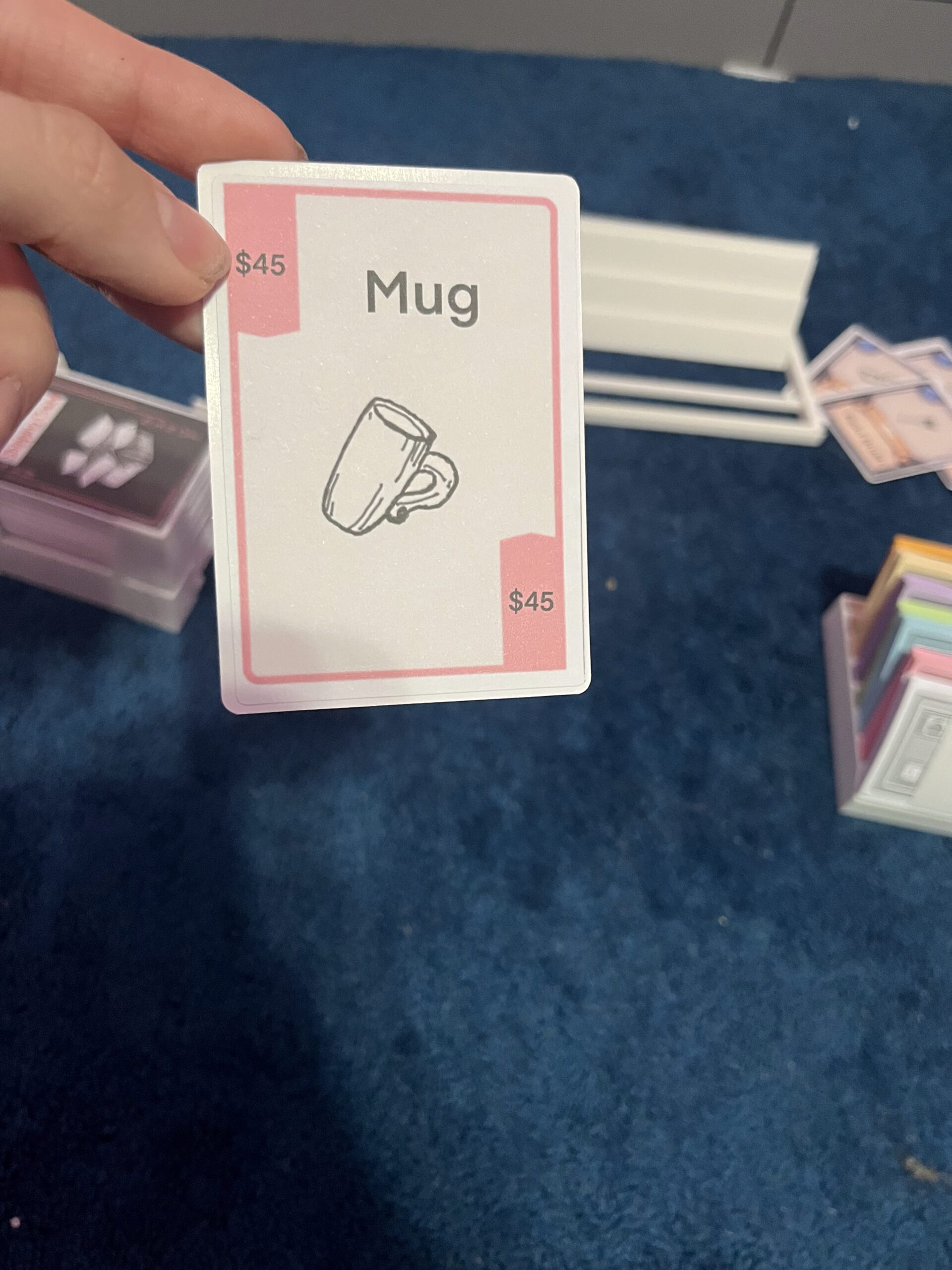
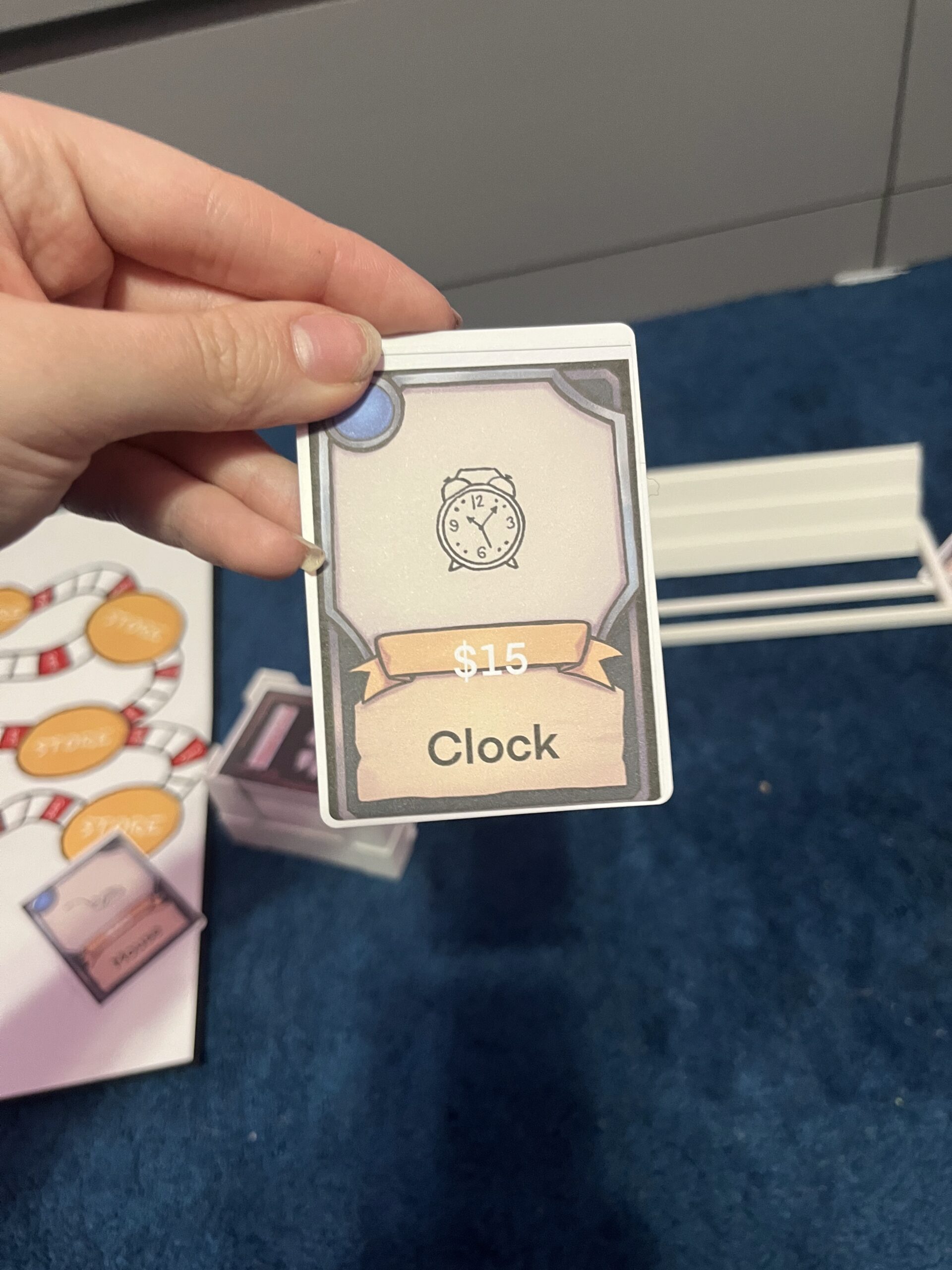
Resource Cards
Tools and services needed to help animals:
- Medical resources (veterinary care, medications)
- Behavioral resources (training, socialization)
- Support resources (foster care, equipment)
Challenge Cards
Unexpected difficulties that arise:
- Shelter challenges (budget cuts, staff shortages)
- Animal challenges (medical emergencies, behavioral setbacks)
- External challenges (community issues, weather emergencies)
Adoption Cards
Potential forever homes for rehabilitated animals:
- Home environment
- Adopter characteristics
- Ideal match criteria
- Limitations
- Special abilities
Rulebook & Playtesting
Rulebook Sample
The rulebook excerpt below demonstrates our approach to clear, concise instructions that maintain the game’s emotional core:
WELCOME TO SECOND CHANCE SANCTUARY
In this cooperative game, you and your fellow players take on the roles of animal welfare workers at Second Chance Sanctuary, a shelter dedicated to rescuing, rehabilitating, and rehoming animals that have experienced abuse, neglect, or abandonment.
Your mission is to work together to save as many animals as possible while managing limited resources and facing unexpected challenges. Every animal has a unique story and specific needs that must be addressed before they can find their forever home.
PHASE 2: RESOURCE PHASE
Starting with the first player and proceeding clockwise, each player may play Resource Cards from their hand to help animals in the shelter:
- Place Resource Cards on Animal Cards to address their specific needs
- Each animal has different needs (Medical, Behavioral, Support)
- Multiple resources are needed to advance an animal’s rehabilitation
Example: Brooklyn the Belgian Malinois/German Shepherd has three needs: Medical Care, Trust Building, and Basic Training. A player could play the “Veterinary Exam” Resource Card to address her Medical Care need.
Playtesting Notes
Playtest Session #1 (First Iteration)
Participants: 4 players Feedback:
- “The theme is compelling, but gameplay feels too simple.”
- “Not enough meaningful decisions to make.”
- “Love the animal needs but want to see them and more interaction with them.”
- “Too easy to win or lose based on luck of the draw.”
Action Items:
- Develop more complex animal attributes
- Create specialized player roles
- Add more variety to resource cards
Playtest Session #2 (Second Iteration)
Participants: 5 players Feedback:
- “Too many things to keep track of at once.”
- “Some roles feel more useful than others.”
- “Challenge cards can be devastating with no way to mitigate.”
- “Recovery tracks are interesting but hard to visualize.”
Action Items:
- Streamline tracking systems
- Balance role abilities
- Add mitigation options for challenges
- Redesign recovery track visualization
Playtest Session #3 (Third Iteration)
Participants: 3 players Feedback:
- “Gameplay flows much better now.”
- “Still feels like luck can dominate strategy sometimes.”
- “Adoption matching is interesting but needs more depth.”
- “Success feels rewarding when you save an animal.”
Action Items:
- Further balance the challenge deck
- Enhance adoption mechanics
- Add more feedback mechanisms for successful rehabilitations
Playtest Session #4 (Final Iteration)
Participants: 6 players Feedback:
- “Everyone felt engaged and important to the team.”
- “Emotional connection to the animals was strong.”
- “Difficulty feels challenging but almost fair.”
- “Success Stories area gave a sense of accomplishment.”
- “Would like to see more animal varieties in future expansions.”
Game Reflections
What Worked Well
- Emotional Connection: The animal stories created genuine emotional investment from players, who celebrated each successful adoption.
- Cooperative Mechanics: Players engaged in meaningful discussions about resource allocation and strategy, creating a true teamwork experience.
- Educational Value: Players reported learning about animal welfare issues while enjoying the gameplay experience.
- Balanced Challenge: The final iteration struck a good balance between difficulty and player agency.
What Could Be Improved
- Setup Time: The game takes longer than ideal to set up, which could be streamlined in future versions.
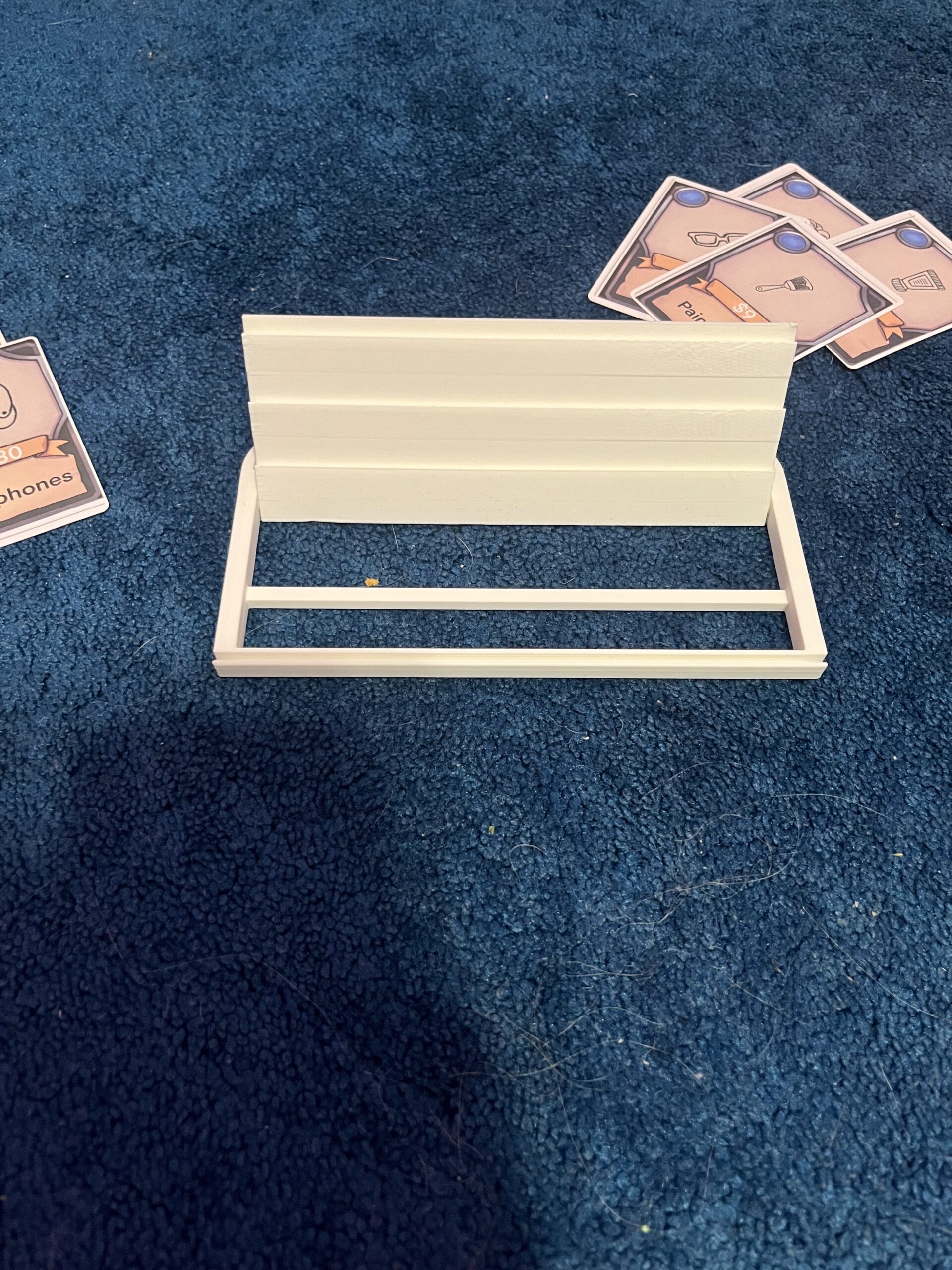
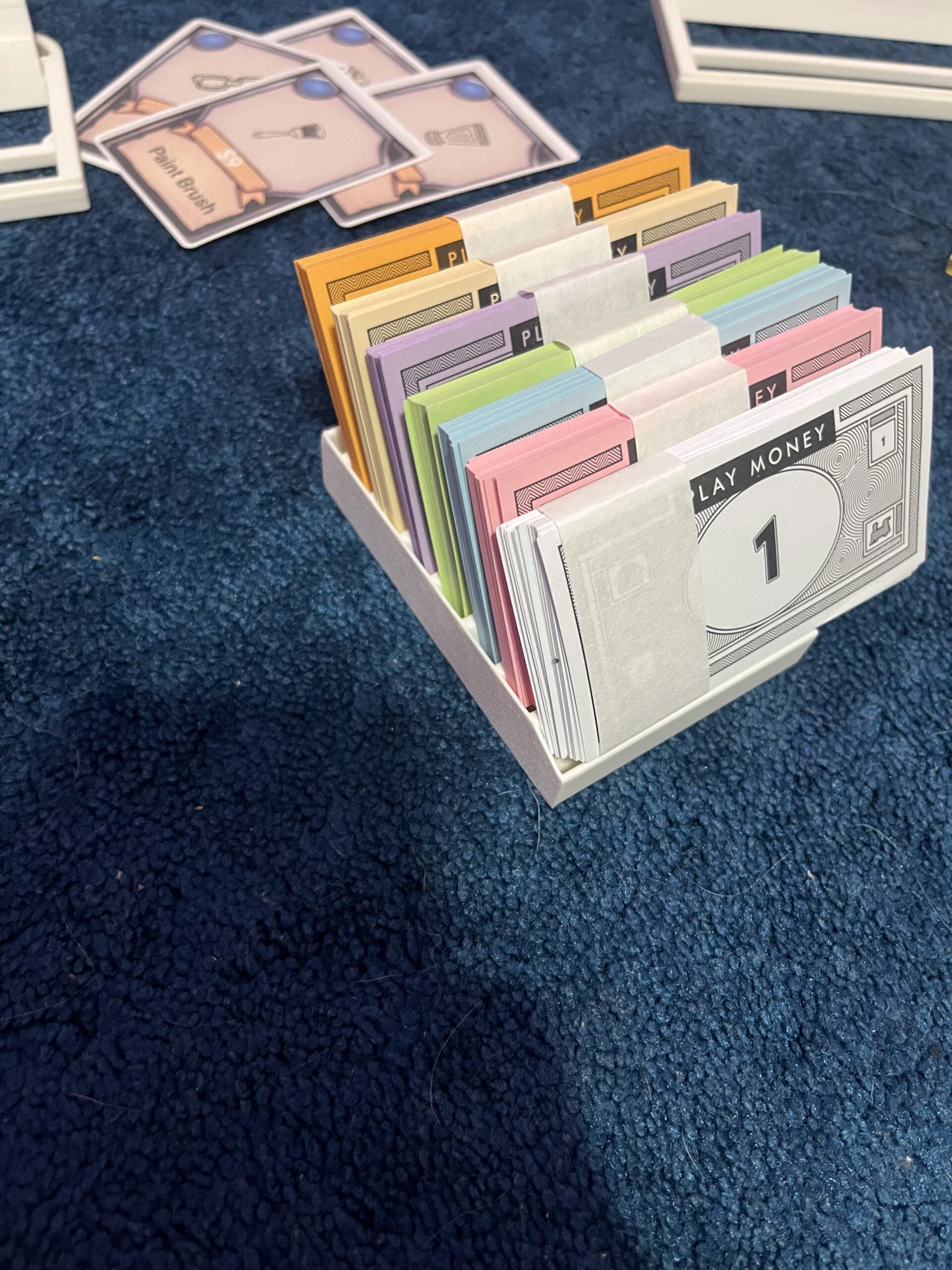
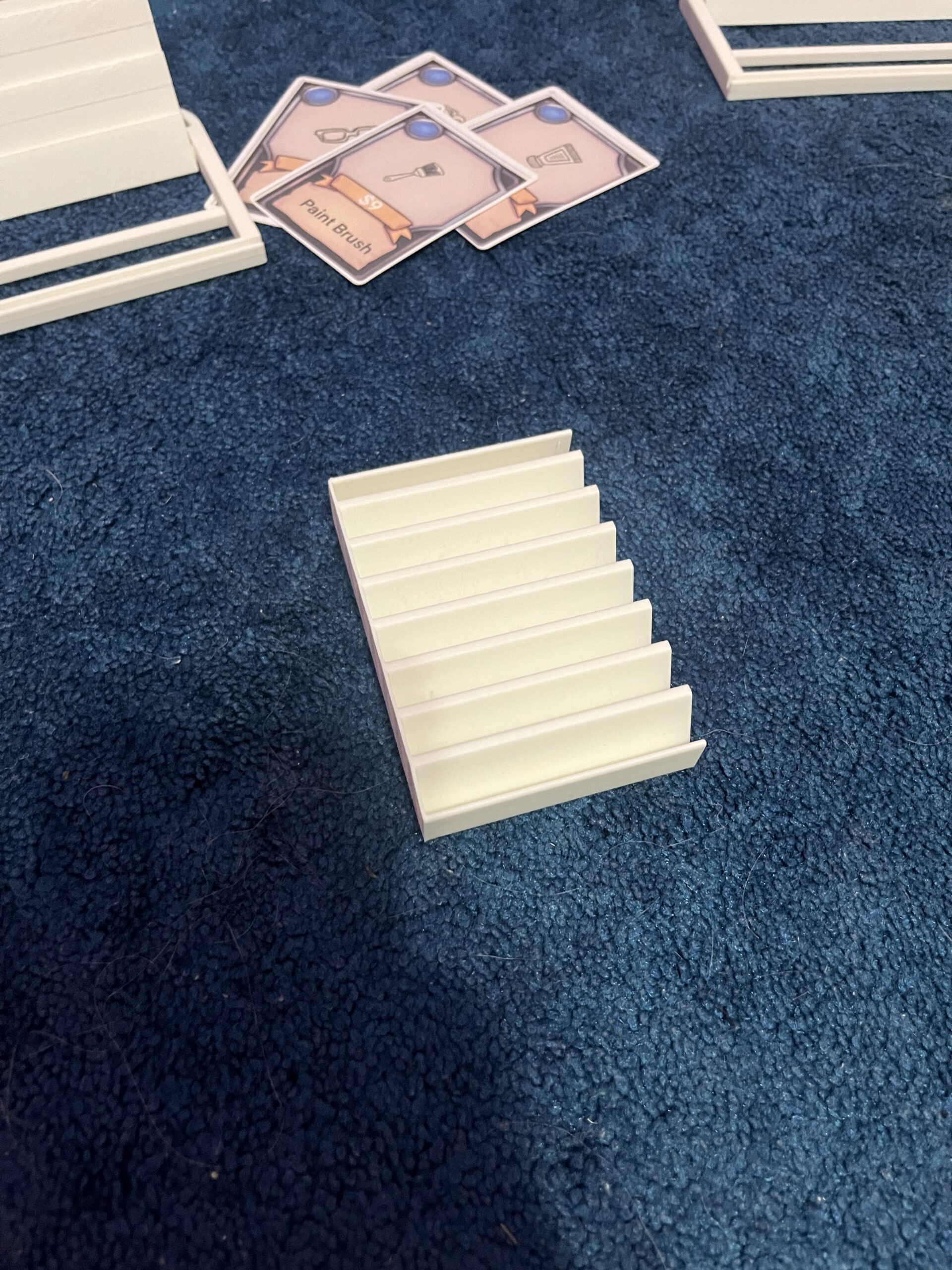
- Component Optimization: Some physical components could be redesigned for better usability and visual clarity.
- Scaling: The game works best with 4 players; better scaling for 2-3 or 5-6 players could be developed.
- Expansion Potential: Players requested more animal varieties and special case scenarios that could be addressed in expansions.
Lessons Learned
- Theme-Mechanics Integration: We learned that mechanics must serve both gameplay and thematic elements to create an immersive experience.
- Playtesting Value: Each playtest session provided invaluable insights that dramatically improved the game quality.
- Emotional Design: Games that create emotional connections can motivate players beyond the traditional win/lose conditions.
- Accessibility: Clear rules and visual design are crucial for complex games to remain accessible to various player types.
- Educational Balance: Educational content must be balanced with engaging gameplay to be effective.
Future Development
Based on our experience developing Second Chance Sanctuary and feedback from playtesters, we’ve identified several opportunities for future development:
- Community Expansion: Adding community events, fundraising challenges, and public education campaigns.
- Exotic Animals Expansion: Introducing more specialized animals with unique care requirements.
- Digital Implementation: Creating a companion app to streamline setup and track complex game states.
- Educational Version: Developing a simplified version for classroom use with additional educational materials.
- Campaign Mode: Creating a series of connected scenarios that tell a larger story about animal welfare efforts in a community.
Second Chance Sanctuary has evolved from a simple educational concept into a sophisticated board game that balances mechanical depth with emotional storytelling. Through four iterations of design and testing, we’ve created an experience that engages players while raising awareness about important animal welfare issues.