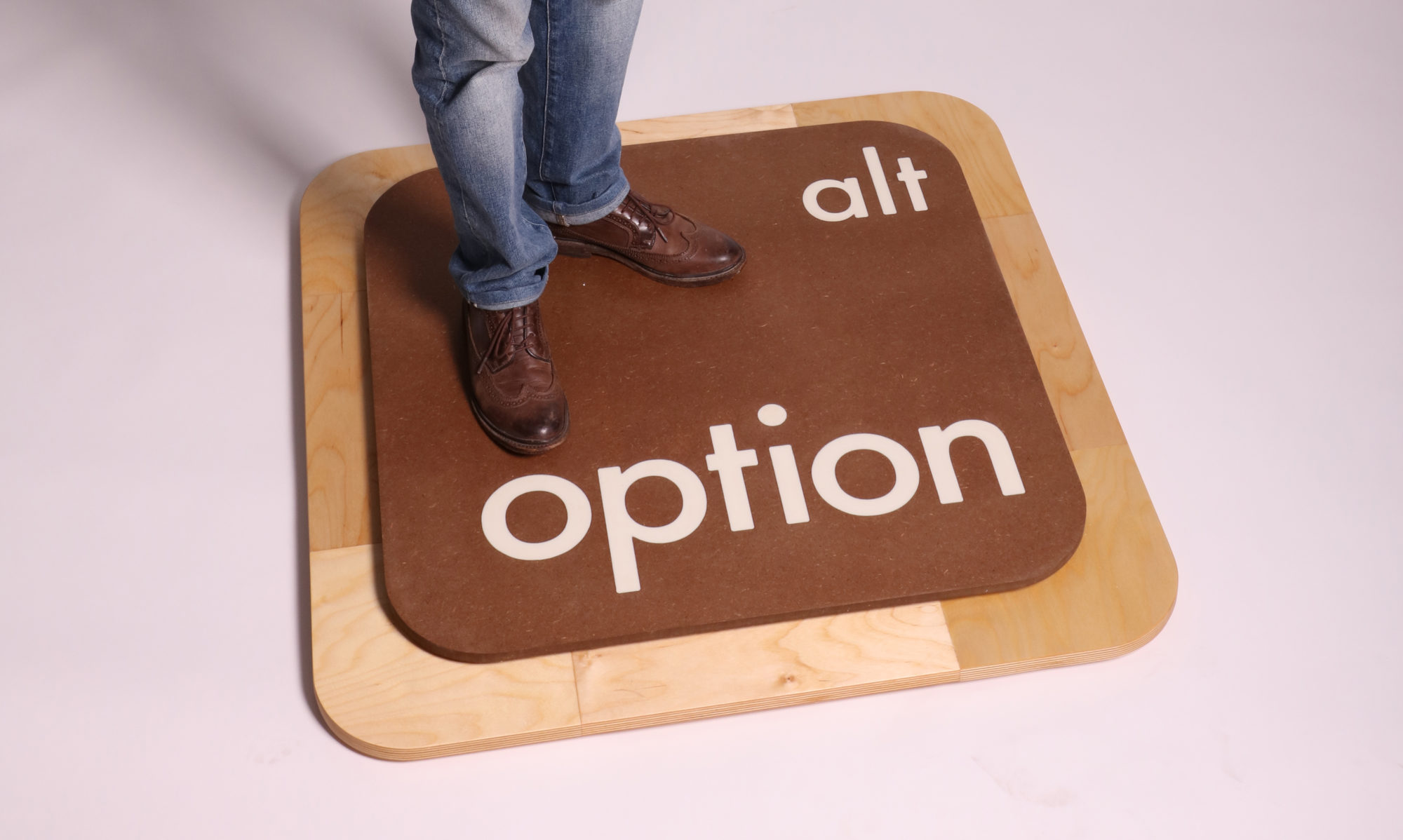
The two types of medias I used were stop motion and video. Making the stop motion took the most time, I made 107 frames which was very time consuming.
4d final Chyenne Nelson
4D Final – Elijah ZM
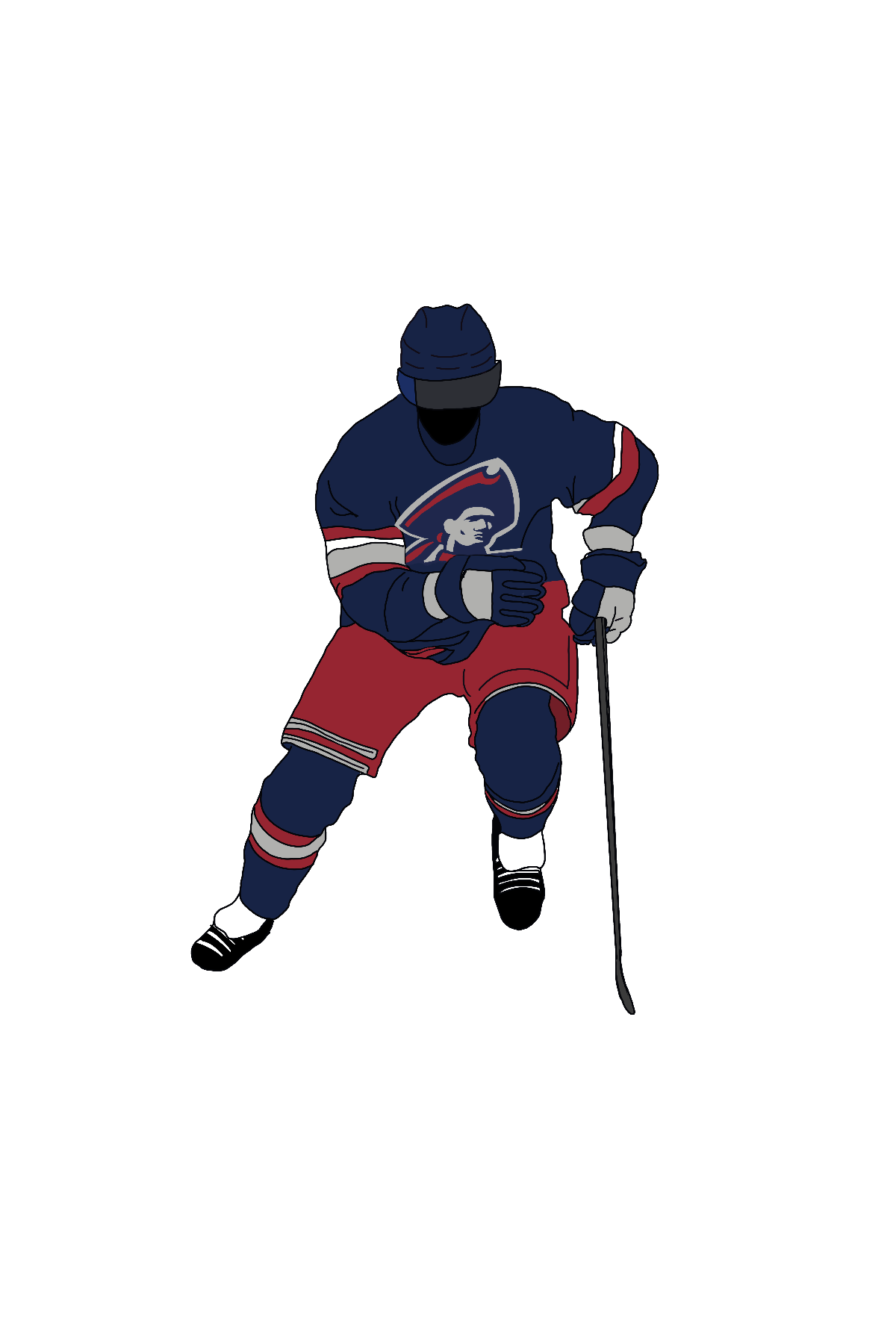
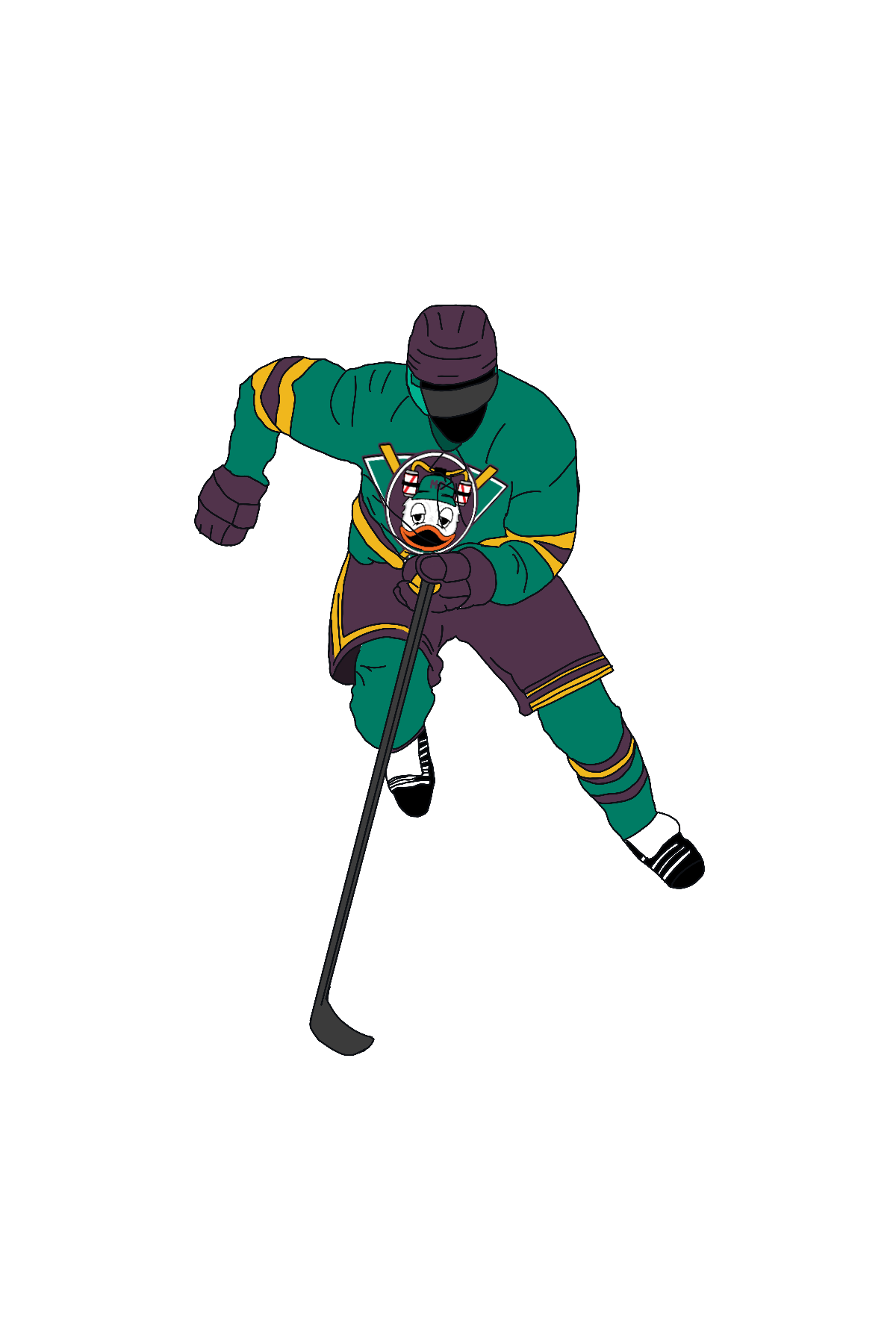
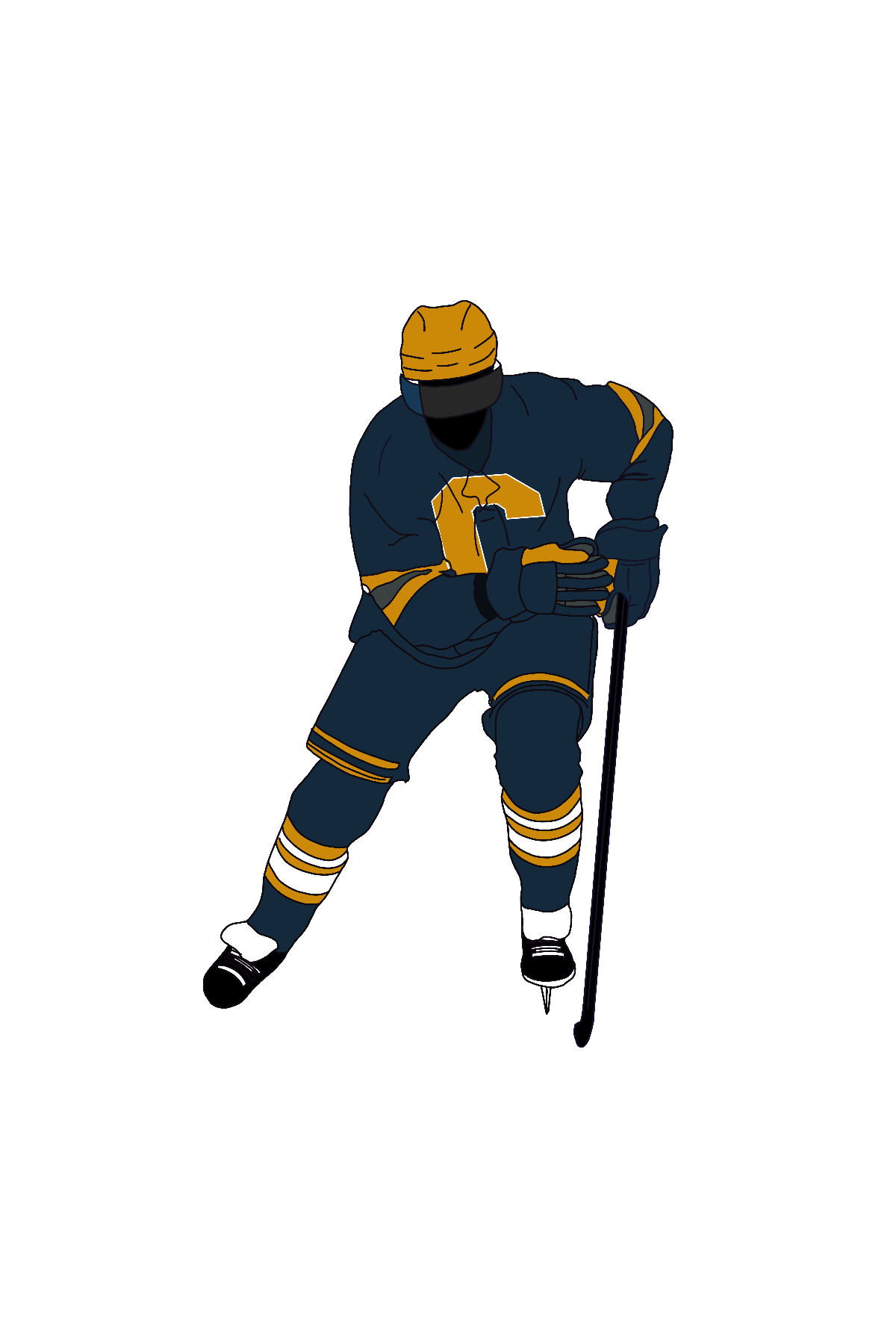

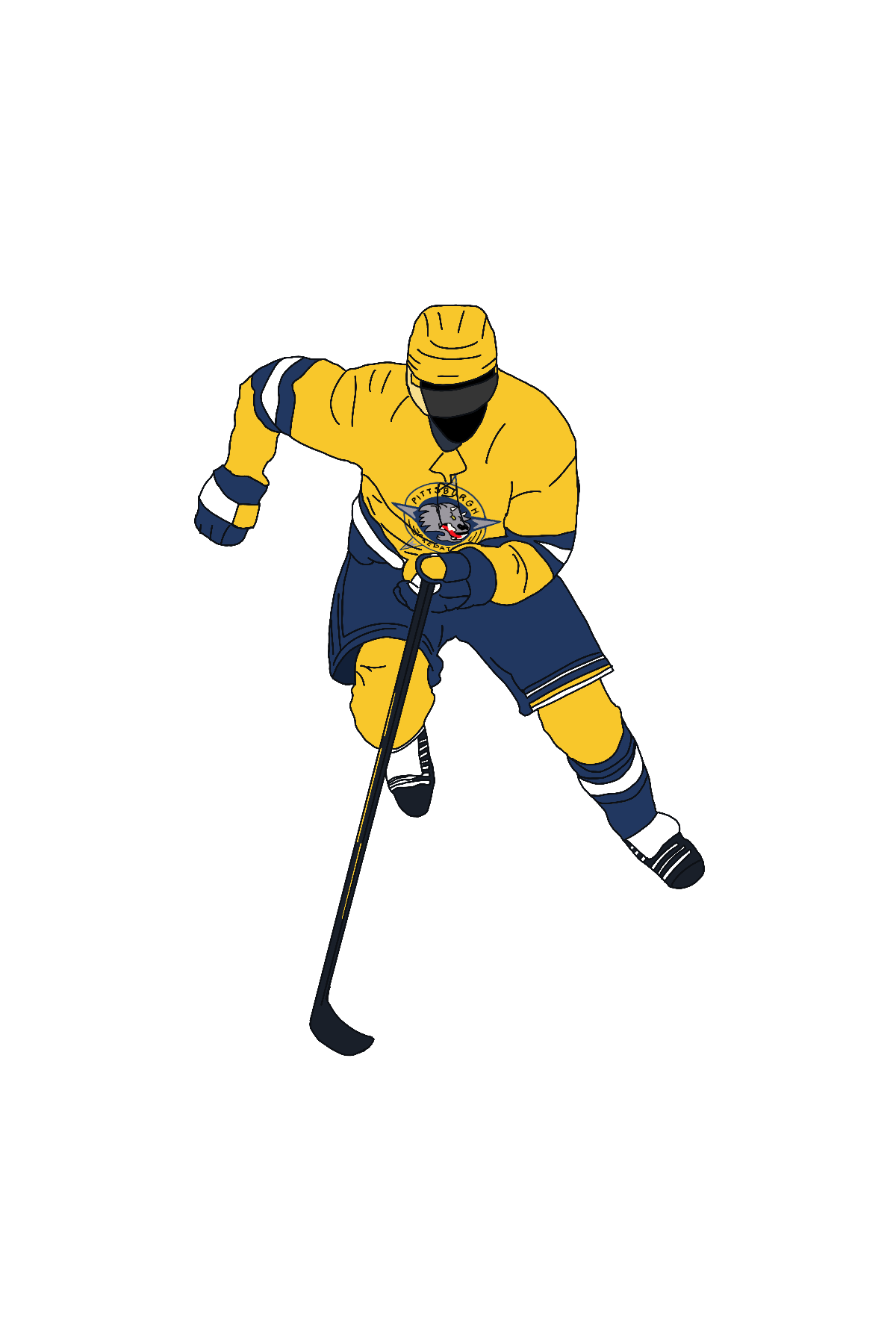
Final – Dillon D
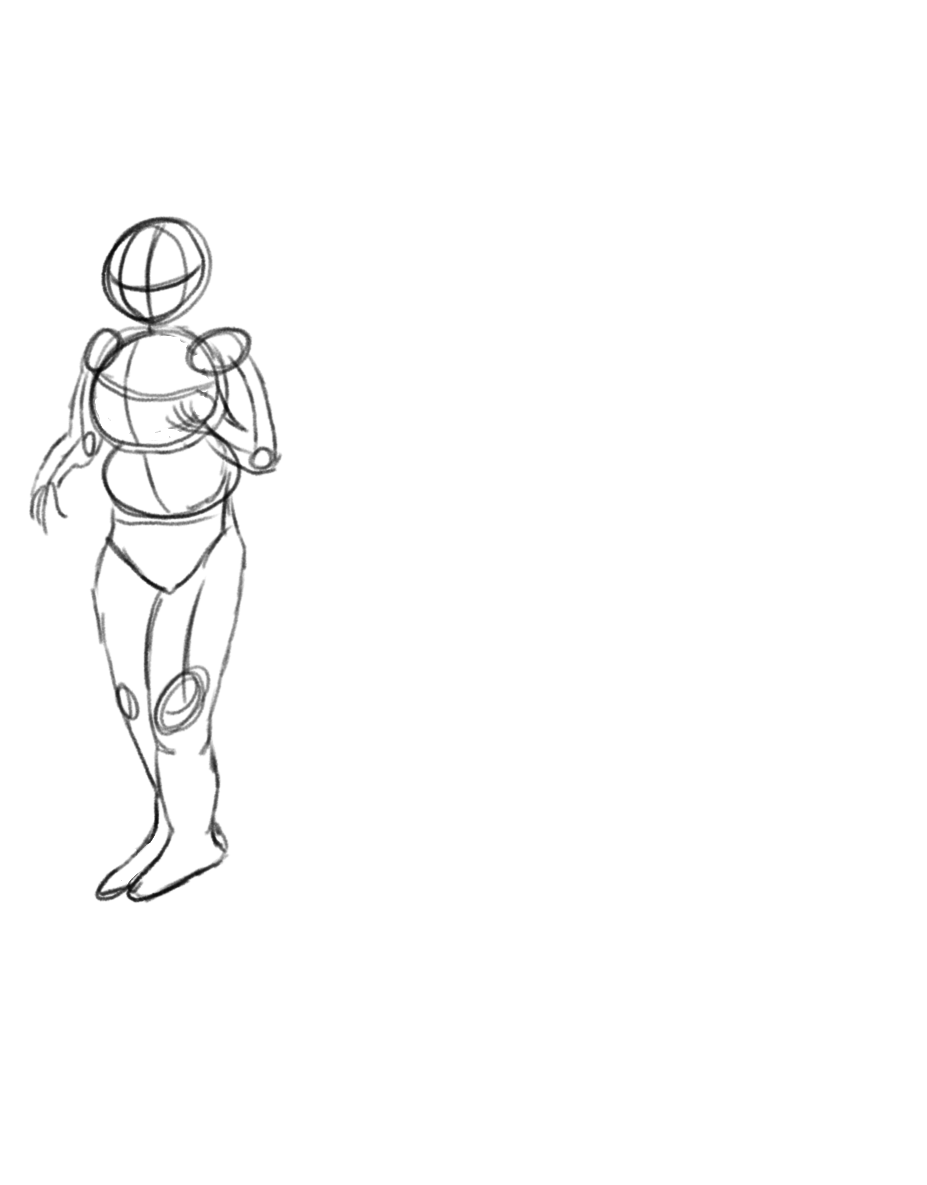
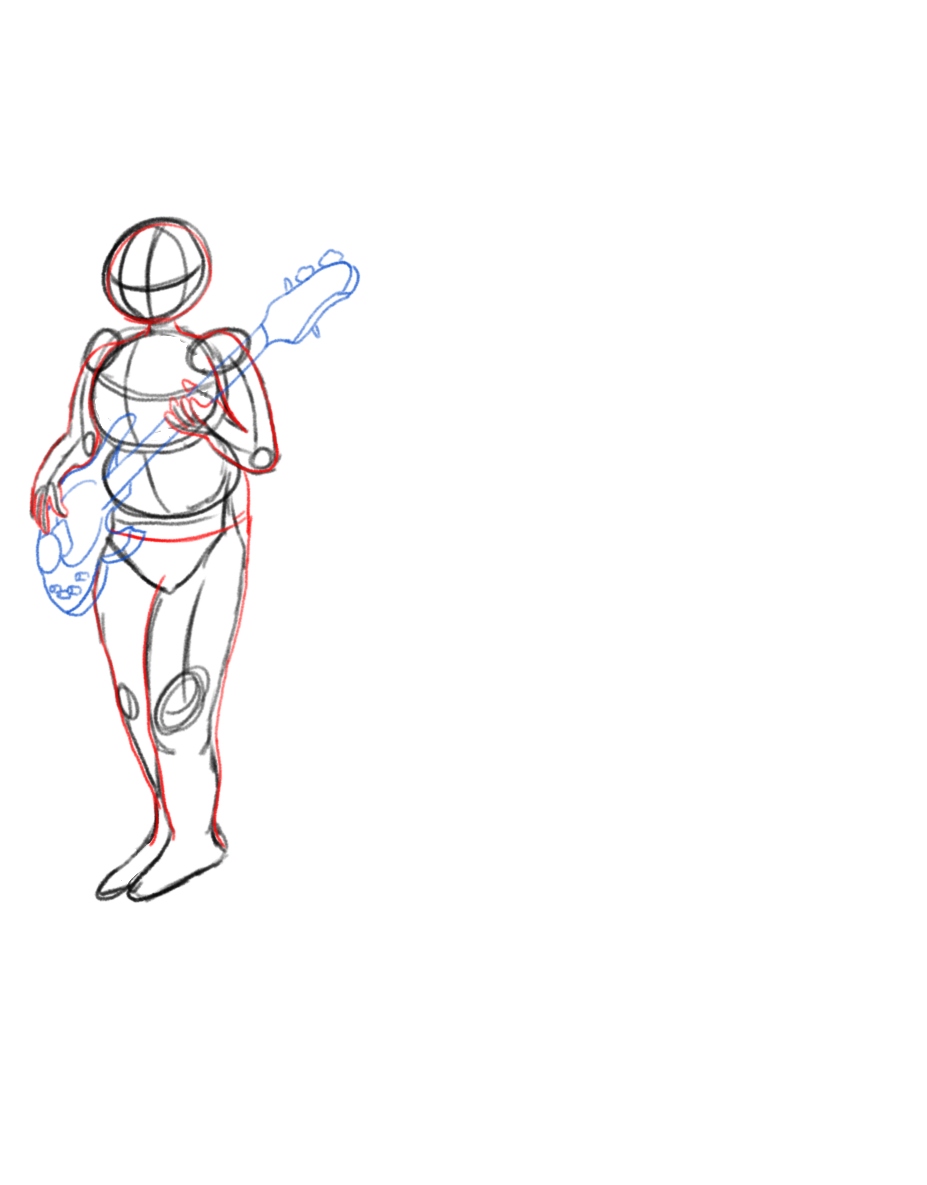


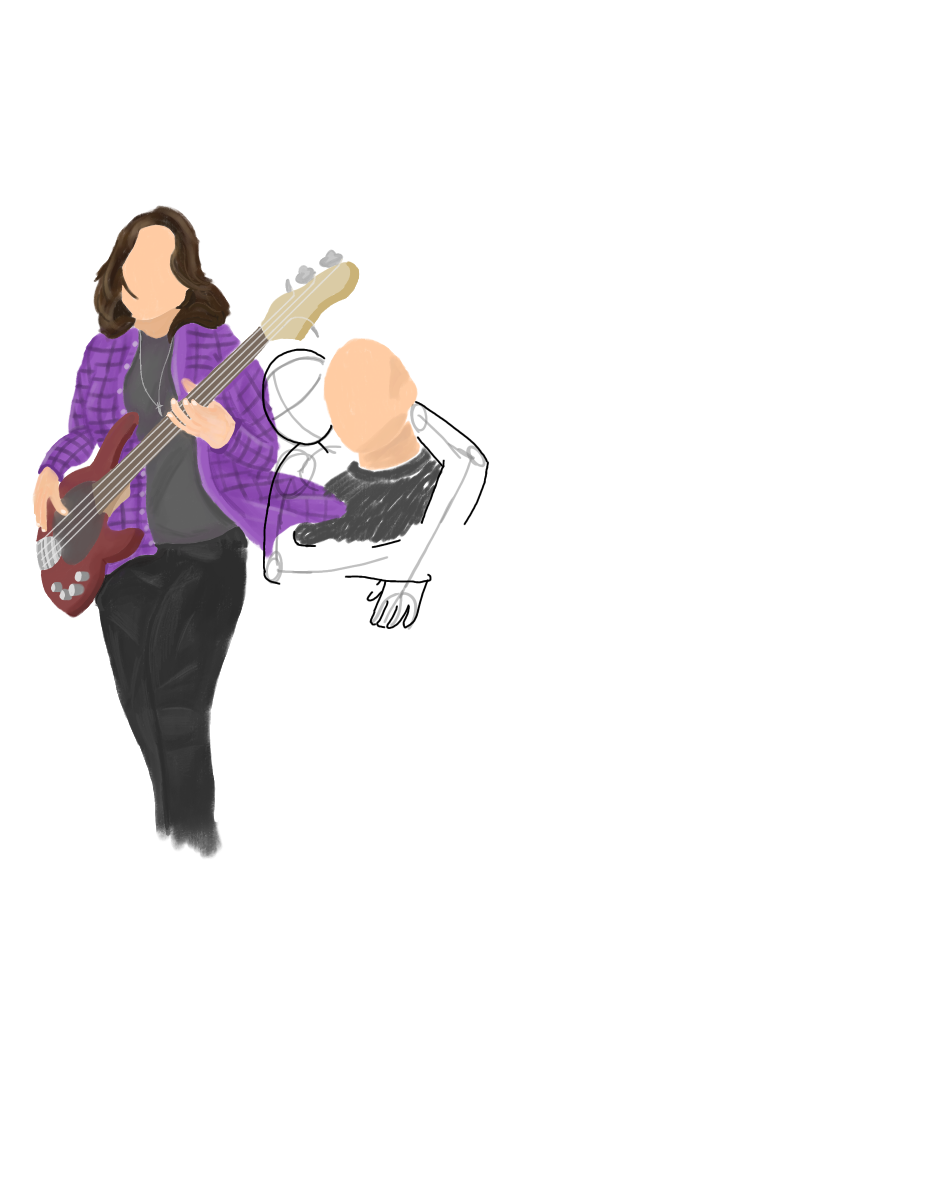

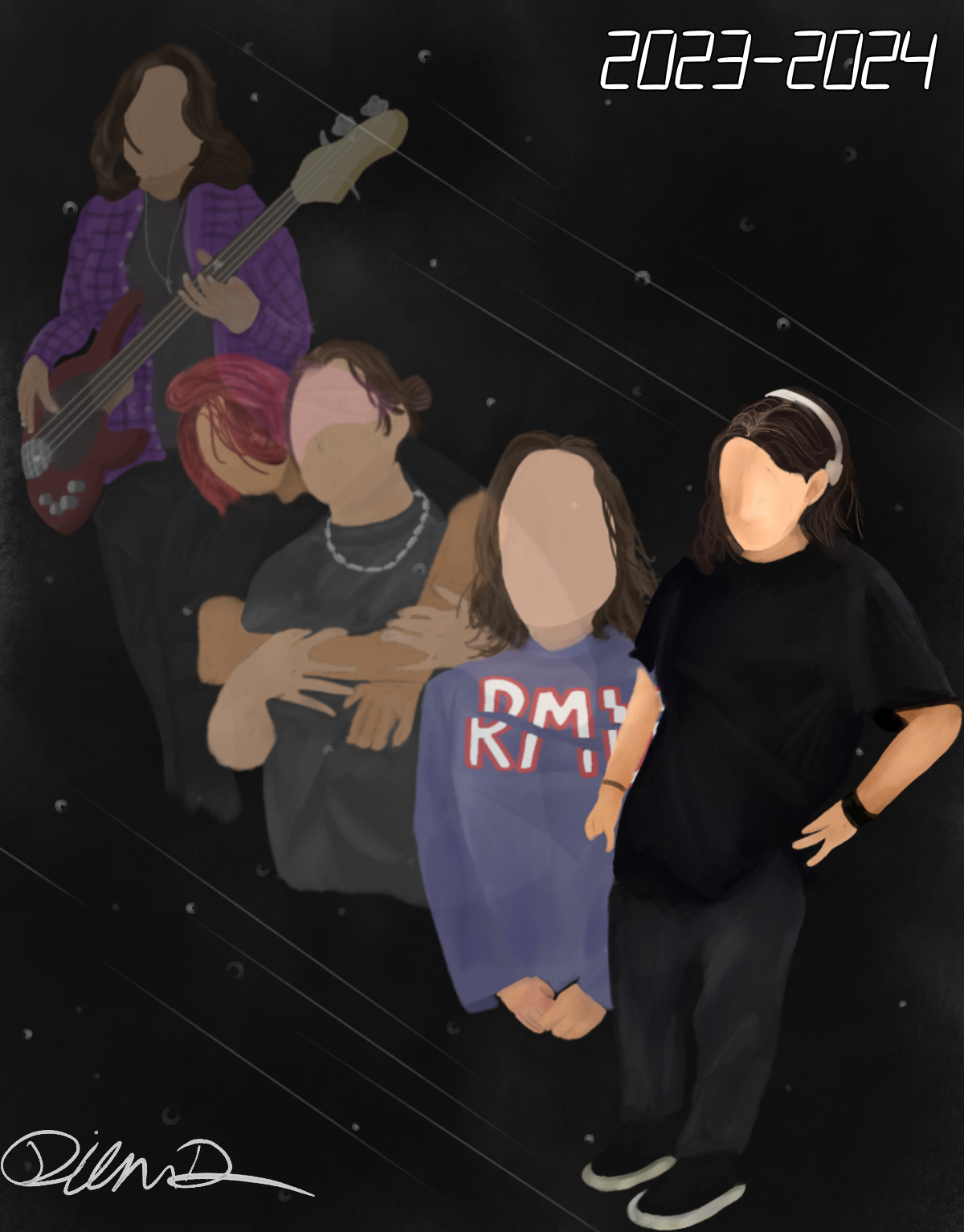
Lauren Yunk Final
Lexie Musguire – 4D Studio Final
“Keep It Up”, a short video by me!
My idea: I wanted to make a movie that would compile the things I love and tell a story through music and videography. My birthday is coming up soon, and I have found myself feeling very nostalgic recently. This video is a tribute to everyone who has ever believed in me and supported me while I attempt to chase my dreams.
Process: I went through A LOT of videos in my phone and imported them to google drive. I used iPhone’s latest video cropping and editing tools to try and get the clips somewhat prepared for the editing process. I also went to my iPhone’s “Live Photos” album to screen record the moving pictures to include in this. Using Canva, I was able to join clips, text and animations together to get the “character loading”, character dialogue, and voicemail translation scenes. I then input all of my downloaded files into iMovie and added the mp3 audio. I was recognizing beat patterns in order to have the clips match the song. My goal is for this to feel like you are getting a glimpse into what makes me, me.
I chose this song as it has been one of my favorites for years and it matches my recent perspective on life. I used Noto Sans for my type, as it is commonly used for subtitles and fit the theme best in my eyes. There is a screen-recorded file of my Pap’s last voicemail to me to intro the glimpse into my head. He was a HUGE influence on my motivation and desire to dream big, and I listen to that voicemail whenever I need a pick-me-up. This was a very fun project to create and assemble, editing in iMovie is very user-friendly and Canva really knocks it out of the park with animation assets. I hope you can enjoy the show! Below are screenshots of some aspects of the editing process, so you can see the method to my madness.


Evelyn’s Final Project

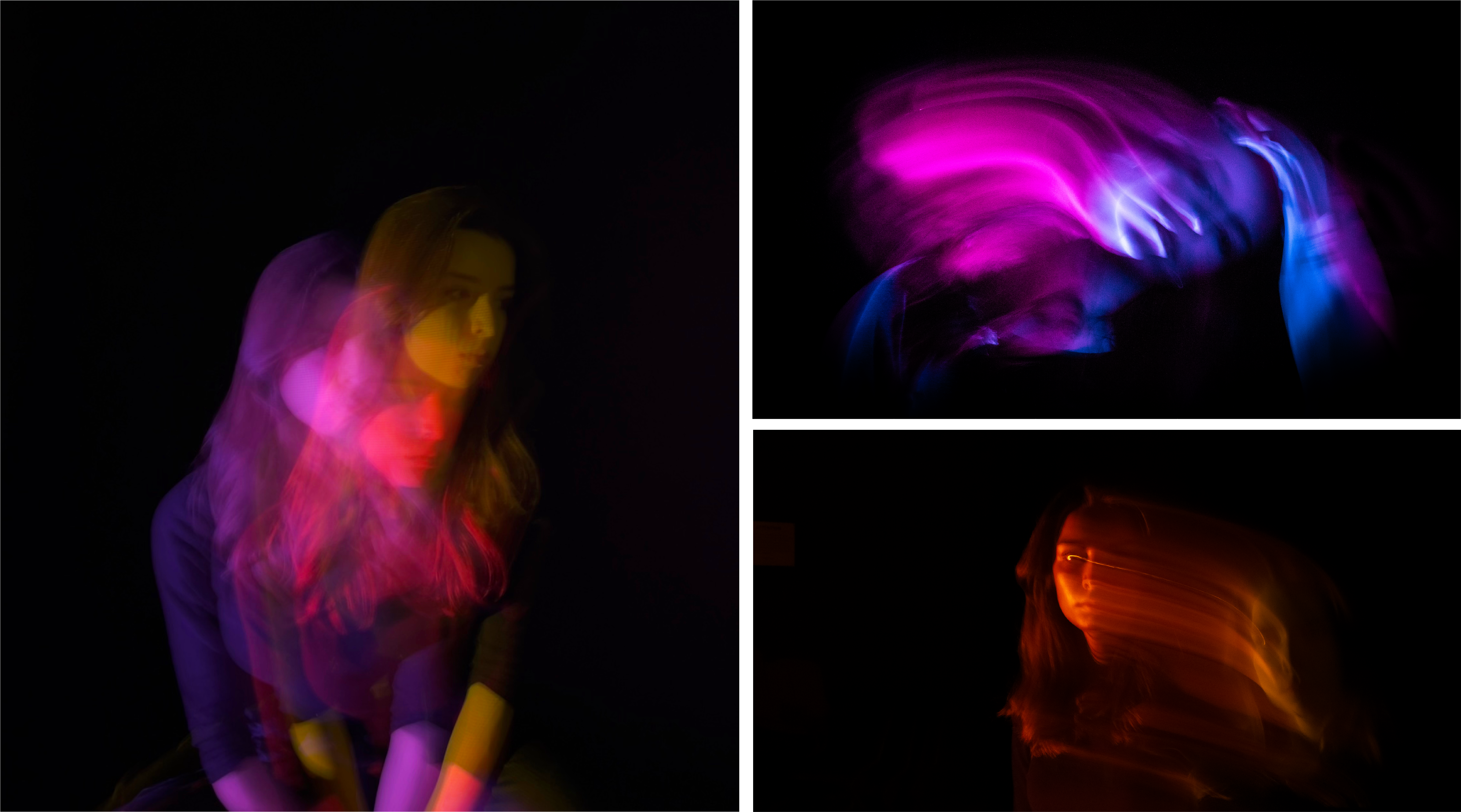
Here are the following steps in my design process:
- Ideation > I brainstormed five different ideas to explore before ultimately settling on a projection portrait. My plan: project light (as a pattern or color) onto myself in a dark room and take a long exposure portrait.
- Draft 1 > For draft one, I experimented projecting several different patterns and colors. This allowed me to flush out what had the best results. Another variable I experimented with was the placement of the camera and projector (did I want a colorful or dark background?). I used my iPhone to do my first rough drafts. Here are some first drafts:

3. Planning and Revisions > After viewing the results from draft 1, I decided that I wanted to project slow, strobing colorful lights and I wanted a dark background. Having a dark background proved to be my biggest challenge. Below is the diagram of the setup.

4. Final Drafts > I followed the diagram and my goal of this final shoot was to nail down the correct camera settings. Here are some of the biggest tweaks I made on the manual setting: shutter speed 1″; F8.0; ISO 1600 in RAW format.
5. Polish > out of the shoot, I selected some of the best to edit in order to enhance the colors and overall clarity of the images.
Thank you for your time!
4D 🔥🔥
With this submission we see the manifestation of how music and “destructive” art AKA fire really speak to me and how much of a “burning passion” (haha Funny Joke) I have for art and music.
Violet 4d Final
Soleil of Earth (film intro)
Zachary Dunlap – 4D Final
Brayden Bauer Wheres Romo Final
Payton Hostetler 4D Final
Carson’s Final Project: 2024 Projection Monopoly Video
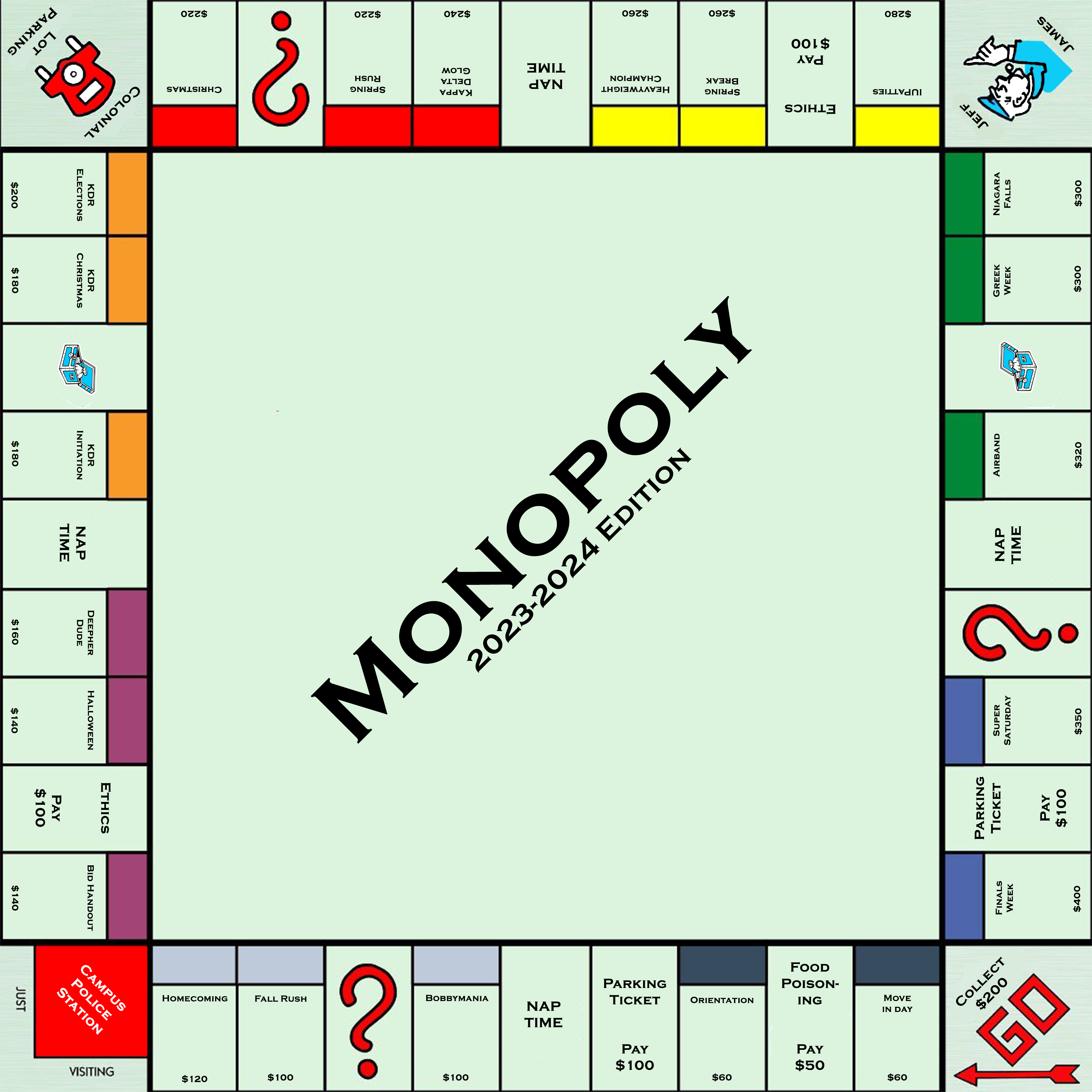
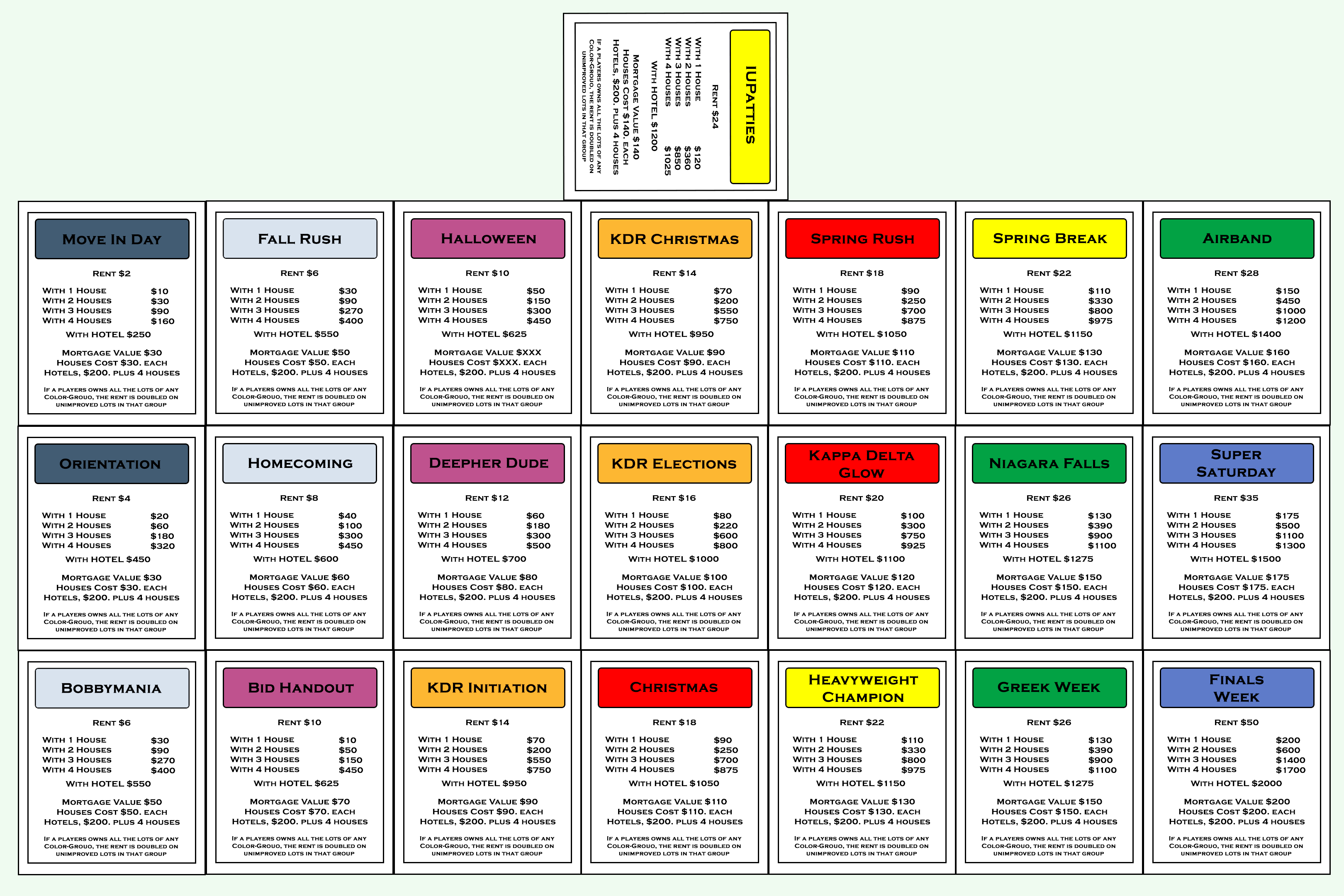
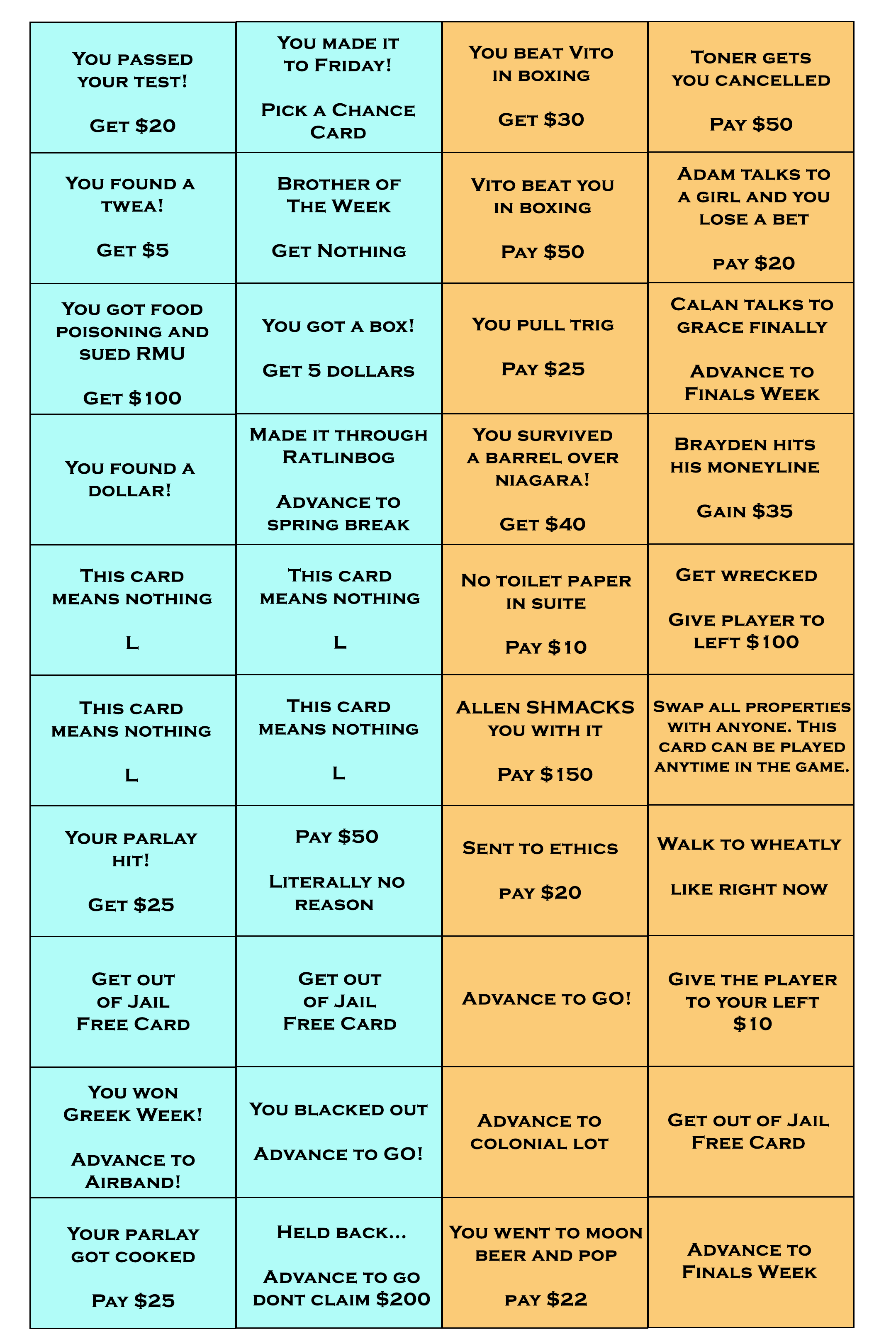
Final Project
An exploration/ performance art piece in real life inspired by my light/projection animated project with video documentation