
design courses, syllabi, schedules, resources and policies
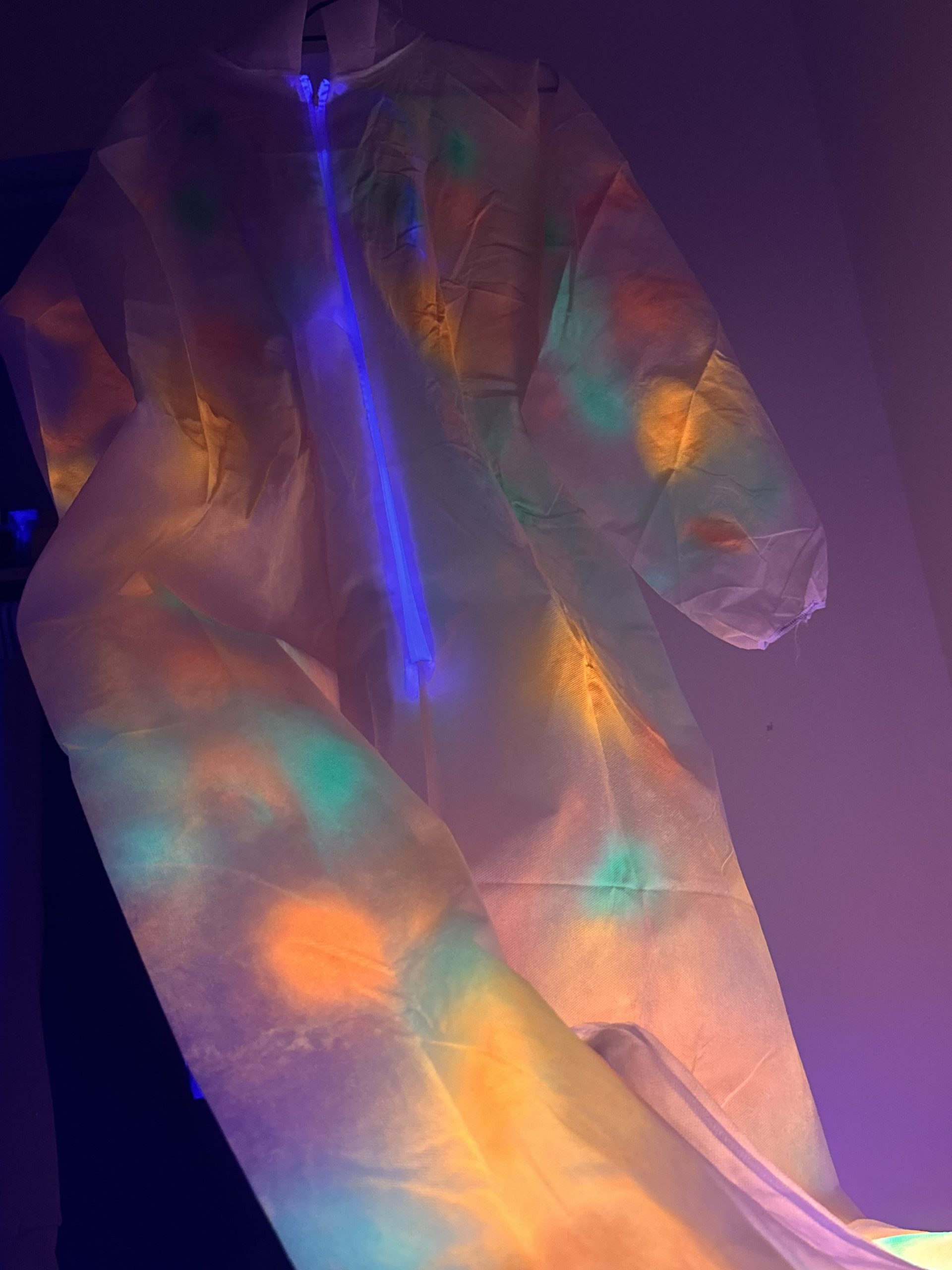
When planning a light project that involves glow-in-the-dark elements and ultraviolet (UV) lighting, there are several factors and challenges to consider, especially when using specific materials and technologies such as glow-in-the-dark paint, black lights, and Tyvek suits. Here’s an expanded look at how to approach such a project, considering the tools and challenges mentioned:
Glow-in-the-dark paint absorbs light and then releases it slowly over time, creating a glowing effect in dark environments. This type of paint is typically phosphorescent and can be used on various surfaces
A common challenge with glow-in-the-dark spray paint is that it often requires activation by a strong light source before it will glow. UV light is particularly effective for this purpose. However, some users might expect these paints to glow without prior exposure to light or may not realize the intensity of light needed for activation.
Black lights emit UV light, which is invisible to the naked eye but can cause certain materials to fluoresce or appear to glow in the dark.
A significant limitation of relying on UV-reactive materials (including some glow-in-the-dark paints) is that their glowing effect is only visible under UV light. Once the UV light source is turned off, these materials will stop glowing. This dependence on continuous UV exposure can be a limitation for projects intended to glow independently of an external light source.
Tyvek suits are made from high-density polyethylene fibers, offering a balance of protection, durability, and comfort. They are often used in industrial and artistic applications to protect the wearer from chemicals or paint overspray.
For a project involving a Tyvek suit, applying glow-in-the-dark paint or UV-reactive paint can transform the suit into a glowing outfit under the right conditions (i.e., after exposure to UV light or in the presence of a black light).


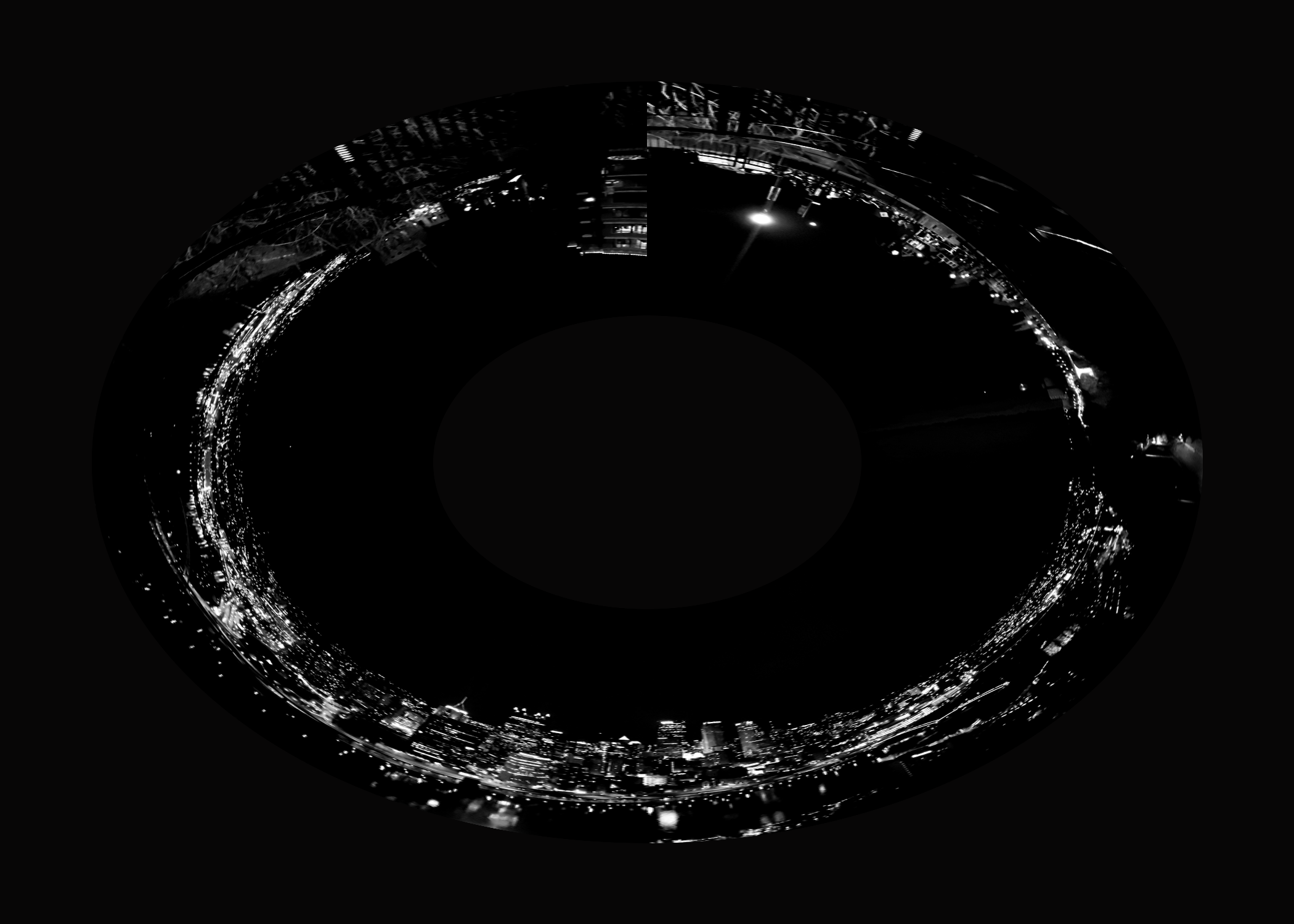
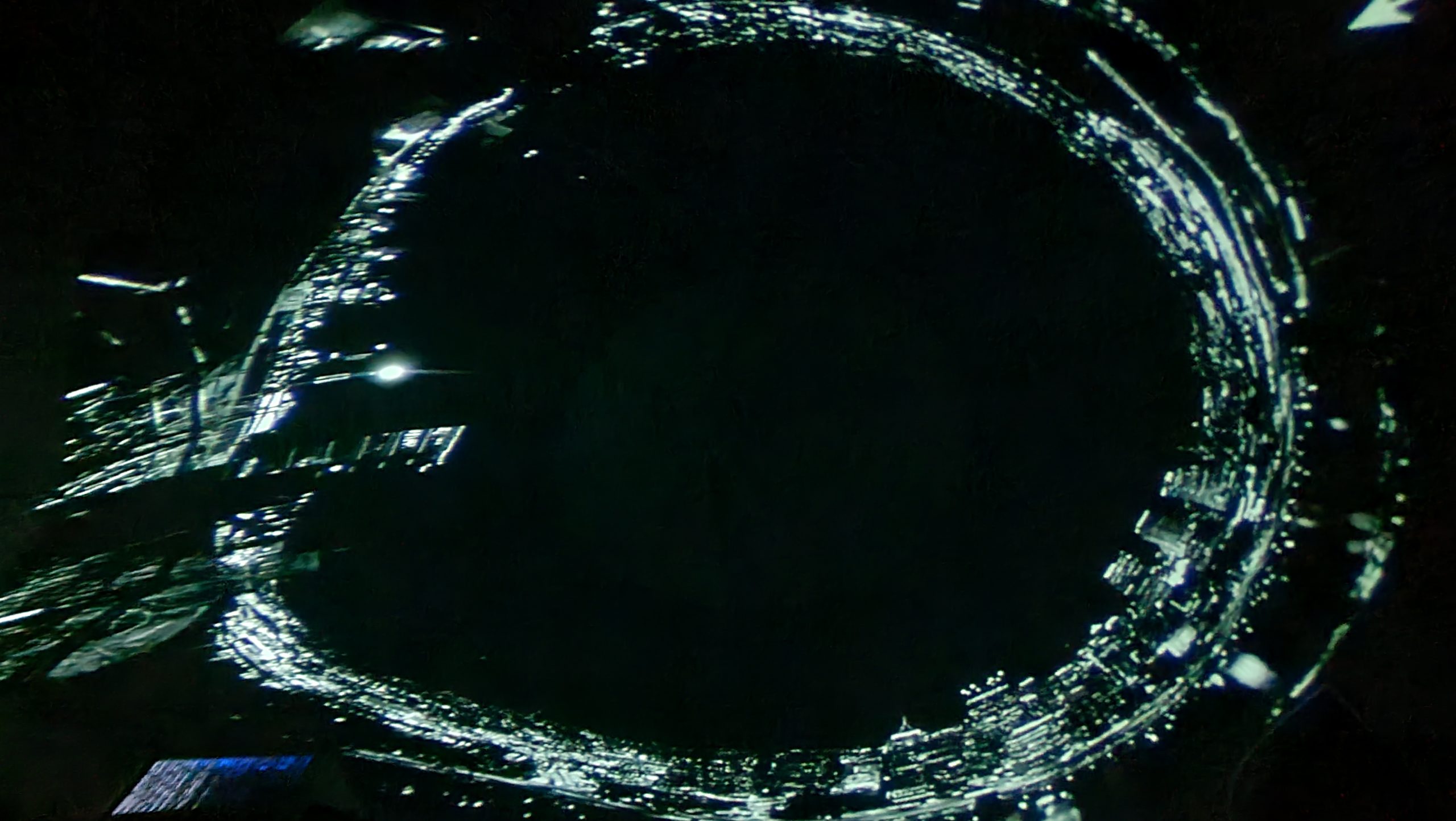
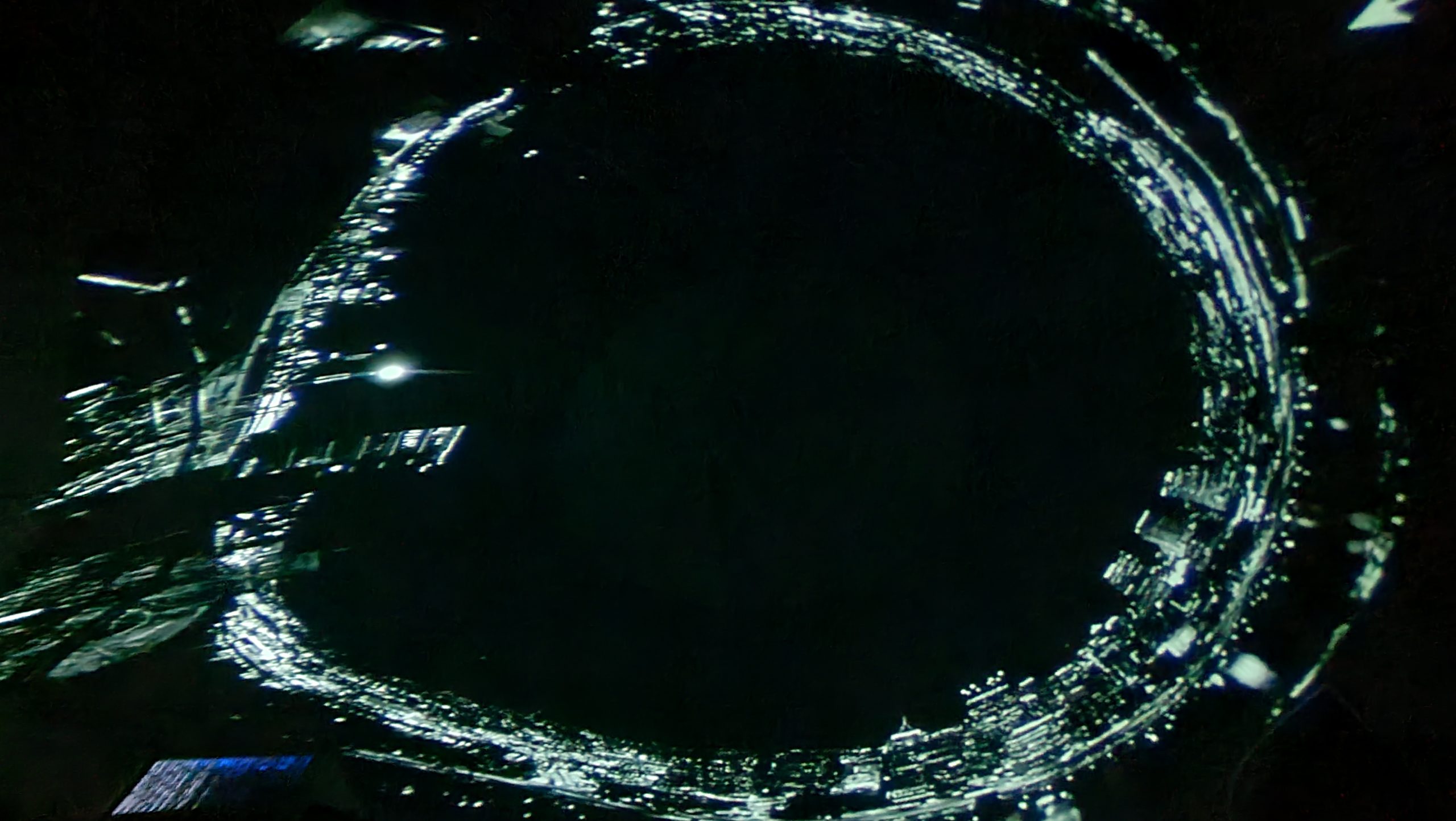


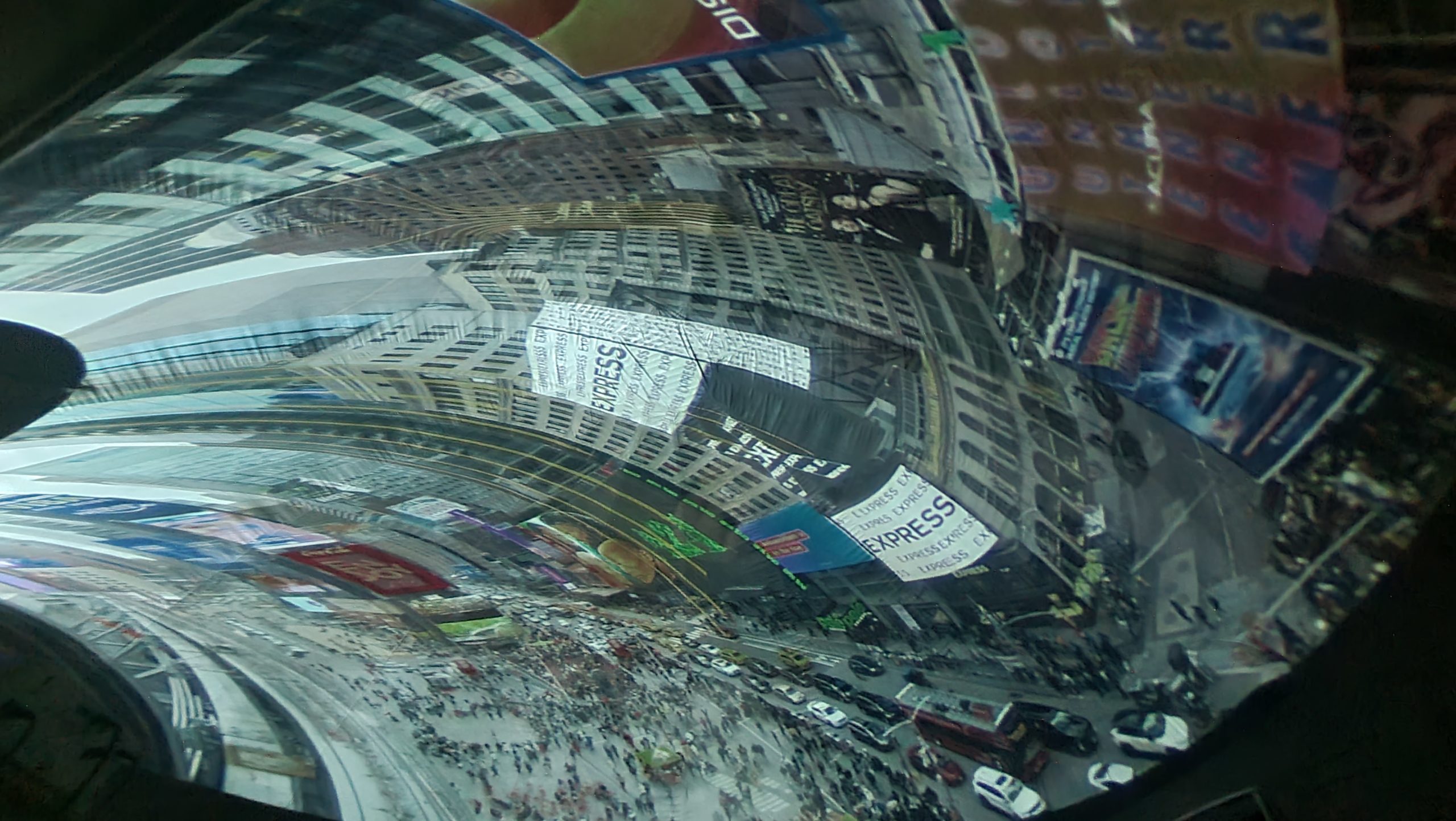
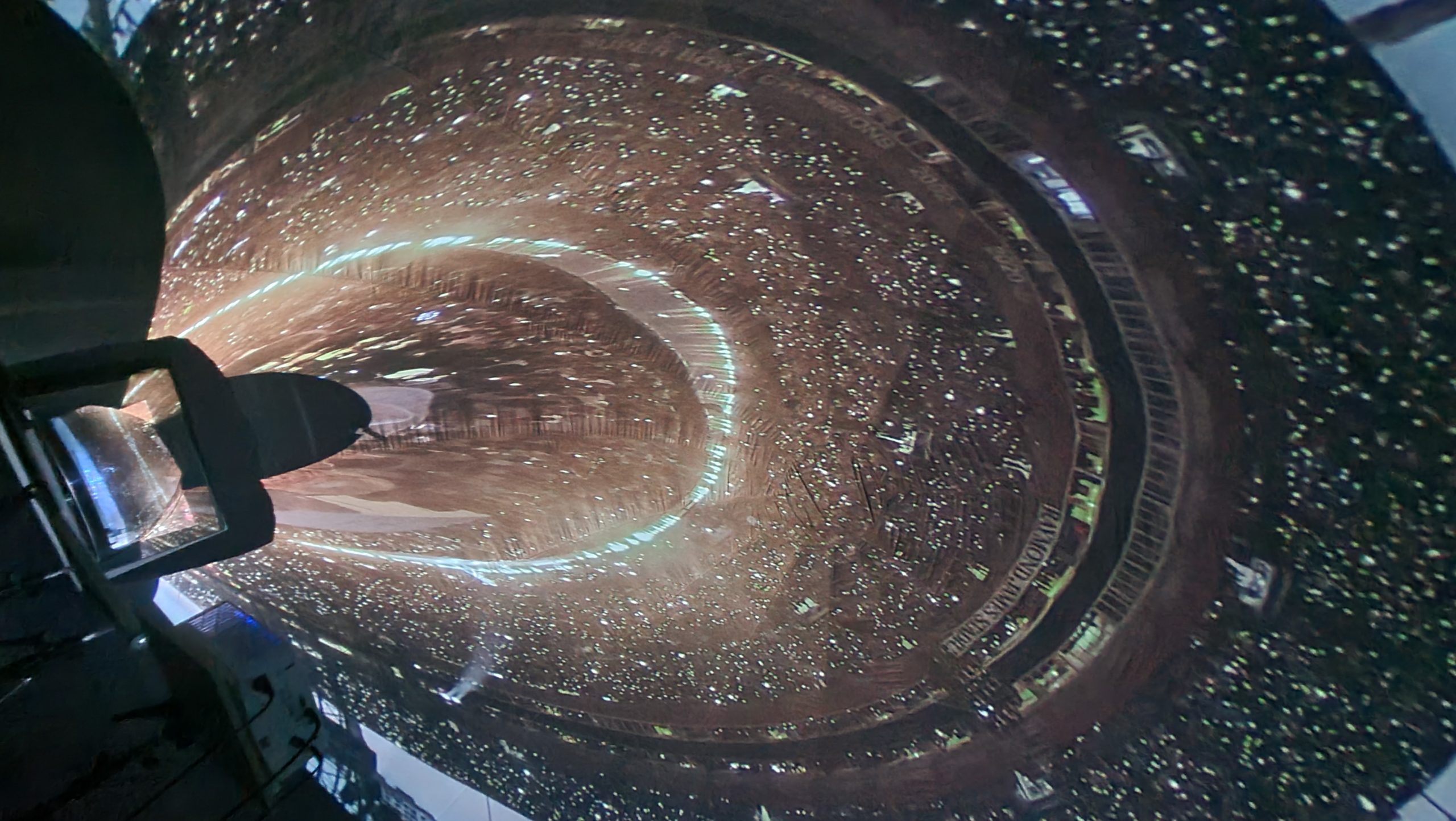
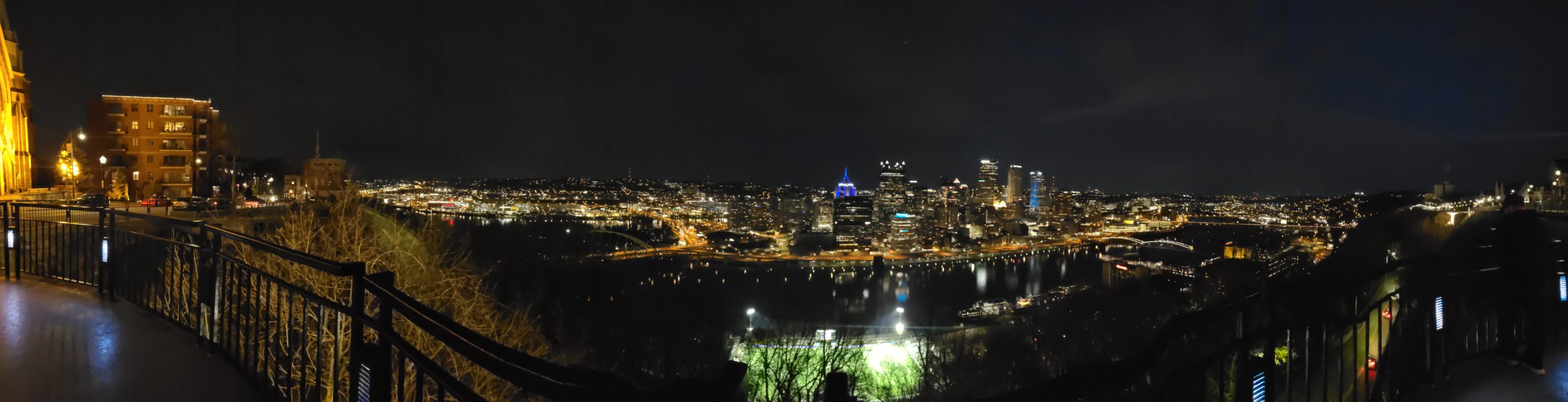
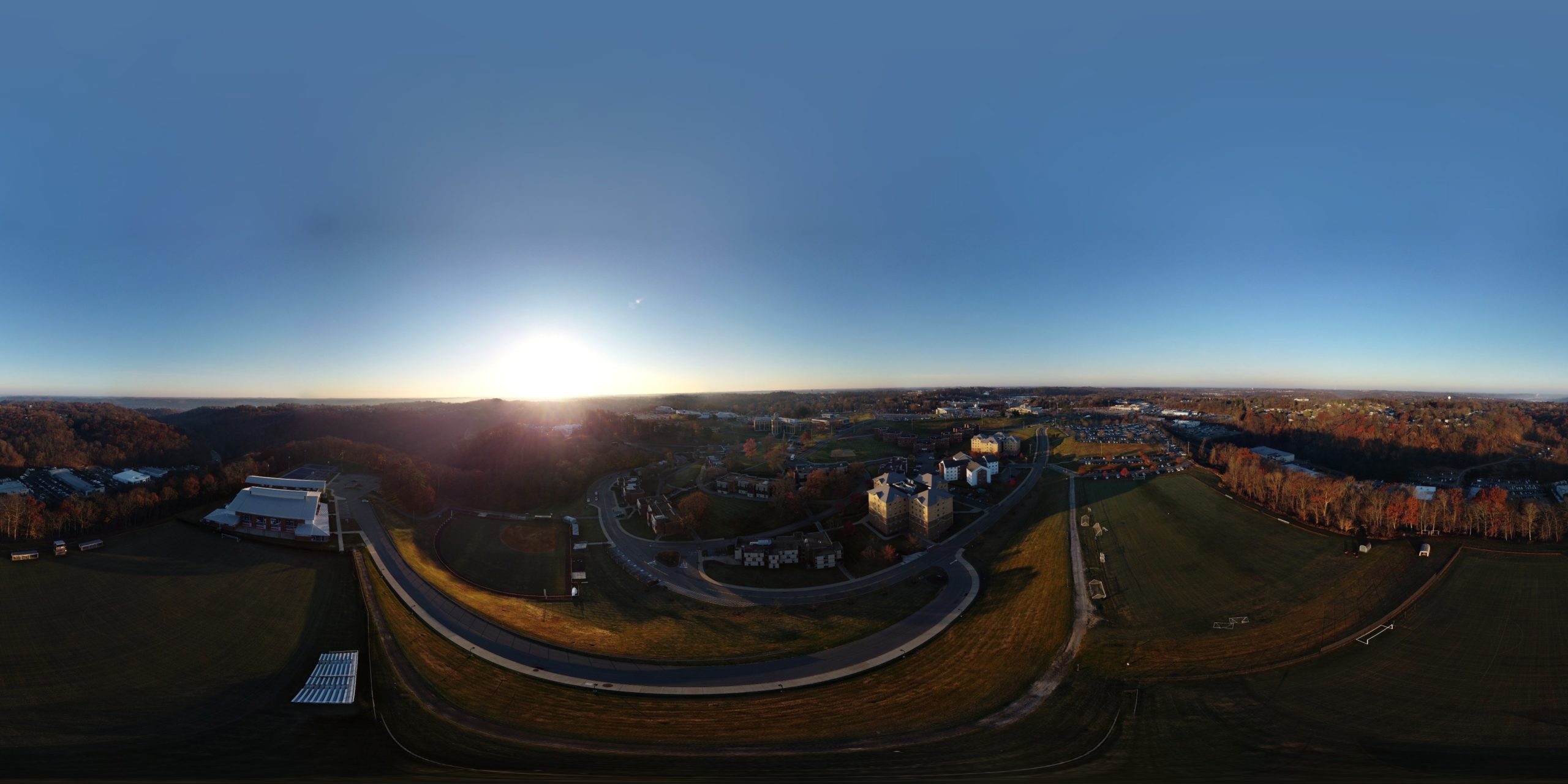
Interactive 360º Photo: https://momento360.com/e/u/7c2e4e7941be495d86c141d67654c667?utm_campaign=embed&utm_source=other&heading=-81.56&pitch=-1.82&field-of-view=82.45&size=medium&display-plan=true
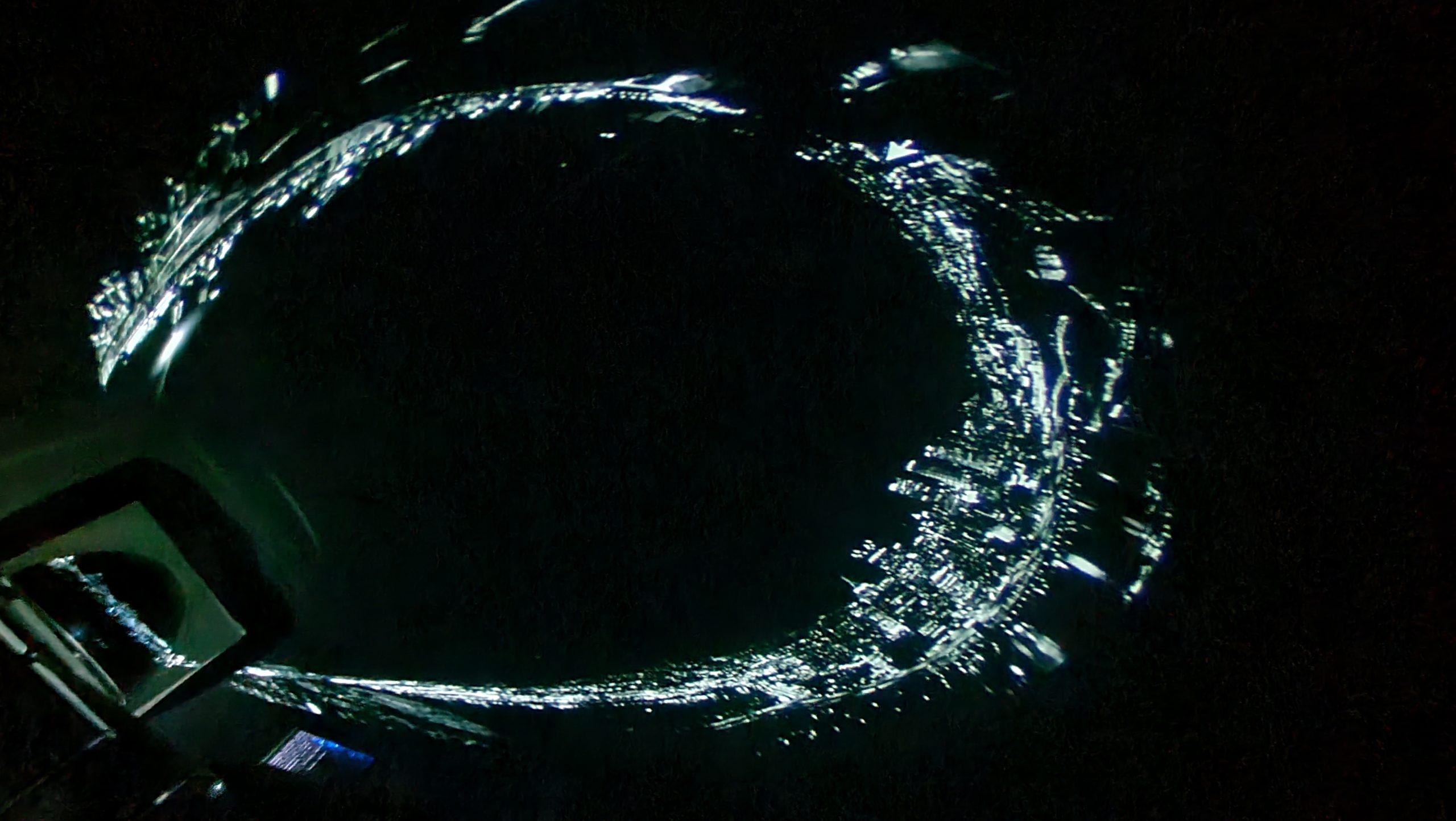
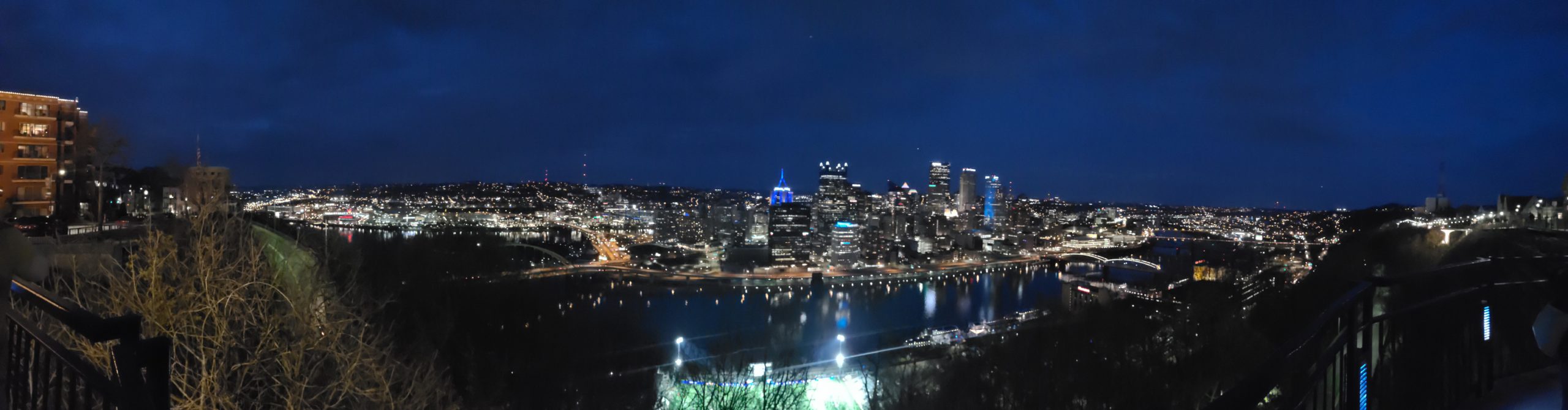
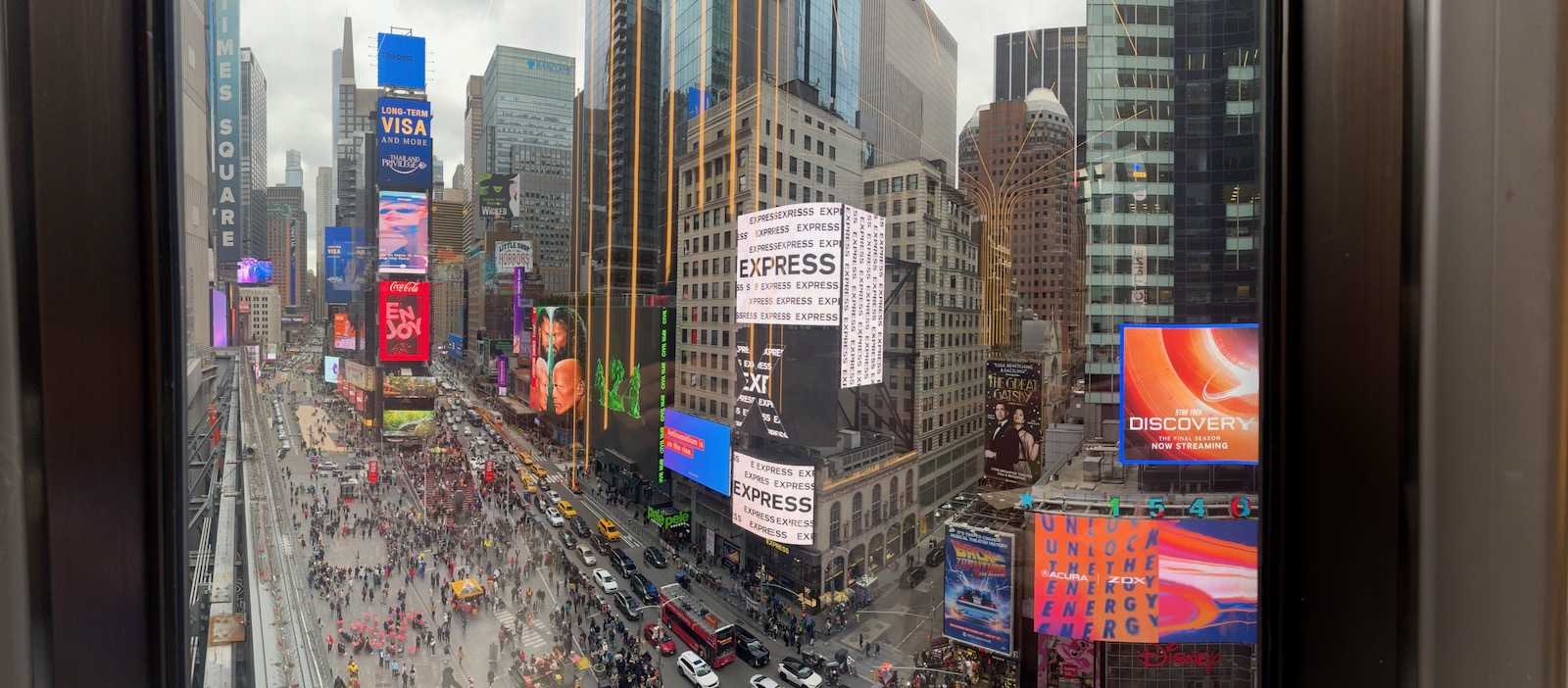
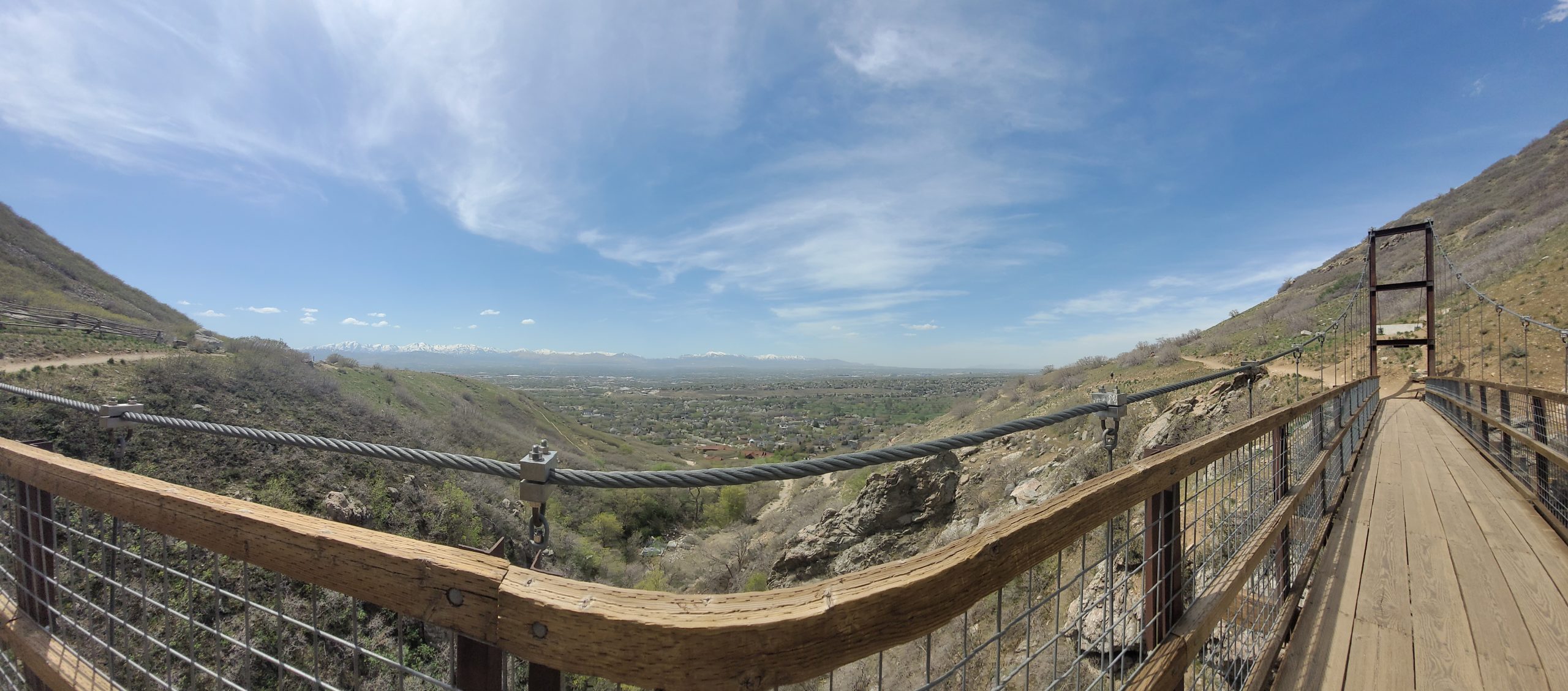
I chose to create a 360º panoramic photograph of campus for my projection project. This photo is a combination of many drone shots stitched together in Photoshop. Still photography itself is a way to document reality, but 360º photography takes that to a whole new level, as you gain the ability to be deeply immersed and surrounded by the photograph. While 360º video can create a similar effect, current technology makes still photography the highest quality and most immersive way to view 360º content. This photo of campus is a vibrant and easily viewable in any 360º viewing software.
My idea was somewhat simple. We see a tent sitting in a void. Someone inside flashes a flashlight on and off spastically. But it hides a message. It’s Morse code, “This is a cry for help.” This symbolizes the importance of noticing the often overlooked and sometimes incomprehensible signs from those who may be going through a difficult mental health journey.
^ Base Video
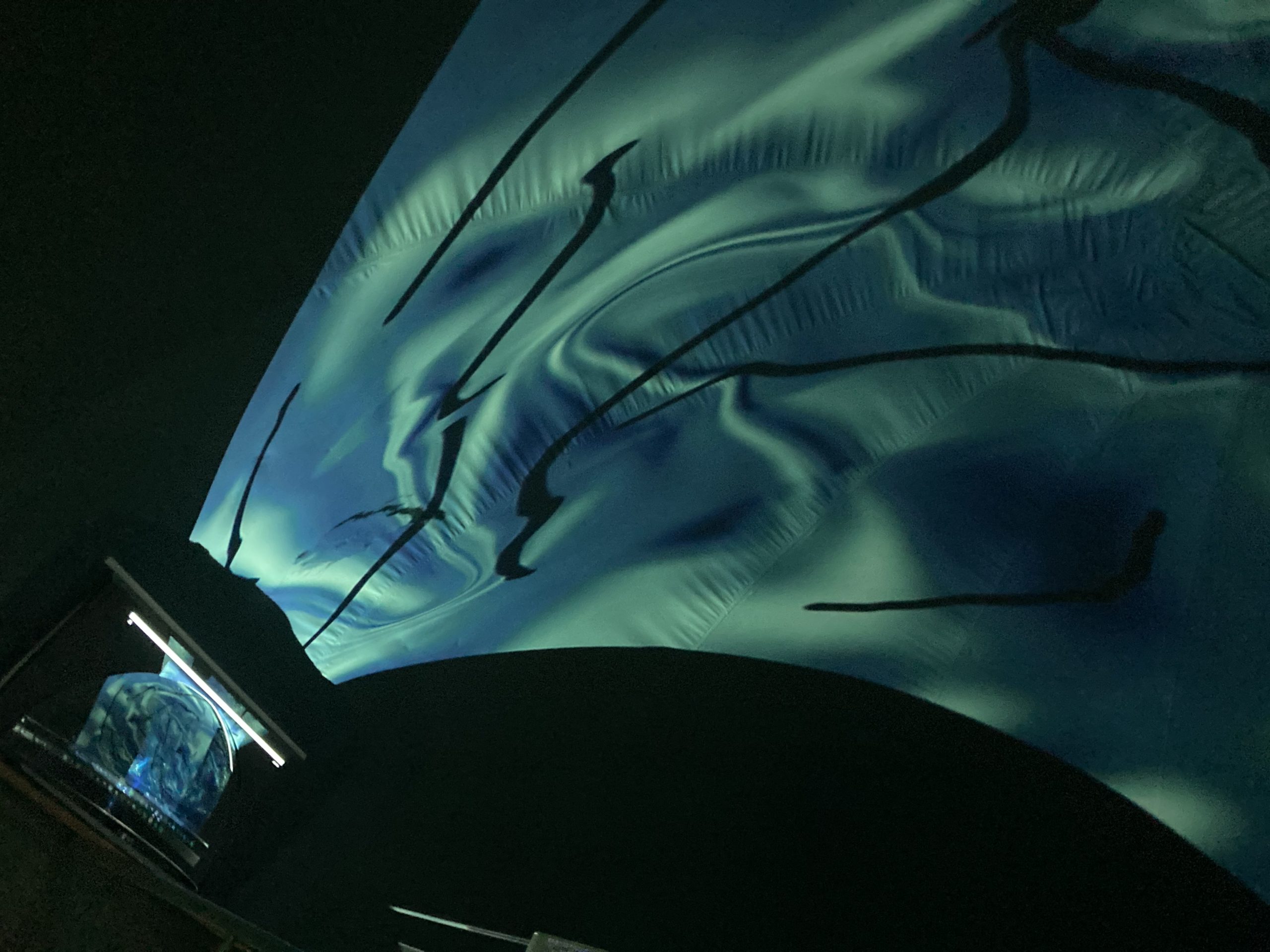
I wanted to use to different perspectives with the shadows I wanted to use first person then I wanted to use 2d. My thought process was trying and make it kind of like duck hunt. It was difficult trying to move my flashlight and to make it look like the first person was looking back and forth while trying to lower the objects I would like to work more on this to try and fix some of the shadows.