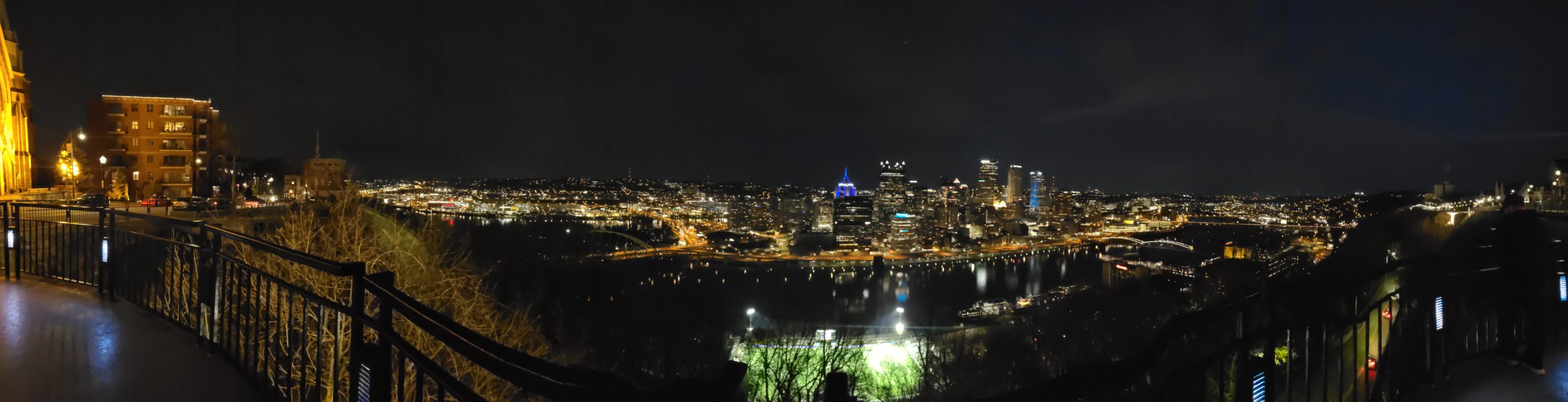
My rules consisted of:
- Must be shot outdoors
- Must be in black and white
- Actor cannot look directly into the camera

design courses, syllabi, schedules, resources and policies
My rules consisted of:
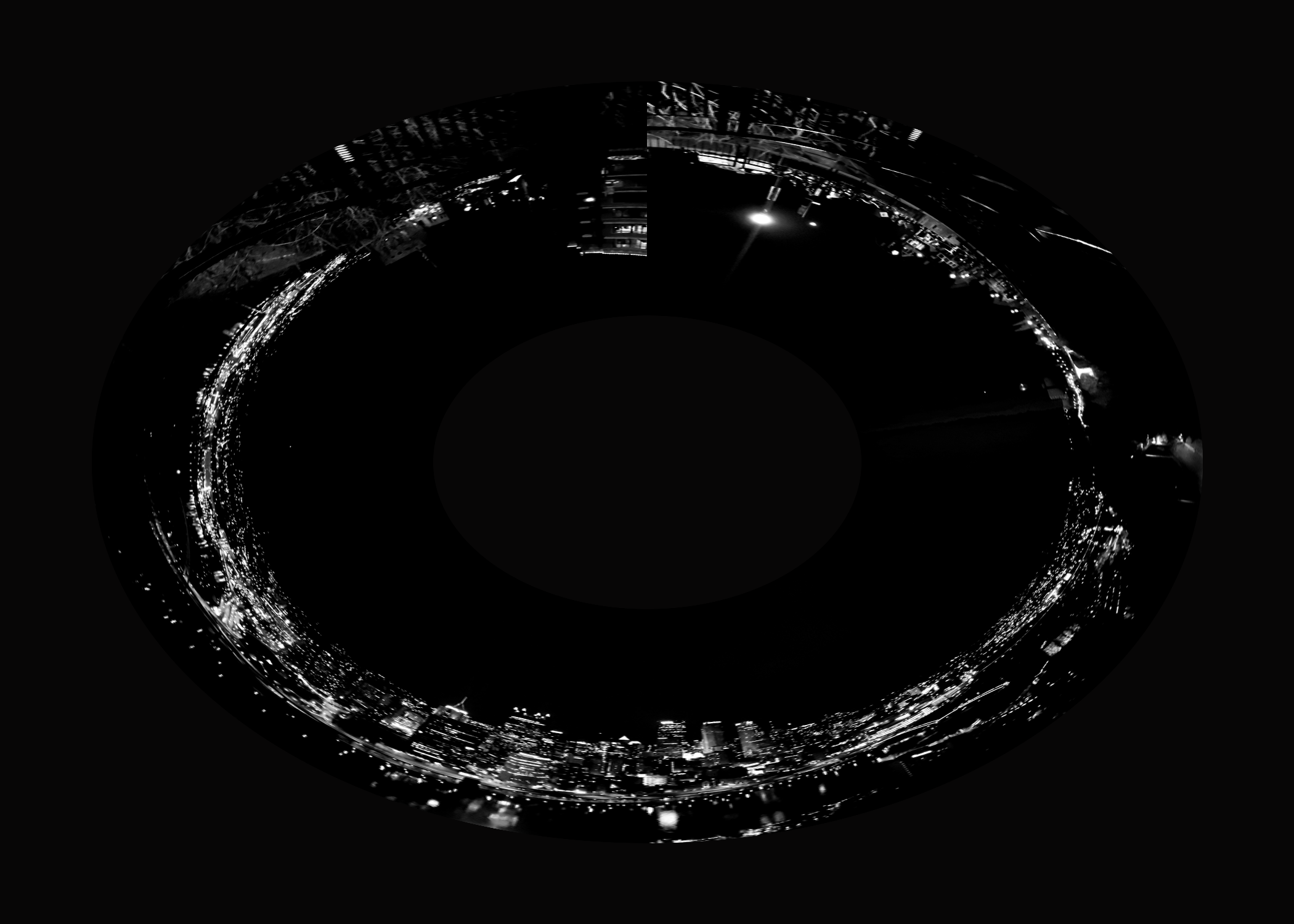
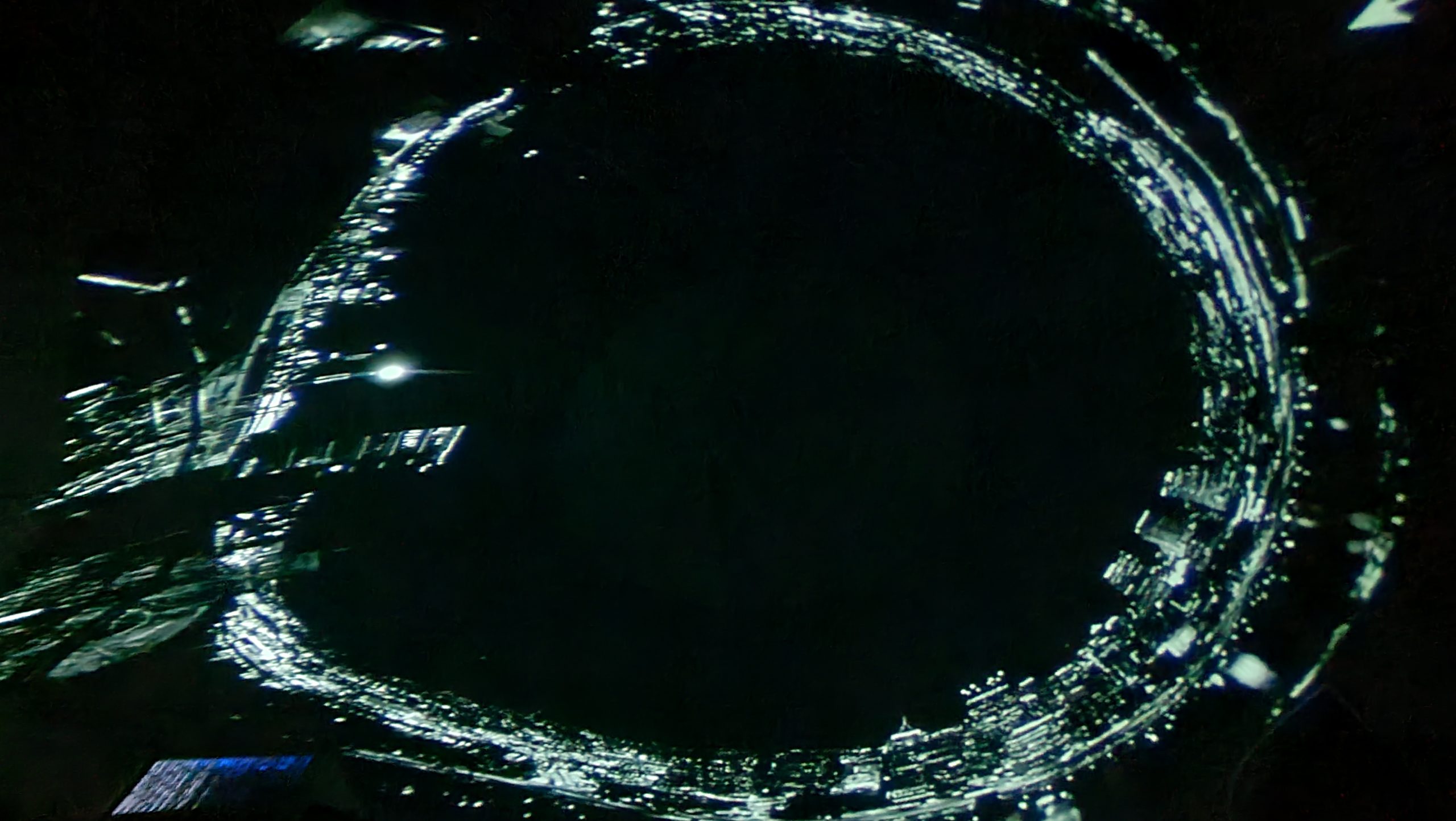
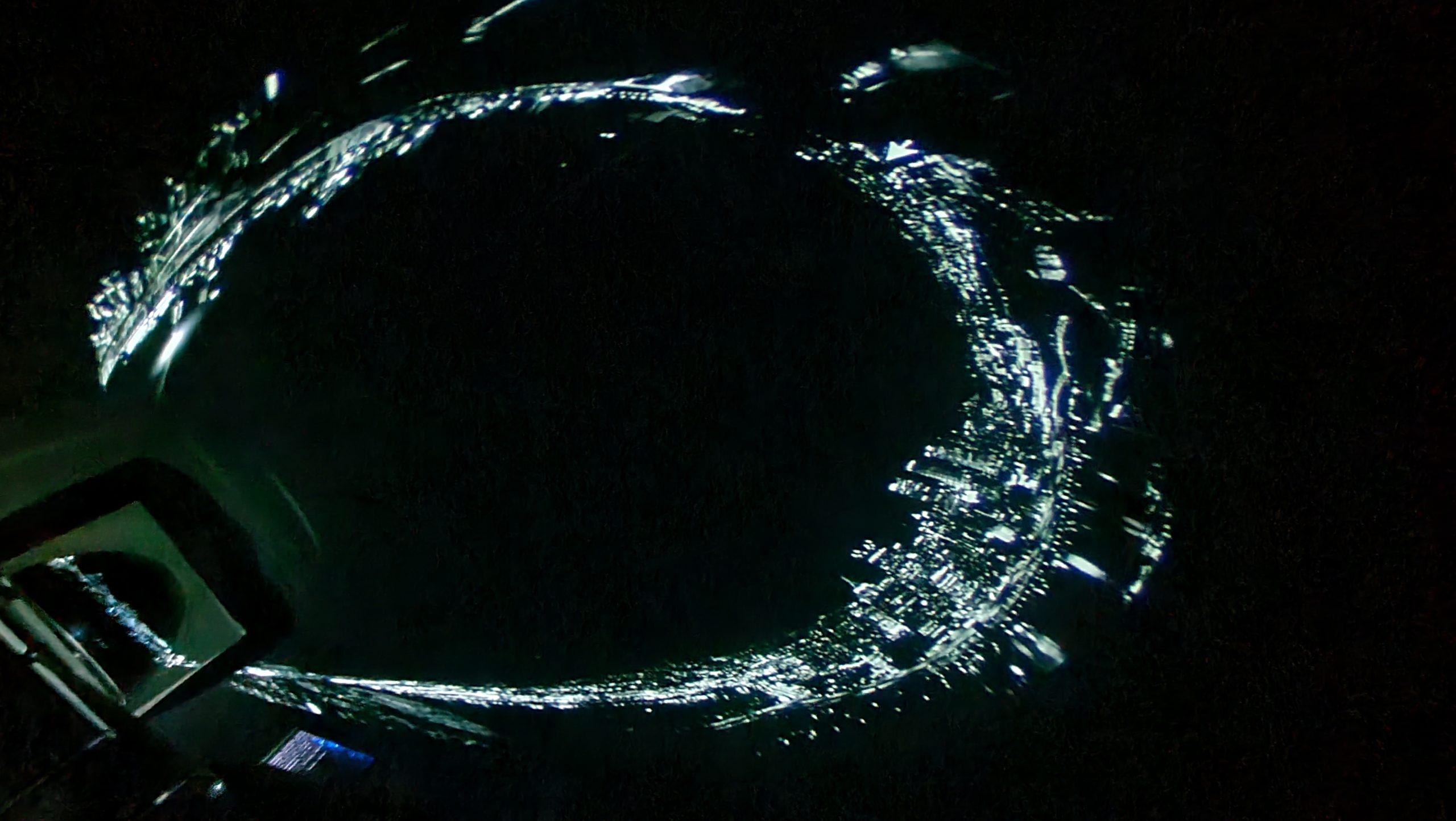
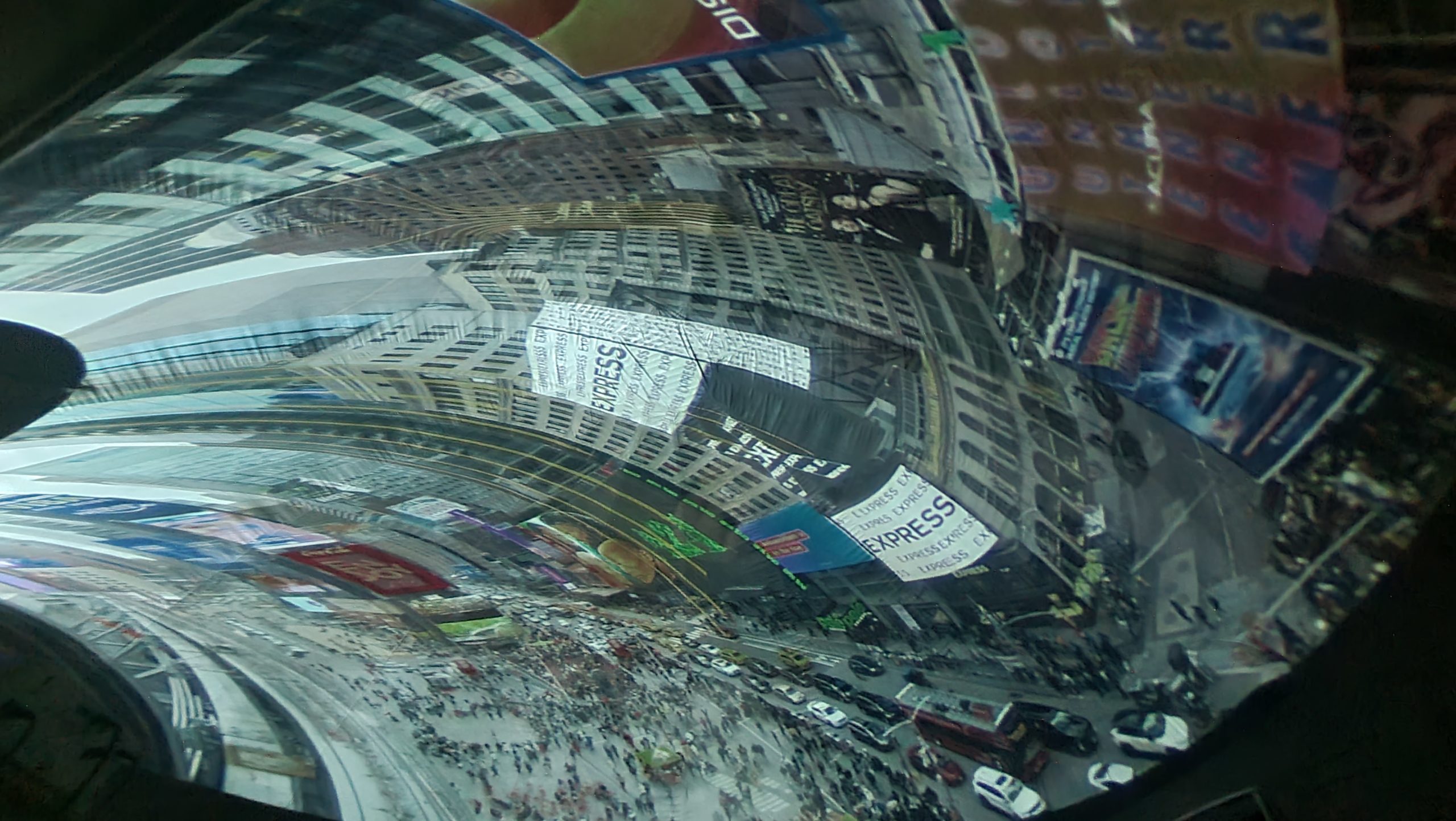
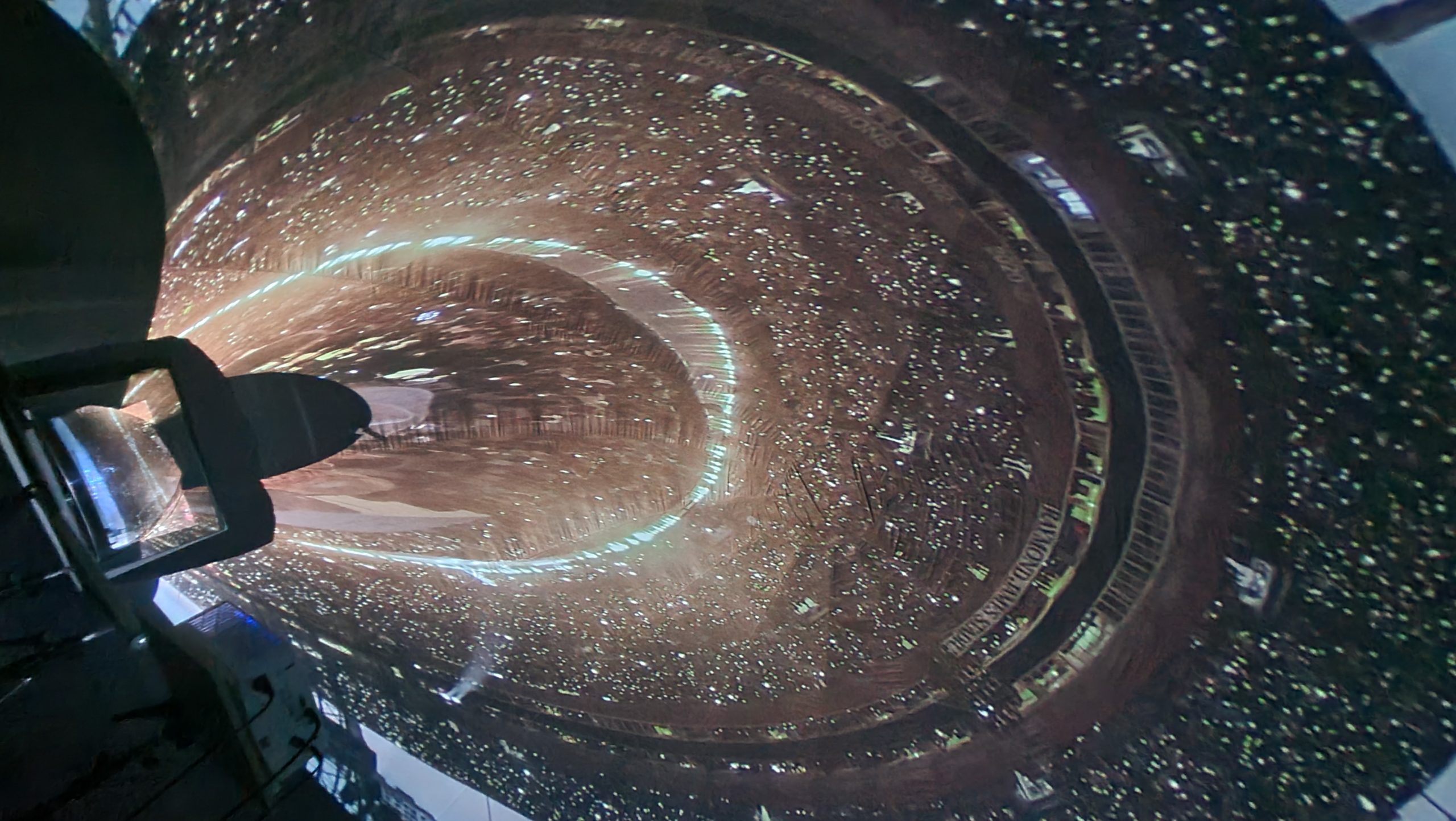
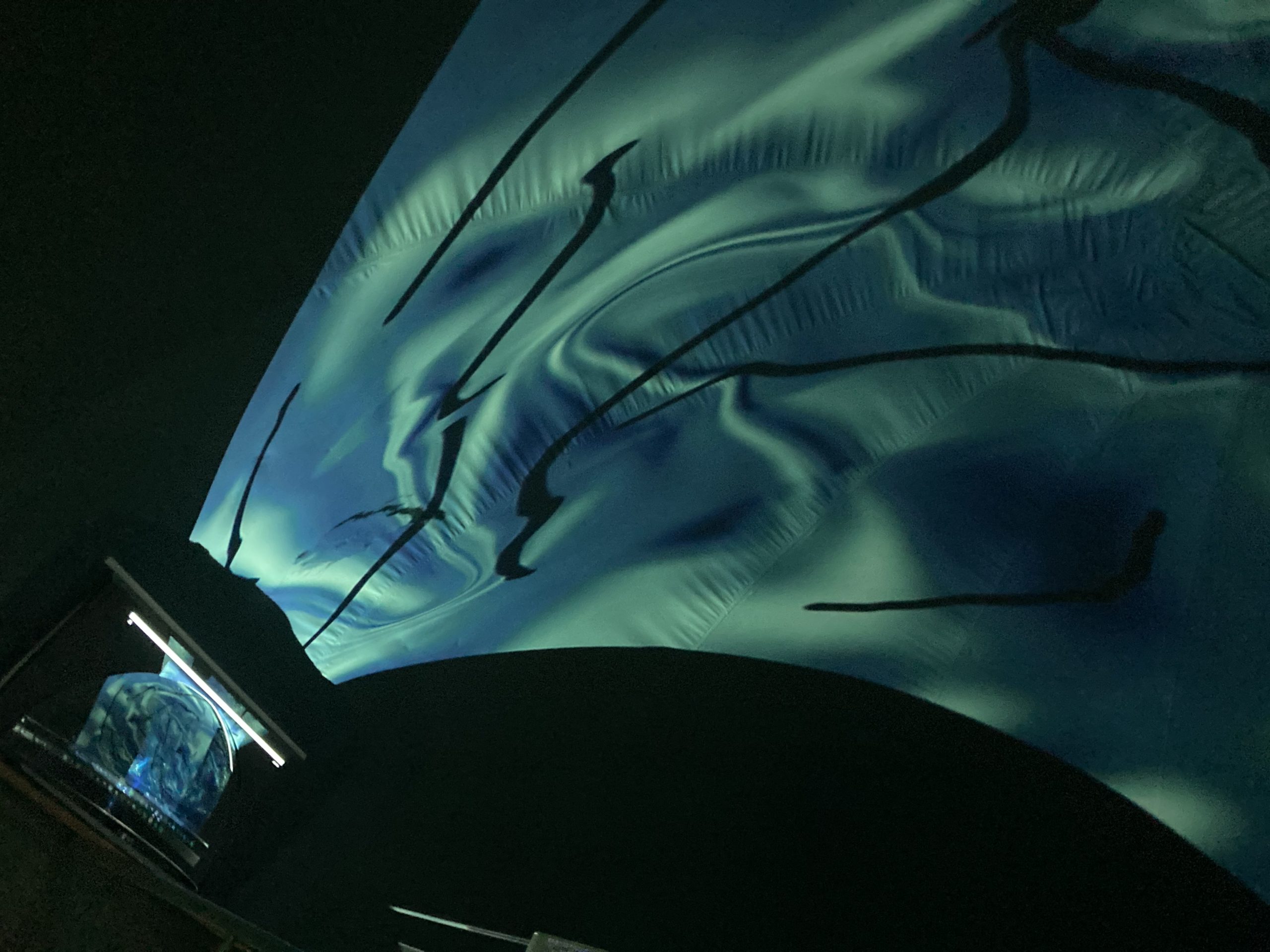
The goal of this project was to combine self portrait of my life and growth throughout my Freshman year dealing with self-isolation and loneliness. I combined the self-portrait aspect with the 360 camera and documented my work in the Dome. I hope you find something within this piece whether it resonates or you have experience something similar.


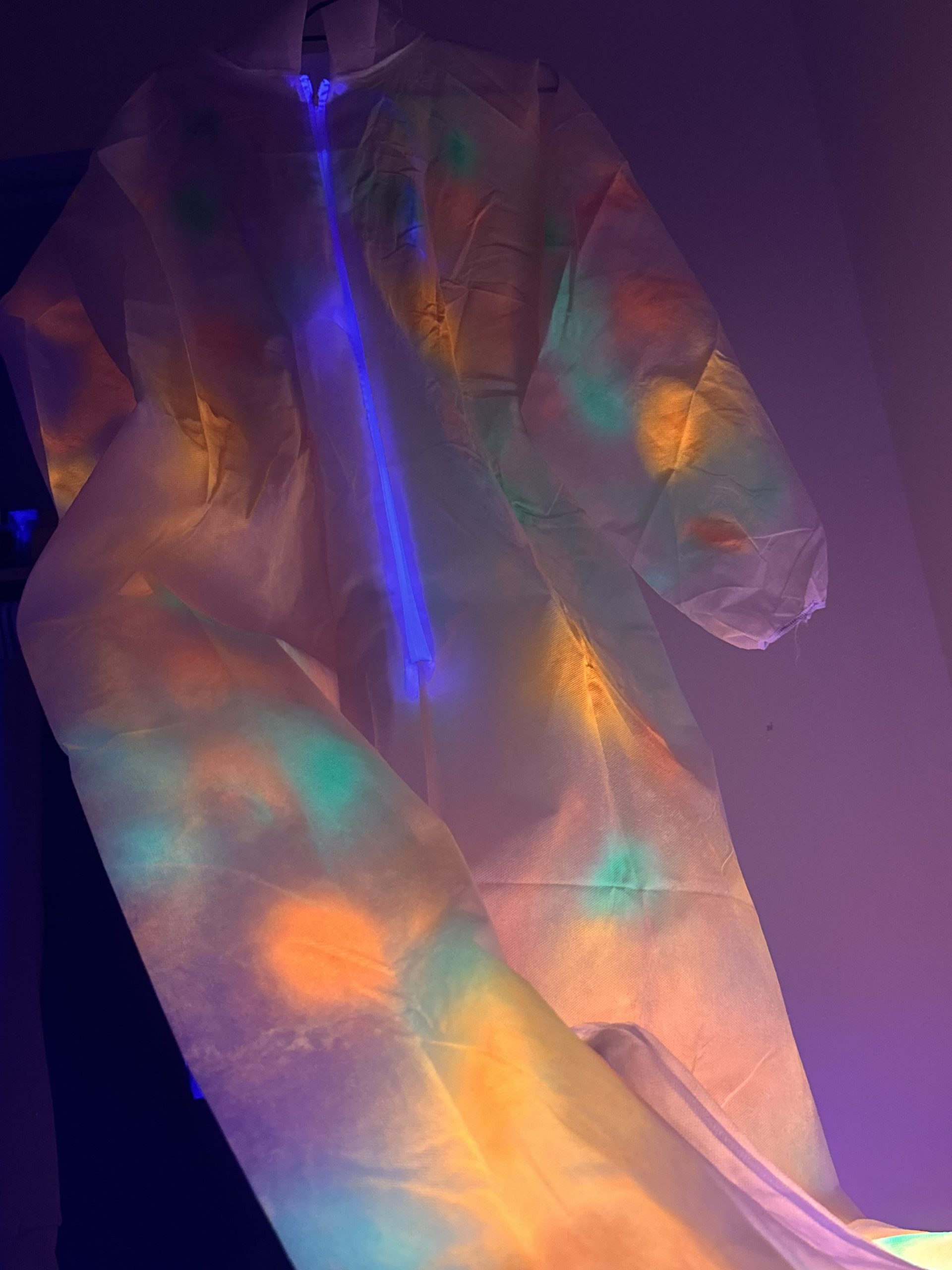
When planning a light project that involves glow-in-the-dark elements and ultraviolet (UV) lighting, there are several factors and challenges to consider, especially when using specific materials and technologies such as glow-in-the-dark paint, black lights, and Tyvek suits. Here’s an expanded look at how to approach such a project, considering the tools and challenges mentioned:
Glow-in-the-dark paint absorbs light and then releases it slowly over time, creating a glowing effect in dark environments. This type of paint is typically phosphorescent and can be used on various surfaces
A common challenge with glow-in-the-dark spray paint is that it often requires activation by a strong light source before it will glow. UV light is particularly effective for this purpose. However, some users might expect these paints to glow without prior exposure to light or may not realize the intensity of light needed for activation.
Black lights emit UV light, which is invisible to the naked eye but can cause certain materials to fluoresce or appear to glow in the dark.
A significant limitation of relying on UV-reactive materials (including some glow-in-the-dark paints) is that their glowing effect is only visible under UV light. Once the UV light source is turned off, these materials will stop glowing. This dependence on continuous UV exposure can be a limitation for projects intended to glow independently of an external light source.
Tyvek suits are made from high-density polyethylene fibers, offering a balance of protection, durability, and comfort. They are often used in industrial and artistic applications to protect the wearer from chemicals or paint overspray.
For a project involving a Tyvek suit, applying glow-in-the-dark paint or UV-reactive paint can transform the suit into a glowing outfit under the right conditions (i.e., after exposure to UV light or in the presence of a black light).