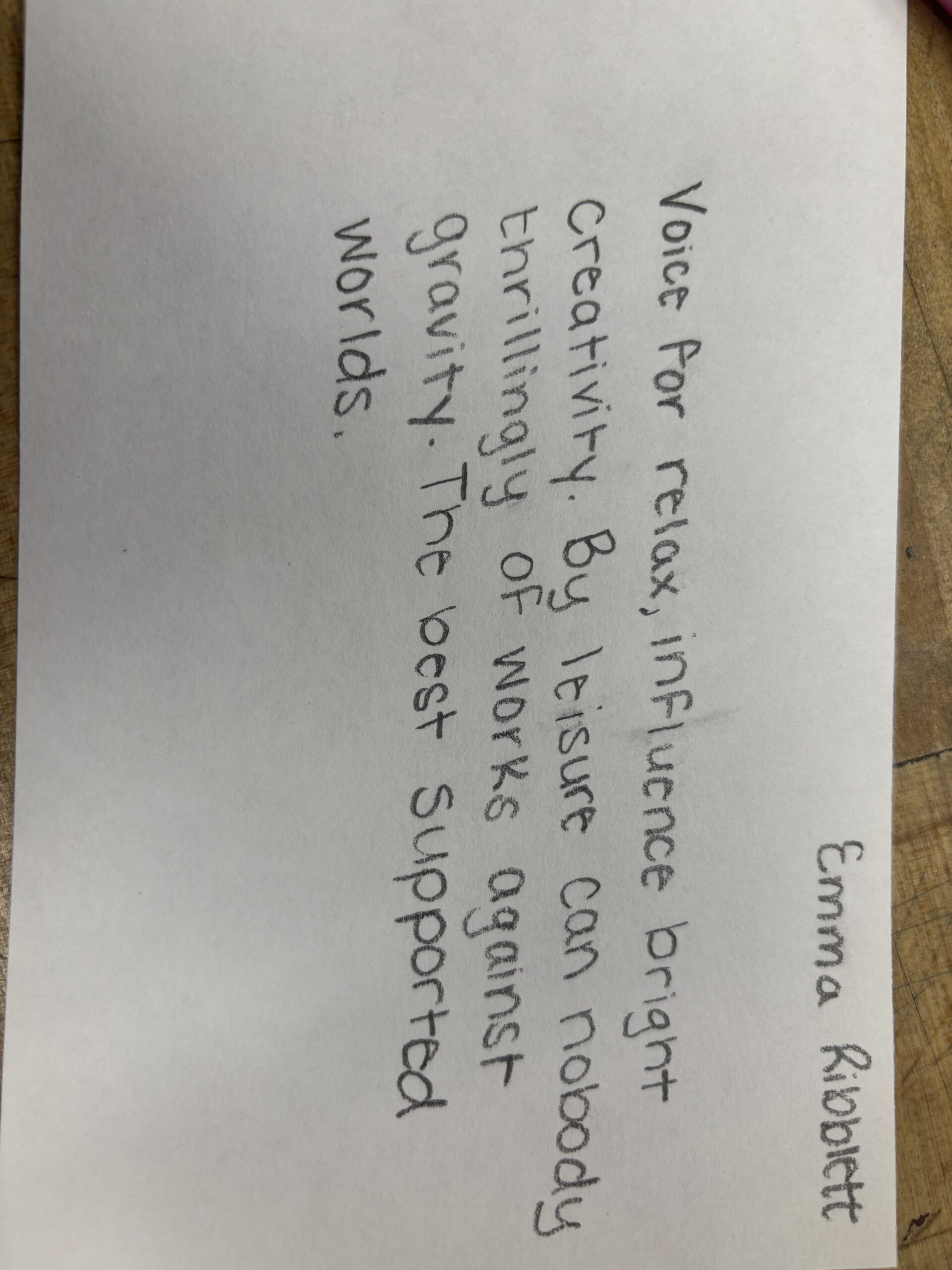
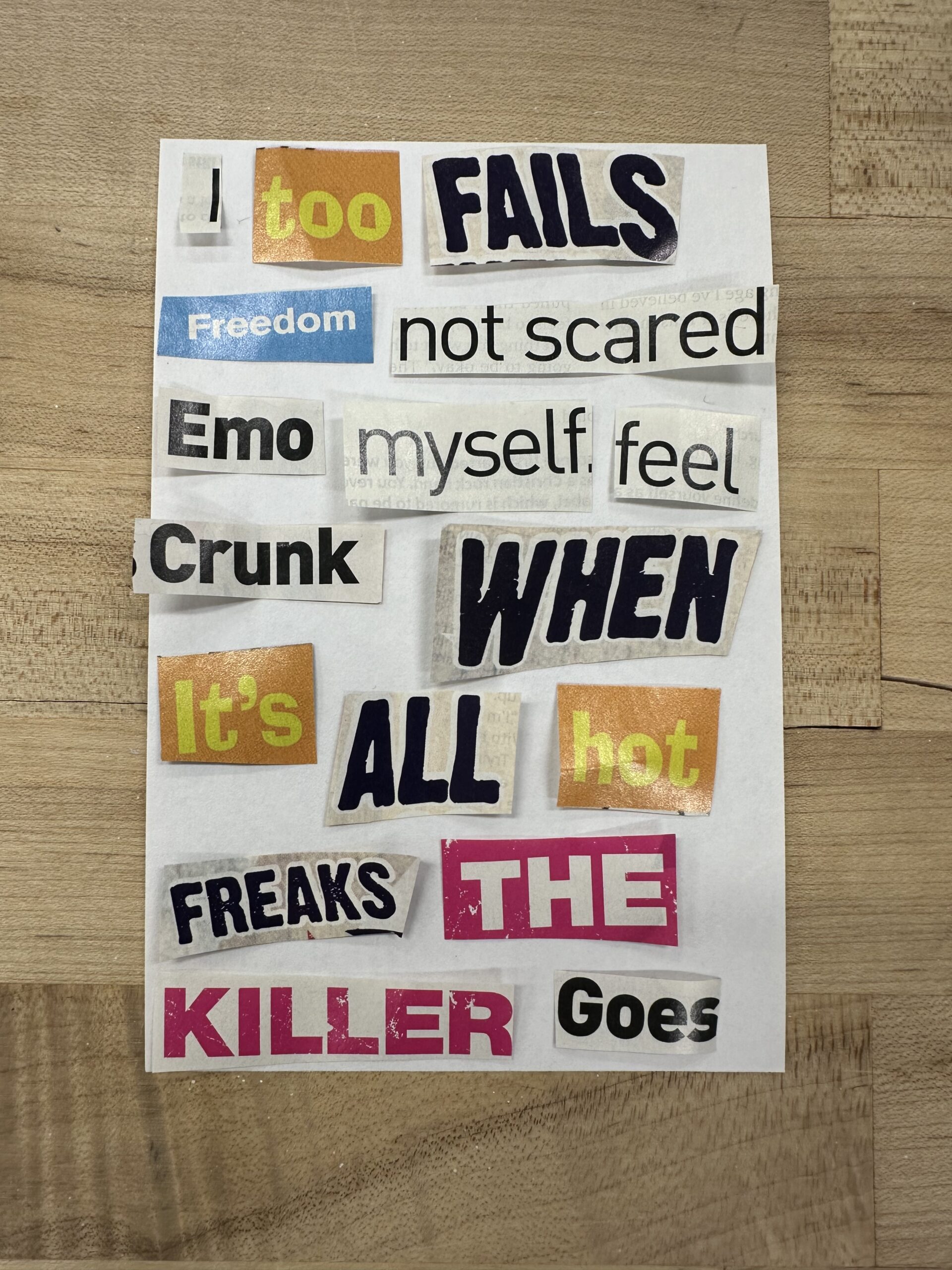
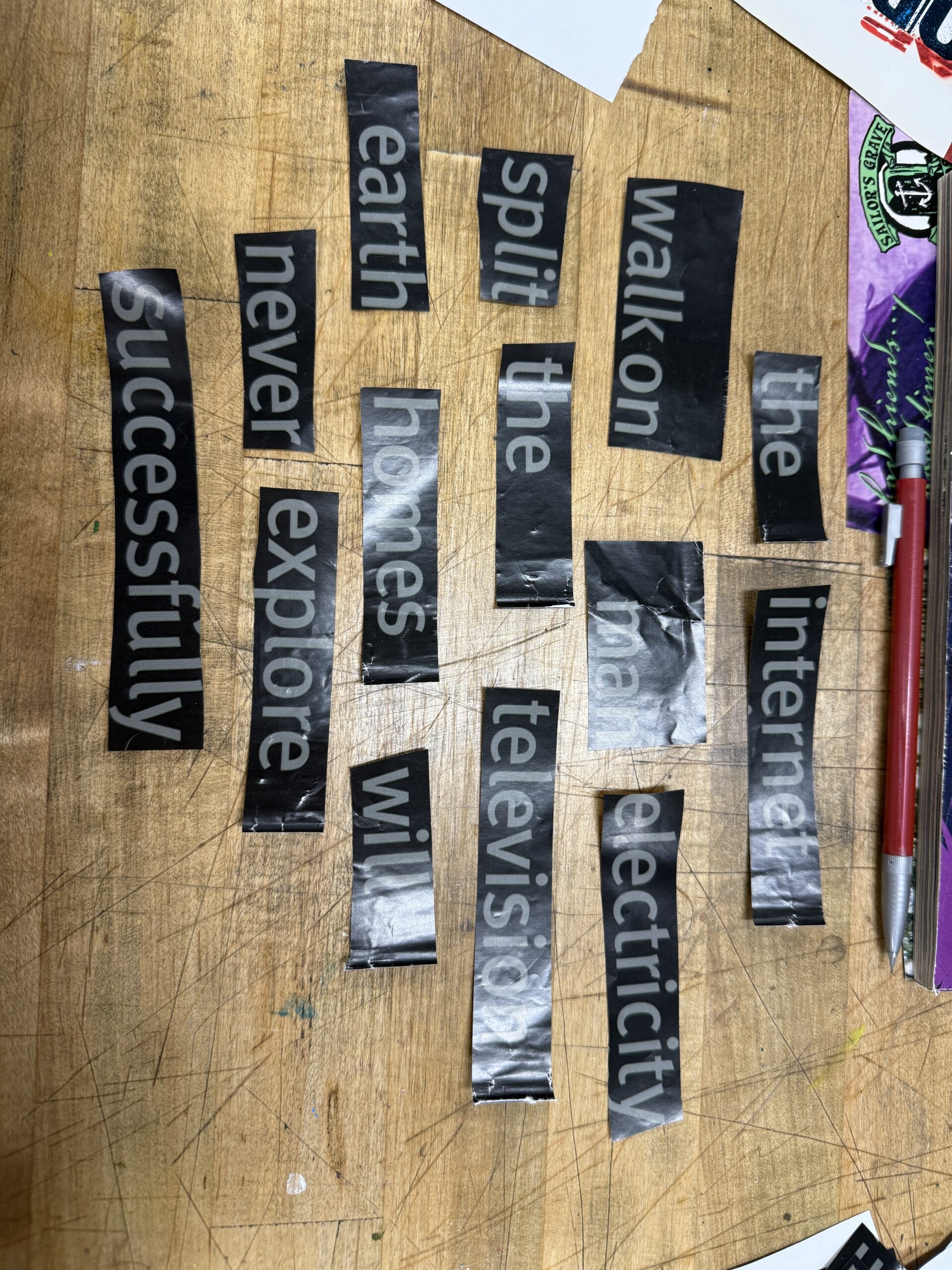
Dadaist Poem-Emma Ribblett
design courses, syllabi, schedules, resources and policies
Fire truth heard,
carpet designs available,
in couples my cooks about,
the logic about identity
if you enjoy home, your myself.
Alana Tush
Crossing the bridge thoughts- I wasn’t in class so I didn’t get to see it played, but I looked up images and it looks similar to some of the other games as have looked up where you have to walk and maneuver through things with the character. It also looks similar to some modern-ish games like stick ninja or something.
What learning games have you played?
Cool math games is still fun and sum dog used to be the shit in elementary school. At the time I didn’t think I was actually learning anything or at least practicing math but it is an effective way to keep kids sharp. While I liked cool math games better, I think sumdog was a better learning game because it wasn’t as broad as cool math games.
What is ian bogost’s argument and do you agree?
His argument is that “gamification is marketing bullshit, invented by consultants as a means to capture the wild, coveted beast that is video games and to domesticate it for use in the grey, hopeless wasteland of big business, where bullshit already reigns anyway.” I agree with him, while I’m not well versed in the game community, all marketing has some twisted/ or un-true element to entice consumers.
What is a serious game and why aren’t they chocolate covered broccoli?
Serious Gaming is used to teach and provide a message. “Games that blur the line between fun and education”…can be called chocolate covered broccoli. “A coating of sweet does not make the learning suddenly fun.”
New ideas for a serious game
1. Match statistics/facts with things in nature to learn about how the environment is being effected by humans
2. Fill out a bingo card of common items that are over consumed and see the amount of over consumption you participate in. For example- owning more than 5 reusable water bottles
3. kids game where they have to practice multiplication to collect items in the grocery store to complete a recipe card. The reward is being able to cook or bake the recipe
Flanagan emphasizes that games can be seen as a form of cultural expression, while Crawford sees games as systems of interaction, focusing on the idea that games are interactive stories. Salen and Zimmerman define games more formally as structured activities
An activist game is a game designed with the intention of making a political, social, or cultural statement.
Checkers, Tic tac toe, connect four
Chance or gambling games may have held spiritual or religious significance because they represent the unpredictability of life or the will of the gods.
One of the earliest recorded battles over games can be traced back to ancient Rome, where authorities sought to limit or ban games of chance like dice. In more recent years, D&D has been demonized.
A fox game refers to a game that involves trickery, manipulation, or misdirection. A modern example would be Mafia.
Mansion of Happiness was a board game that was designed to teach children about virtue and the consequences of their actions.
Fluxus artists were interested in the breakdown of traditional art forms and the idea of making art part of everyday life, while Surealists believed that games could reveal the unconscious mind and inspire creativity.
Changes in the social, cultural, or political environment can signal changes in the design and purpose of games.
By reskinning games like Monopoly and Ping Pong, Fluxus artists were challenging the commercialization of play.
These artists have engaged with war games as a means of avoiding traditional understandings of conflict and violence.
Agency in serious games is important because it allows players to feel that their actions have consequences.
I have played Behaviorism games (Duolingo), constructivism games (say minecraft), and social constructivism (fortnite). I personally like constructivism games, since they keep the player engaged and you have to take initiative.
He argues that gamification reduces the complexities of human motivation. I think there’s truth to Bogost’s critique, especially when gamification is used in a way that feels artificial. I have personally seen it in health apps.
A serious game is a game designed for a purpose beyond entertainment, such as education, training, or social change. The reason they aren’t choccy broccy is because serious games are designed to engage and entertain while still serving a meaningful purpose.
Alana Tush
Class Discussion thoughts- I didn’t grow up playing many games, and I don’t really do so now, so I was pretty lost when everyone was discussing their thoughts on the games being presented.
Dumb Ways to Die Thoughts- what was played in class seemed to be an updated version of the game, I remember some of the levels, but some were new. I played this game a lot on my I pod touch J. It was fun when I was younger but now it just seems stupid.
Fake it to Make it Thoughts- I thought this game was a good way to show how fake news is spread. It spreads more awareness of how gullible we are than actually having fun playing the game.
Cast Your Vote Thoughts- this game shows the player how to cast a vote and shows how important it is to make an educated decision rather than blindly voting.
Generate a list of five game ideas that revolve around the theme of empathy. Wrinkle: Take one of the five ideas and make it an alternate reality game.
Kindness Bingo– complete acts of kindness to fill a bingo card, encouraging positive behavior.
Feelings Charades– act out emotions, helping players recognize and empathize with different feelings.
Role Reversal- Players switch roles in a scenario, (parent/child, professor/student) to experience challenges from each other’s point of view
From chapter 1:
How does Mary Flanagan’s definition of game differ from chris Crawford’s as well as the definition crafted by Katie Salen and Eric Zimmerman?
Mary Flanagan’s definition- “Games can be thought of more productively as situations with guidelines and procedures.”
Chris Crawford’s definition- Games can evolve, and rules may shift at certain points in a game and can change with the player’s actions.”
Katie Salen and Eric Zimmerman definition- “system in which players engage in an artificial conflict, defined by rules, that results in a quantifiable outcome.”
Mary Flanagan’s definition has less structure than Katie Salem and Eric Zimmermans’ outline of a game.
What is an activist game?
Activist games have emphasis on social issues, education, and intervention. They are games that engage in a social issues through: themes, narratives, roles, settings, goals, and characters.
From chapter 3:
– Go and chess are examples of games that feature “perfect information”, what other games share that feature?
Perfect information- “all the information constituting the system of the game is visible on the game board at all times. Play in an abstract strategy game often unfolds as players move pieces on the board, creating a set of ongoing puzzles for other players to thwart.”
Examples- checkers, scrabble?, tic tac toe
– Why might chance or gambling games hold spiritual or religious importance to ancient cultures?
They saw games as a way to connect with the powers of fate, chance, and the afterlife.
– When was the earliest battle between government/ religious groups and games? what modern games can you think of that have been banned or demonized?
European’s in the Middle Ages were captivated by the game and the church fought to forbid its play. The battle between government or religious groups and games is at least as old as this event, if not much older. When faced with the popularity of style games in Europe, the church decided to use the game to further its religious message.
– What is a fox game, and what would be a modern example?
Fox game- board games featuring unequal opponents, one player is the fox, or aggressor. Other players control or play the prey. The fox attempts to avoid the traps his opponents set all around him.
– What was the purpose or intent of the game: Mansion of Happiness?
Purpose- “Children would take these principles to heart and connect wholesome thoughts to the secular joys of competing for positions, projecting themselves into situations of good and evil, and enjoying the company of their playmates and family.” Reinforcing good morals
– Why do artists from the Fluxus and Surealist movements play games? Why did Surealists believe games might help everyone?
They play games as form of recreation and research.
– Changes in what can signal profound changes in games? How were pinball games reskinned during WW2?
Changes in the economy can signal profound changes in games. “Pinball gained widespread popularity in the United States, United Kingdom, and France, mass- produced as a popular pastime for military men.”