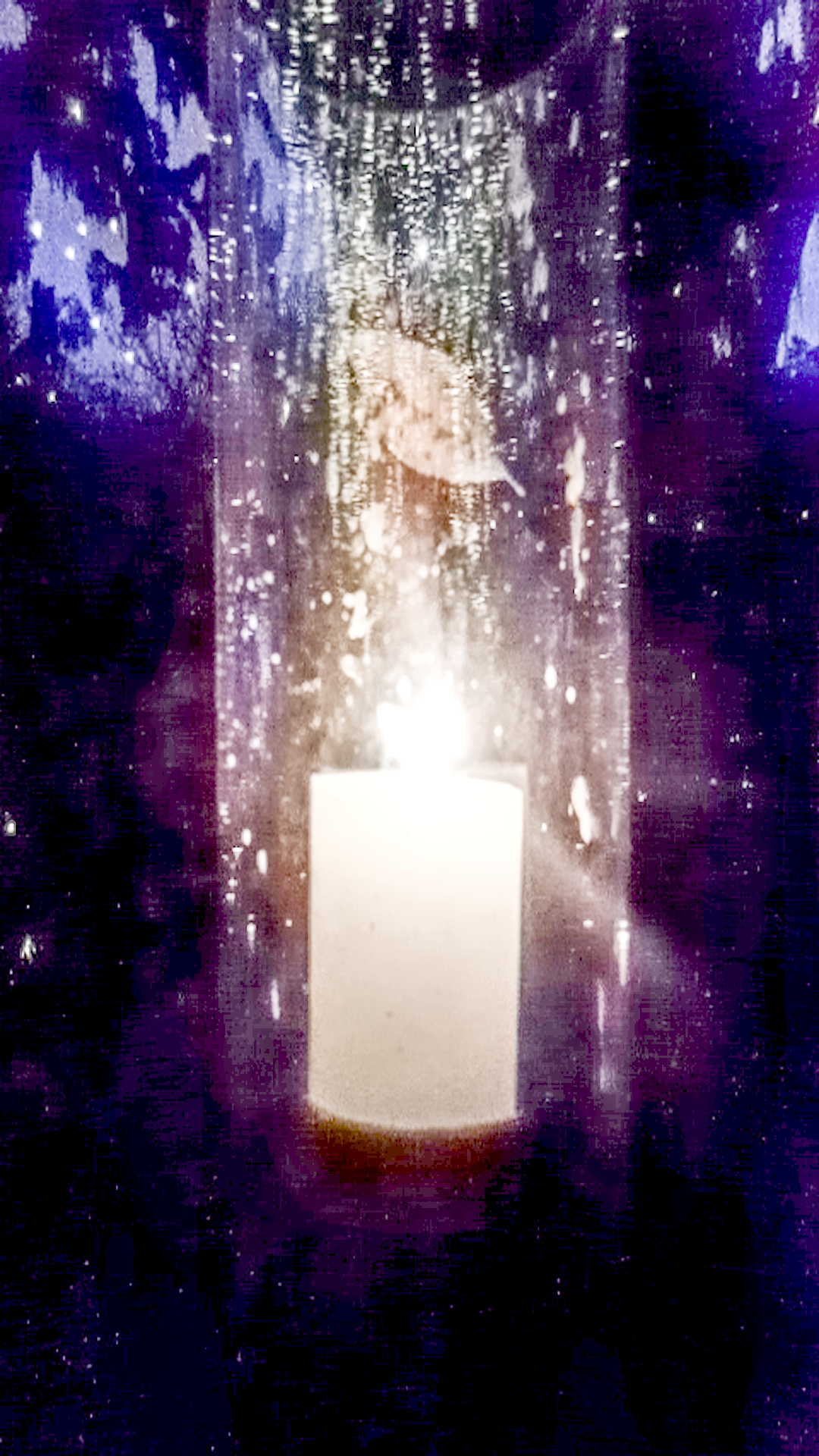
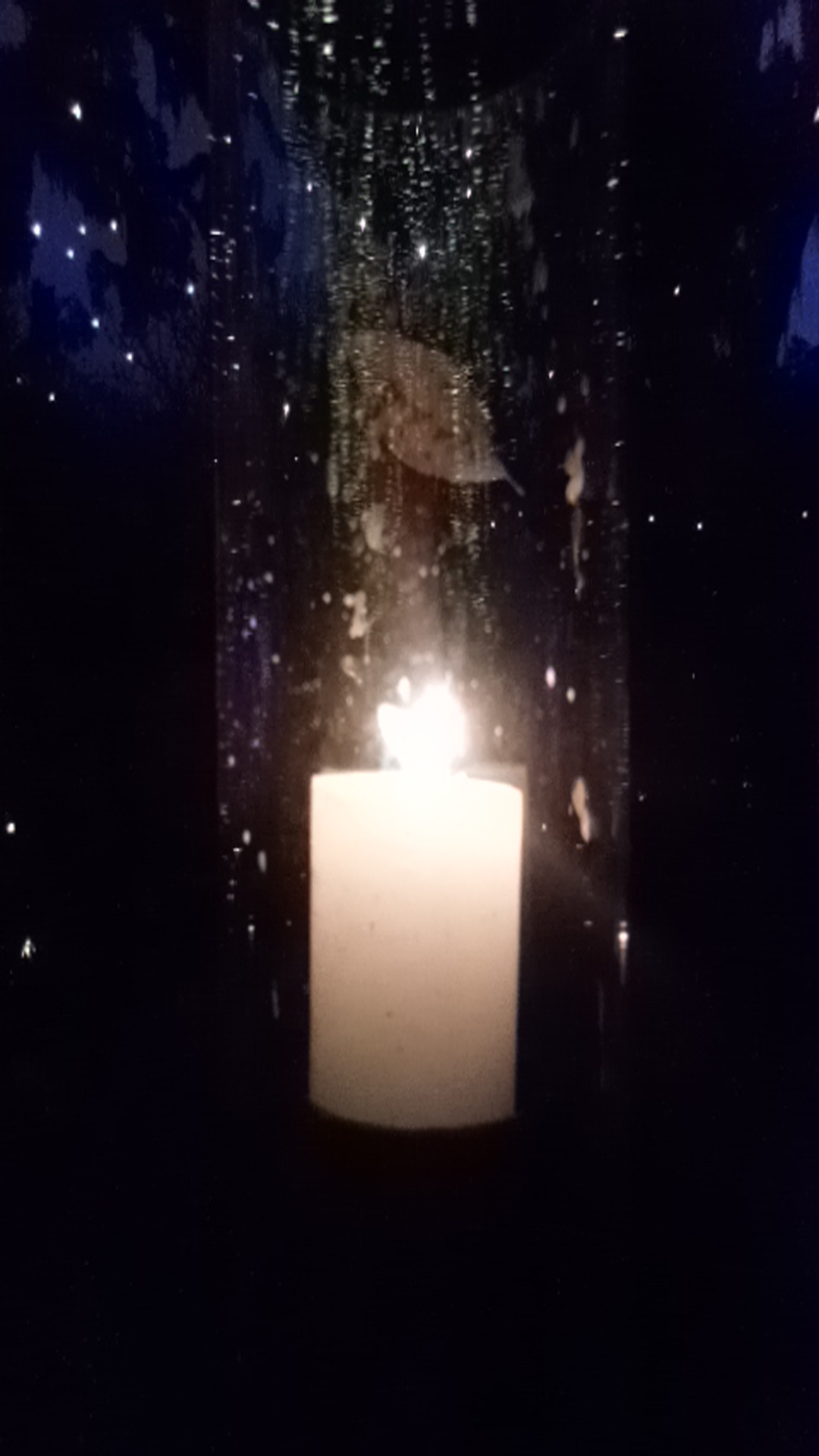
I wanted to keep it simple and focus on how lighting changes the feeling. I used one image and changed the lighting in 5 stages to show different moods.
My project is a short video set in a playground environment where a child is explored and observed through the use of a handheld flashlight. I chose to use a flashlight because it allows the light to actively follow and respond to the subject’s movements, turning light into a storytelling tool rather than just illumination. As the child thinks, jumps, sits, climbs, and slides, the shape and focus of the light shifts to match each action, highlighting specific moments and guiding the viewer’s attention. The light not only reveals the space but also creates a playful and dynamic atmosphere that reflects natural childhood behavior, including small imperfections like slipping or sliding back while climbing. By recording these moments, the project captures a simple and familiar experience, while demonstrating how light can shape perception, emphasize action, and transform an ordinary environment into an engaging and immersive story.
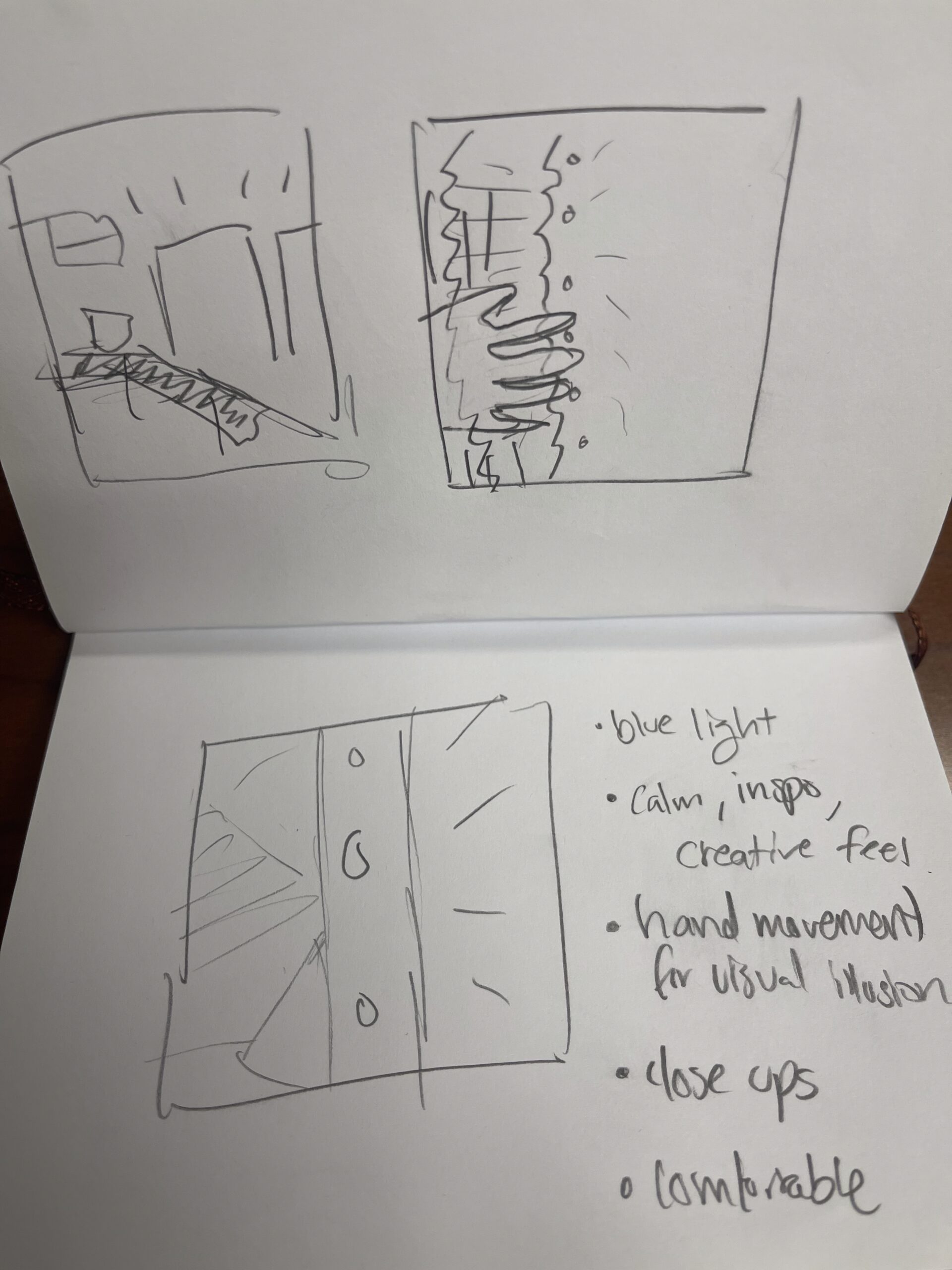
For my study, I decided to experiment with the back podcast room in the TV Control Room in the AMC. I wanted to explore the psychological aspect of being in a space like that, and what I could do to create an illusion and different perspectives. I created a video for this after some sketches in my sketchbook. The video is an overview of that room that’s completely dark except for blue LED Strip lights and then different angles of that. Then, we zoom into the light a little bit and I put my hand in front of the strips up and down to create movement which then creates subtle illusions. This demonstrates how light can be shifted through attention, depth, and atmosphere without changing the physical environment. With more of a close up, the led creates flickering with filming it, w7hich can distort the viewers feeling and overall perception. With this showing and study, I specifically explored how the light can feel unstable or calming depending on how we interact with it. I chose to do video as my medium because I wanted to capture the changes over time and to truly immerse the viewer in shifting the psychological effects of light from calm to intense.
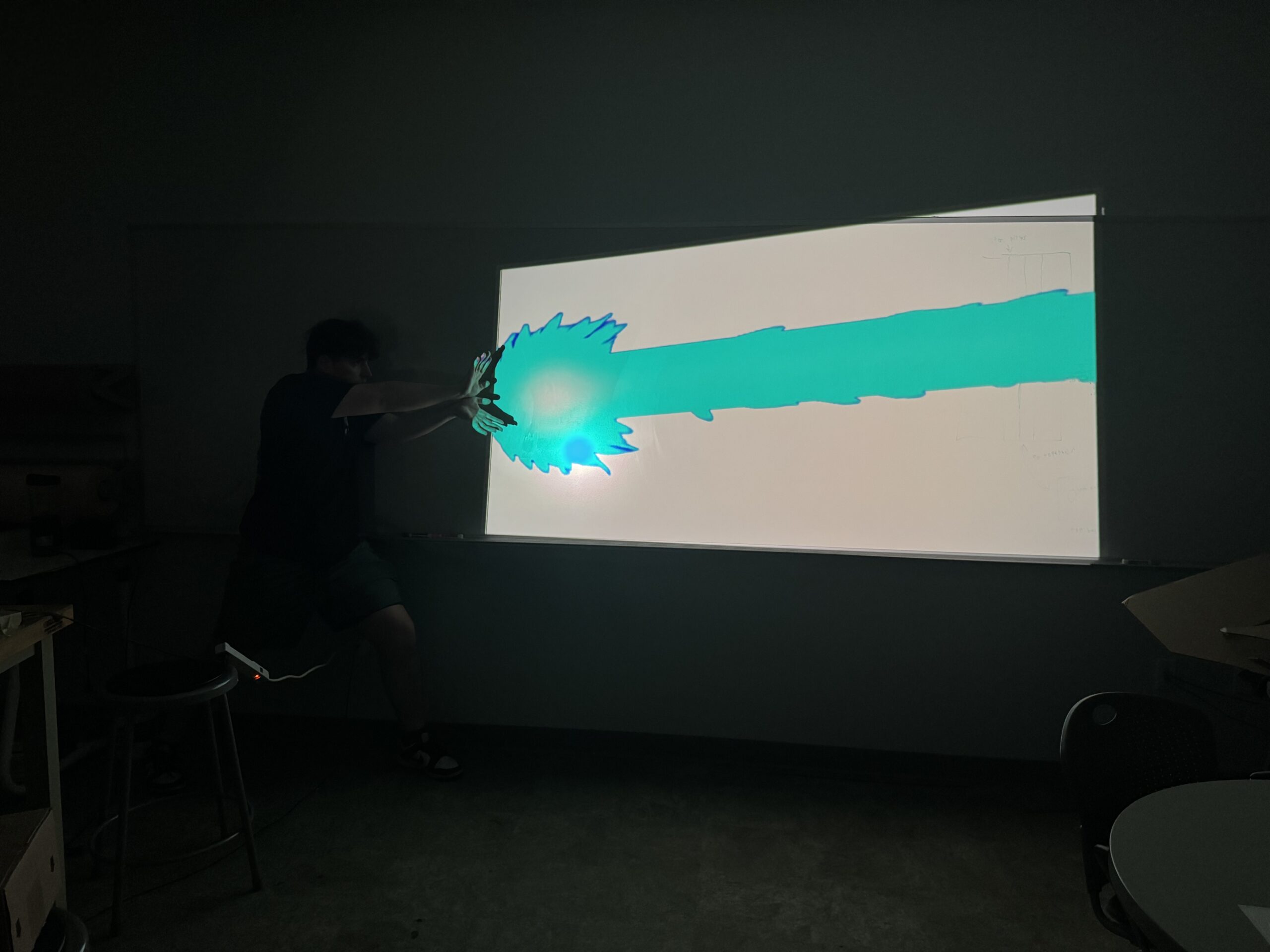
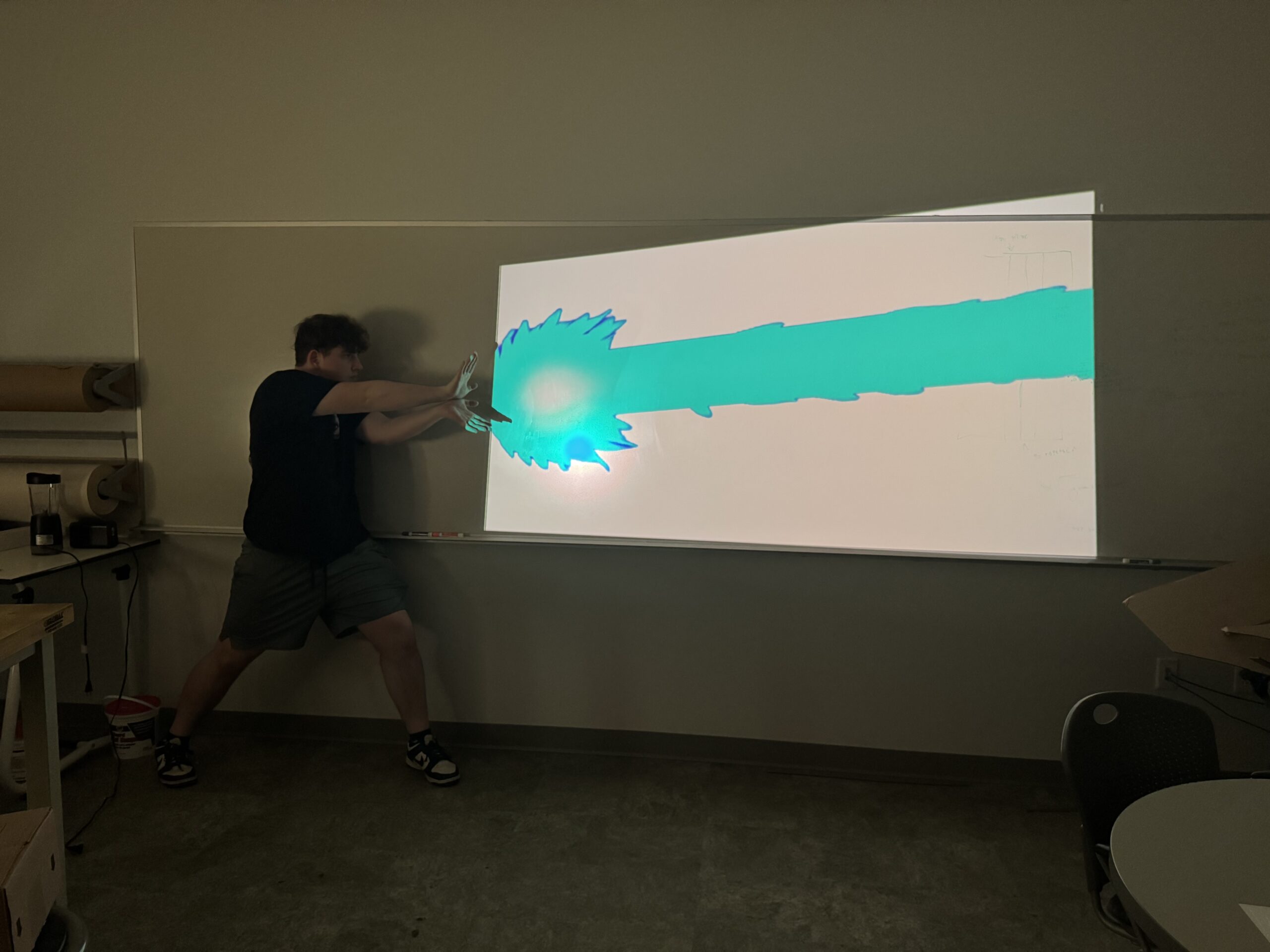
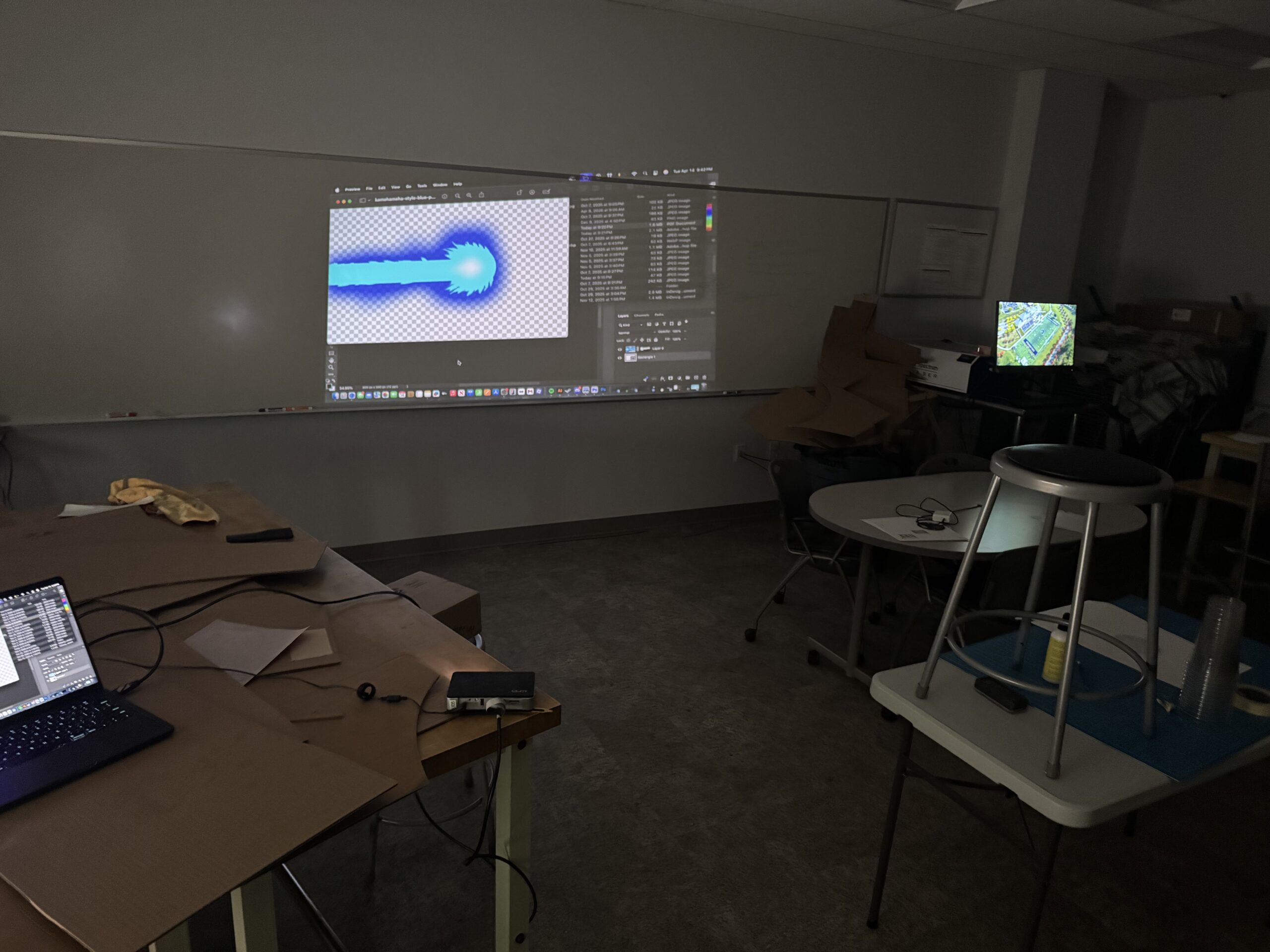
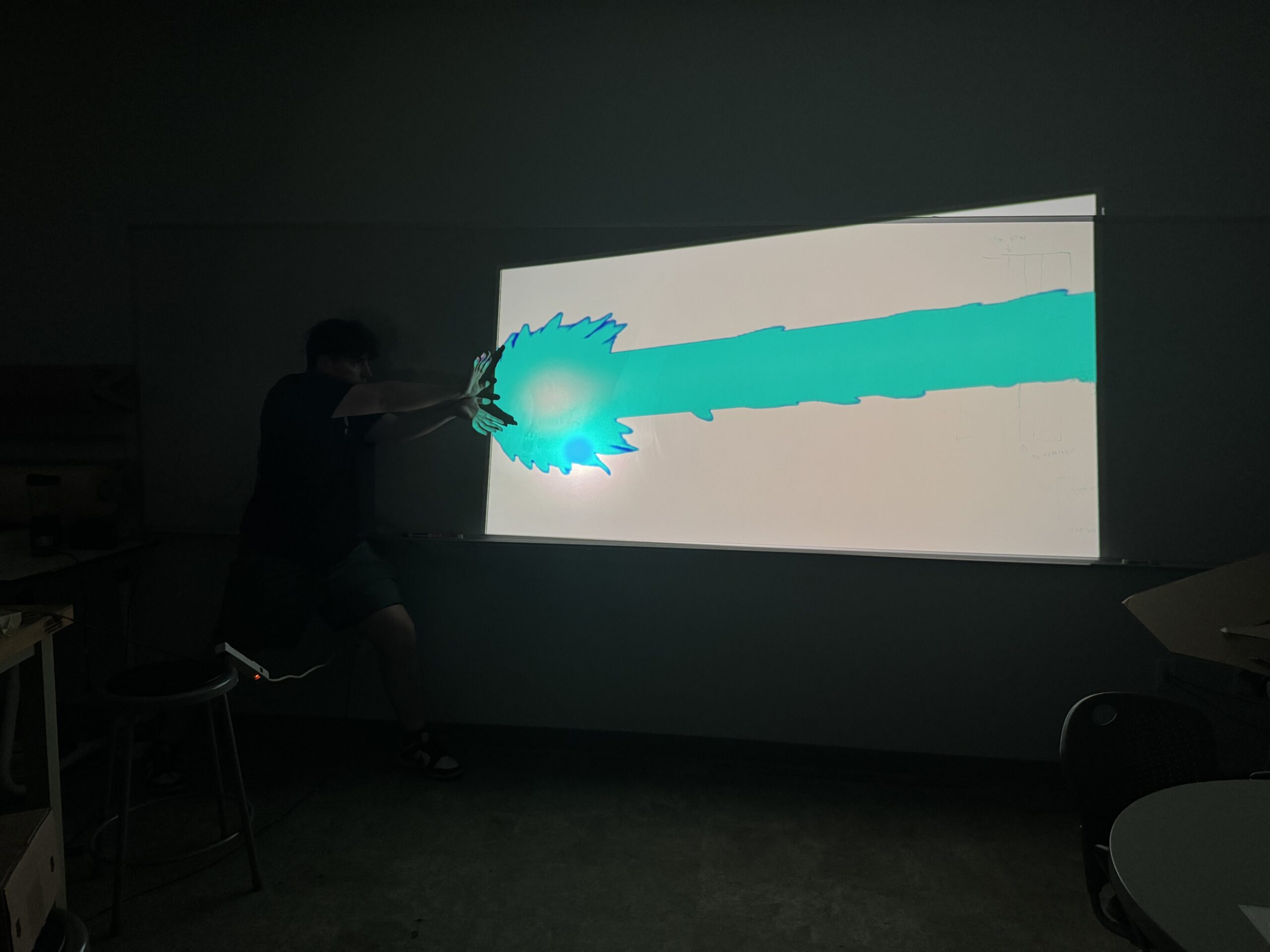
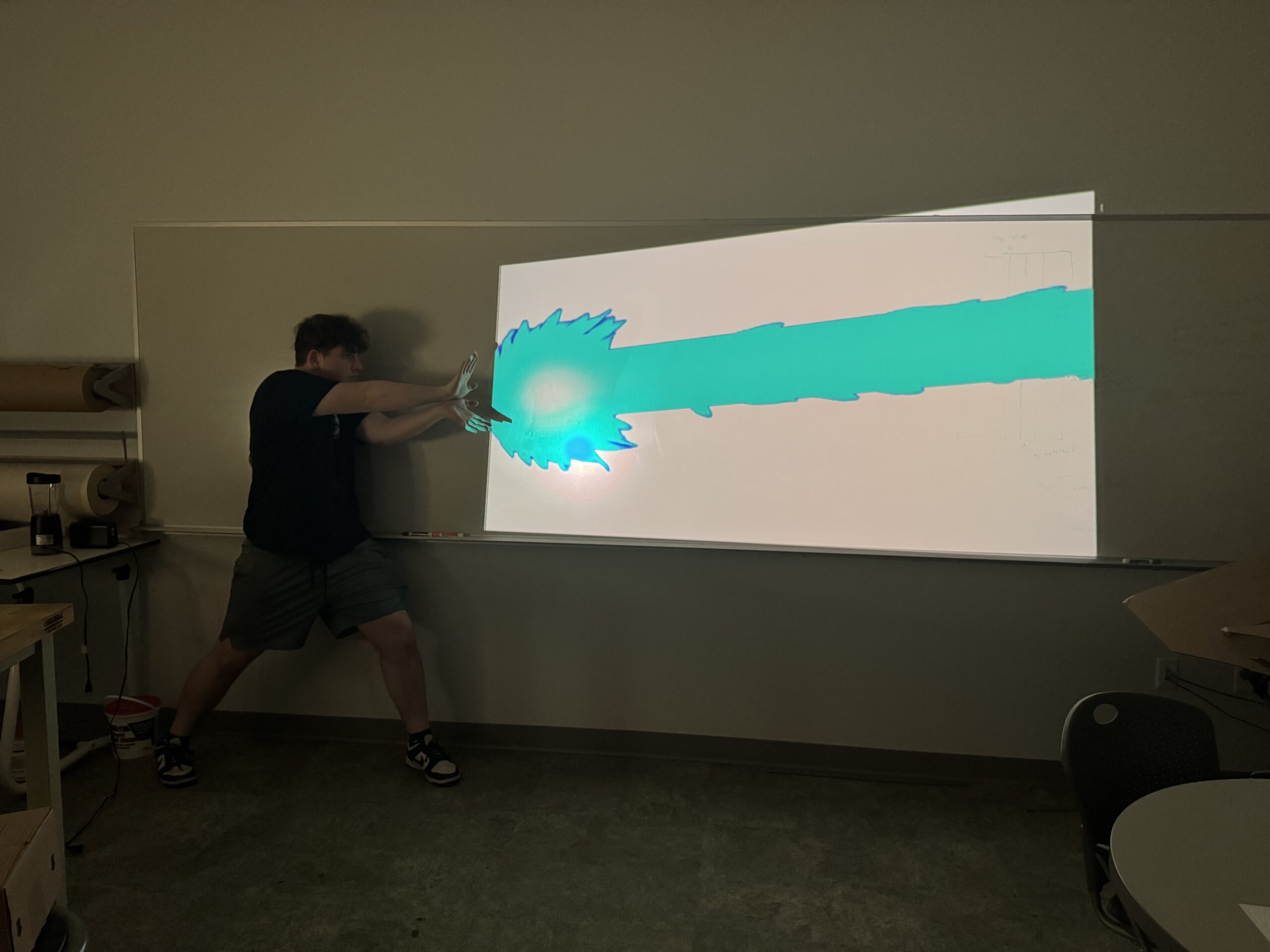
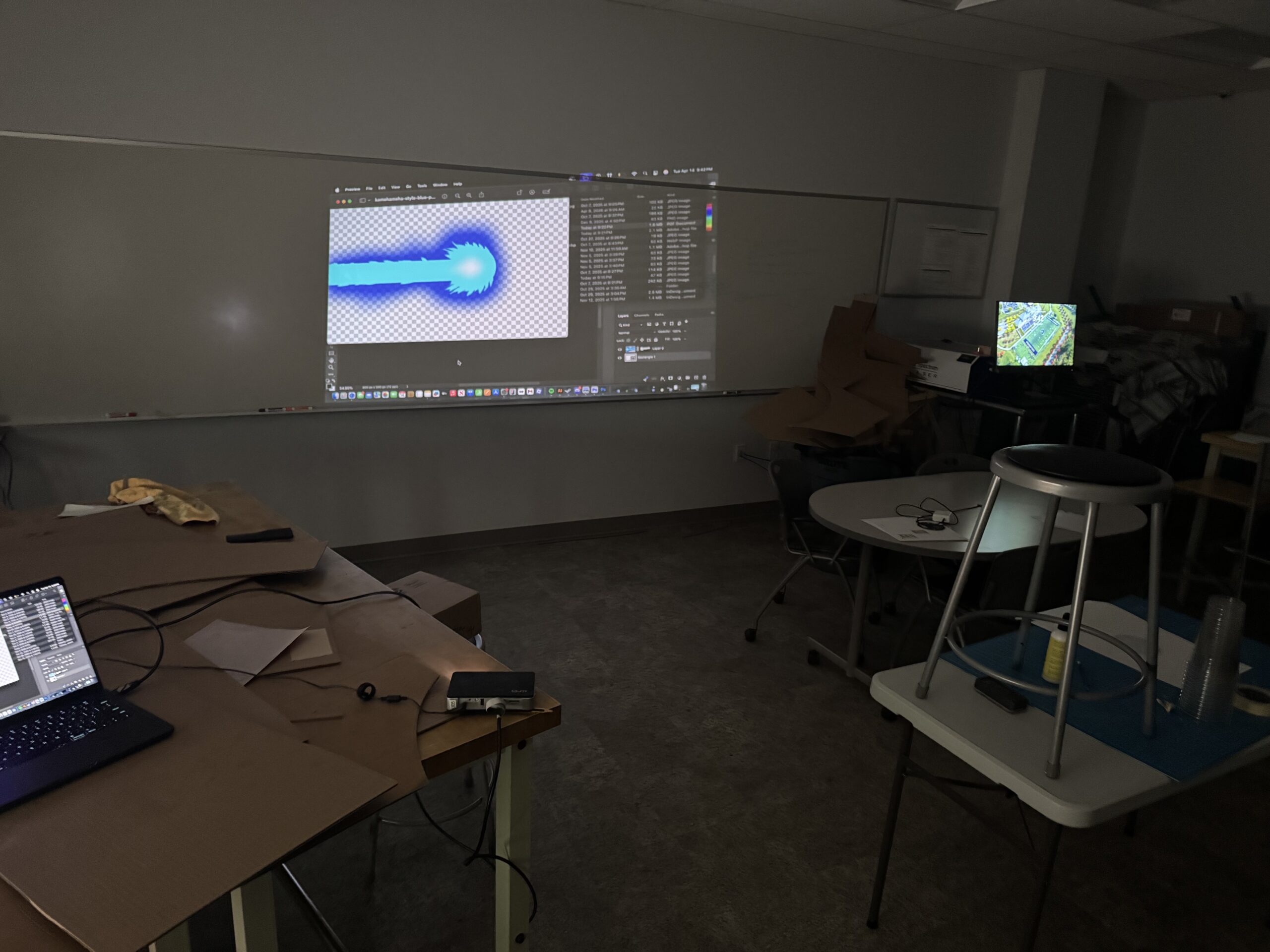
This week on Dragon Ball Z a tired college student recreates goku’s signature attack The kamehameha wave. I used a projector hooked up to my laptop to project the image. I then tapped my phone to a stool and set a timer on my camera. I tried it with different lighting, darker and lighter. I also used photoshop to remove the background of the effect.
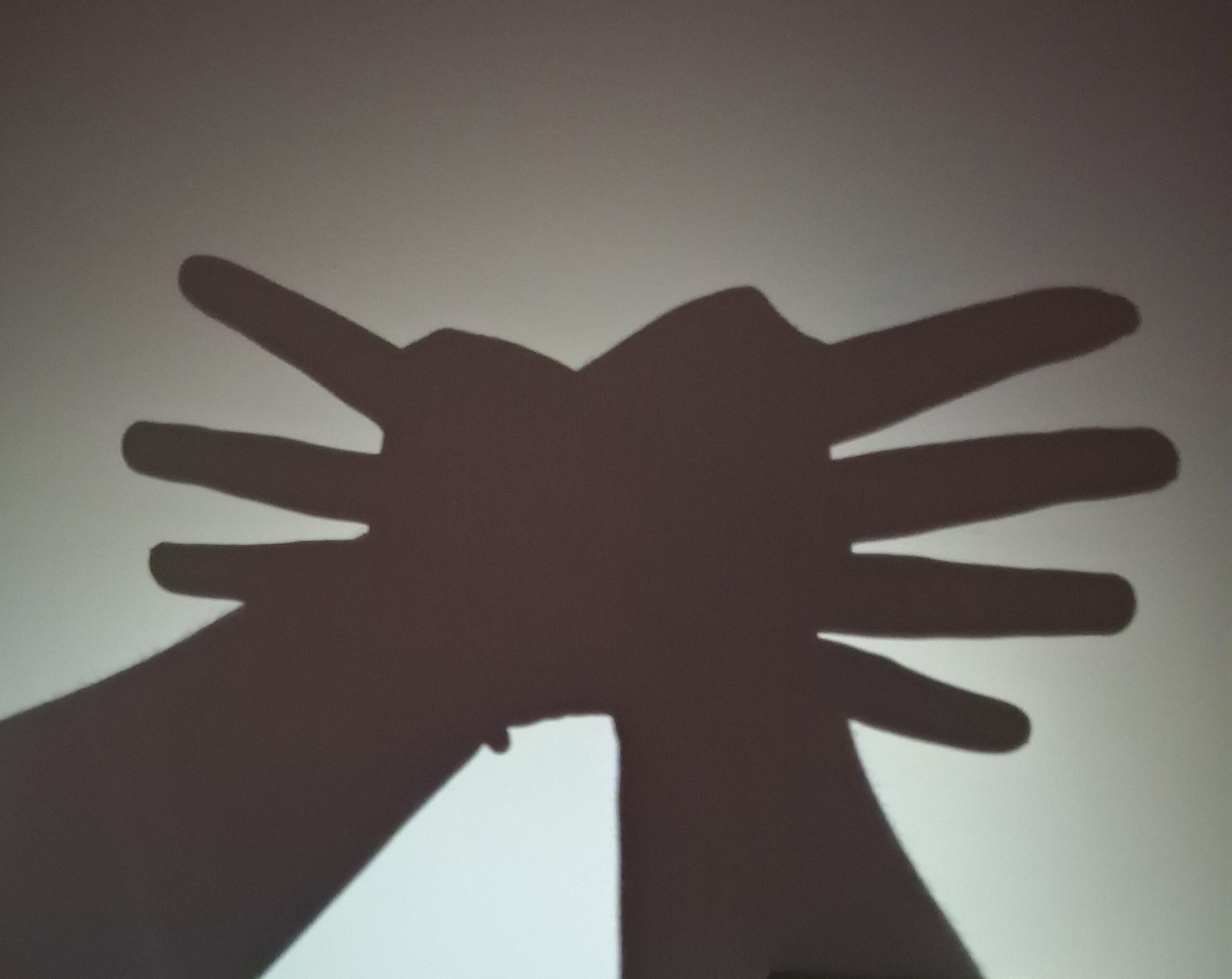
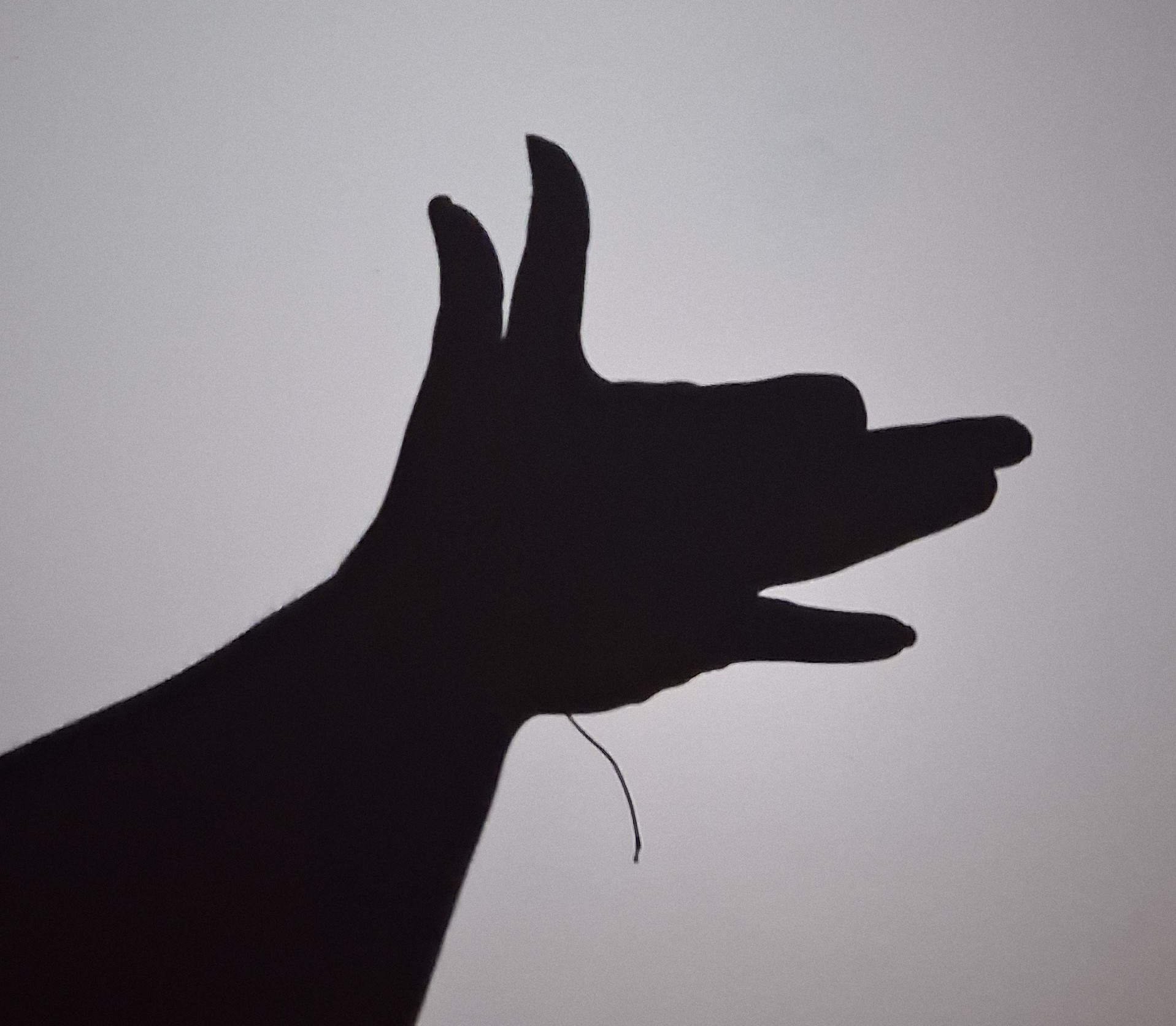
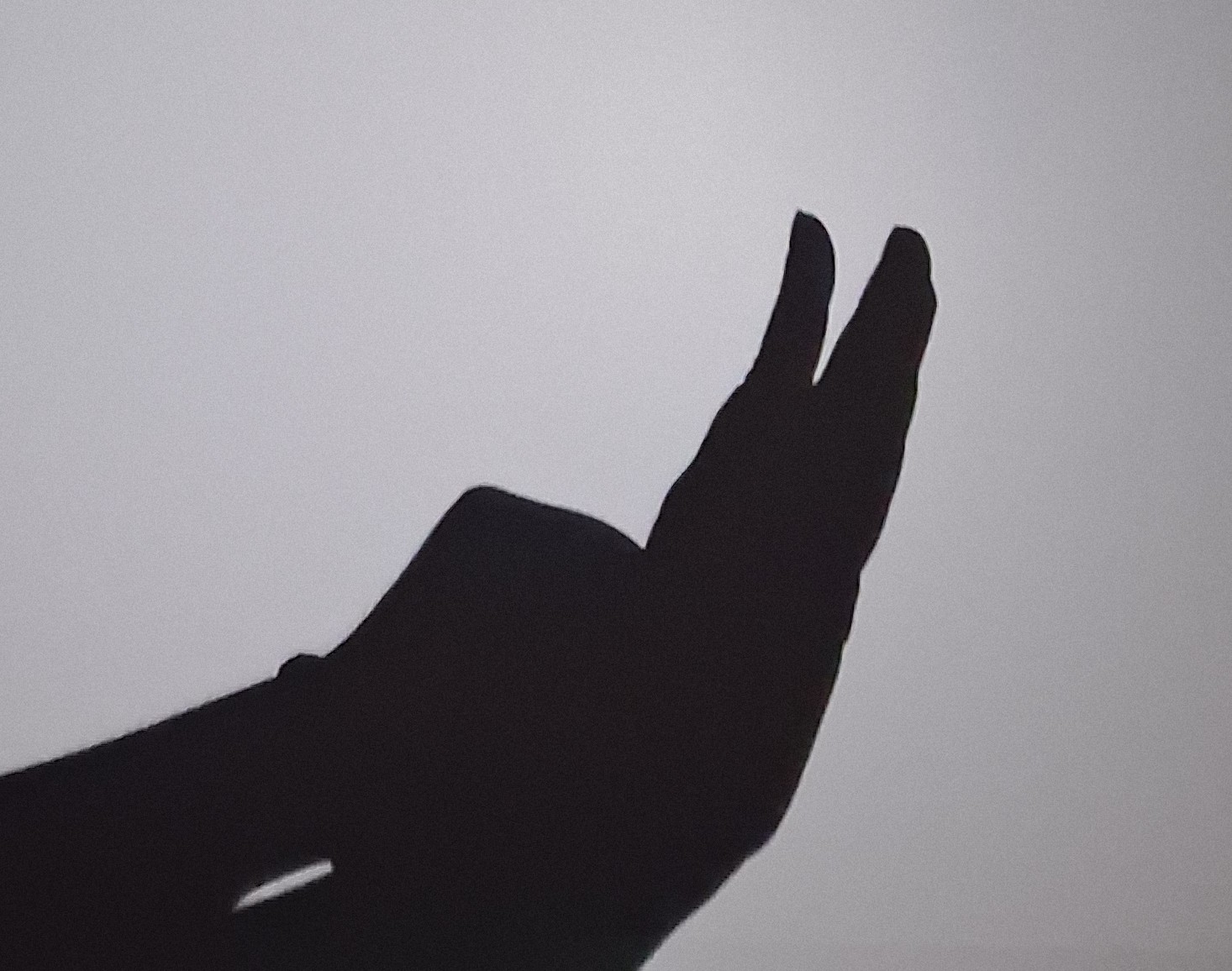
For my project, I decided to focus on shadows. Shadows are often overlooked in lighting despite the important role they play in color, contrast, etc. Therefore, I wanted to highlight how they can be used in one of the most simple, well-known ways, which was shadow puppets. I chose to do a crab, dog, and snail. It was challenging to figure out how to capture the shadows properly without accidentally photographing the hands creating the animal shapes, but overall it was an easy process that was effective in using lighting creatively.
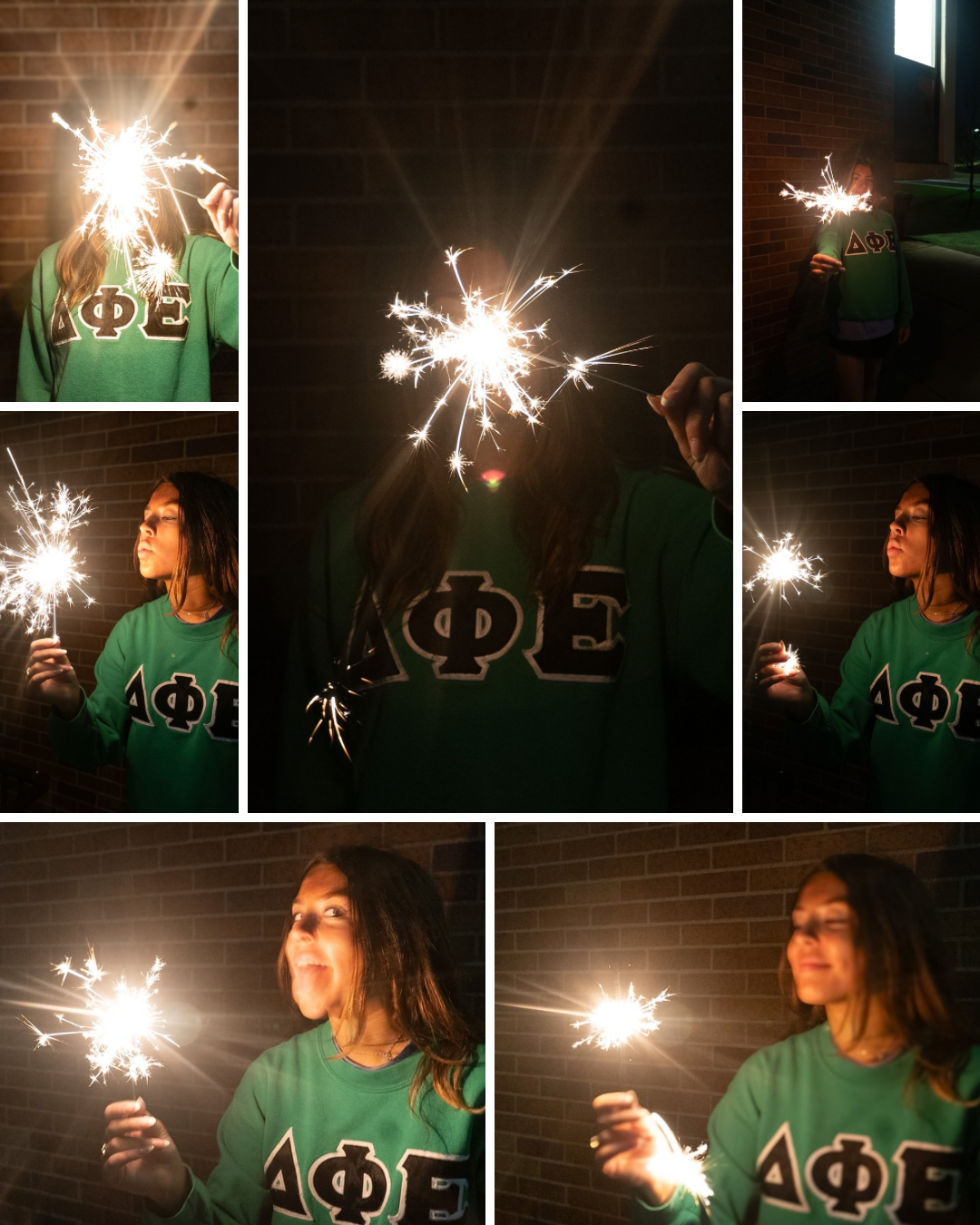
During the 4th of July this past summer I went to Pymatuning with my best friends. We set off fireworks, swam, and had so much fun. I thought back to that weekend and about the fireworks and how much fun it was to see the light off of them. I know I couldn’t set off fireworks on campus so the next best options… Sparklers. I ended up photographing my friend in her letters for Greek Week. I came up with these cute photographs that use the sparkler as the only source of light.
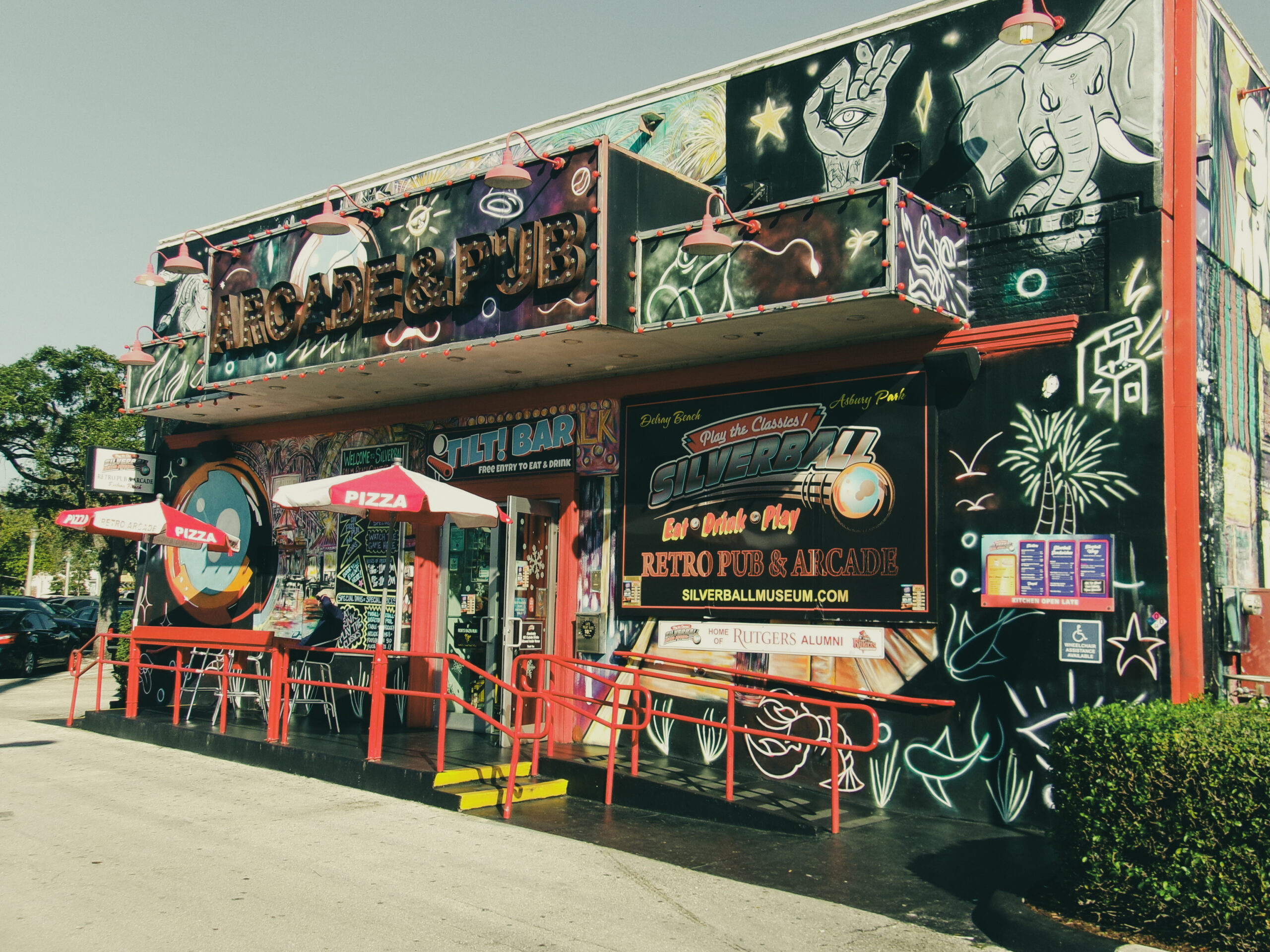
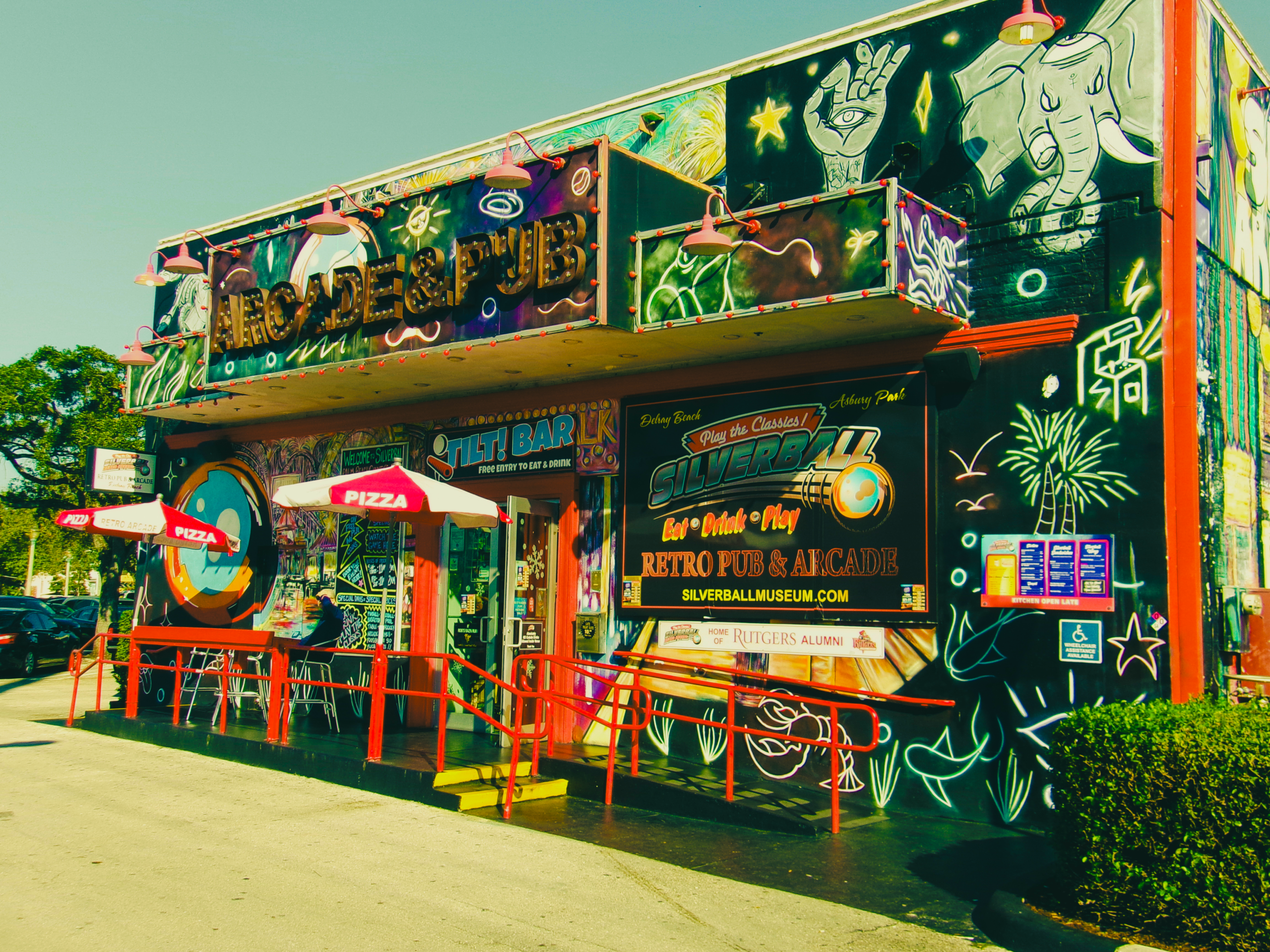
I took images during Winter break and messed with a lot of light filters, such as saturation, which led to a lot of alterations and an overall change in the image’s mood. These were all taken in Florida, and I really wanted to see how much information an image can actually retain when putting filters on these images.
KODAK Digital Still CameraKODAK Digital Still CameraKODAK Digital Still CameraKODAK Digital Still Camera