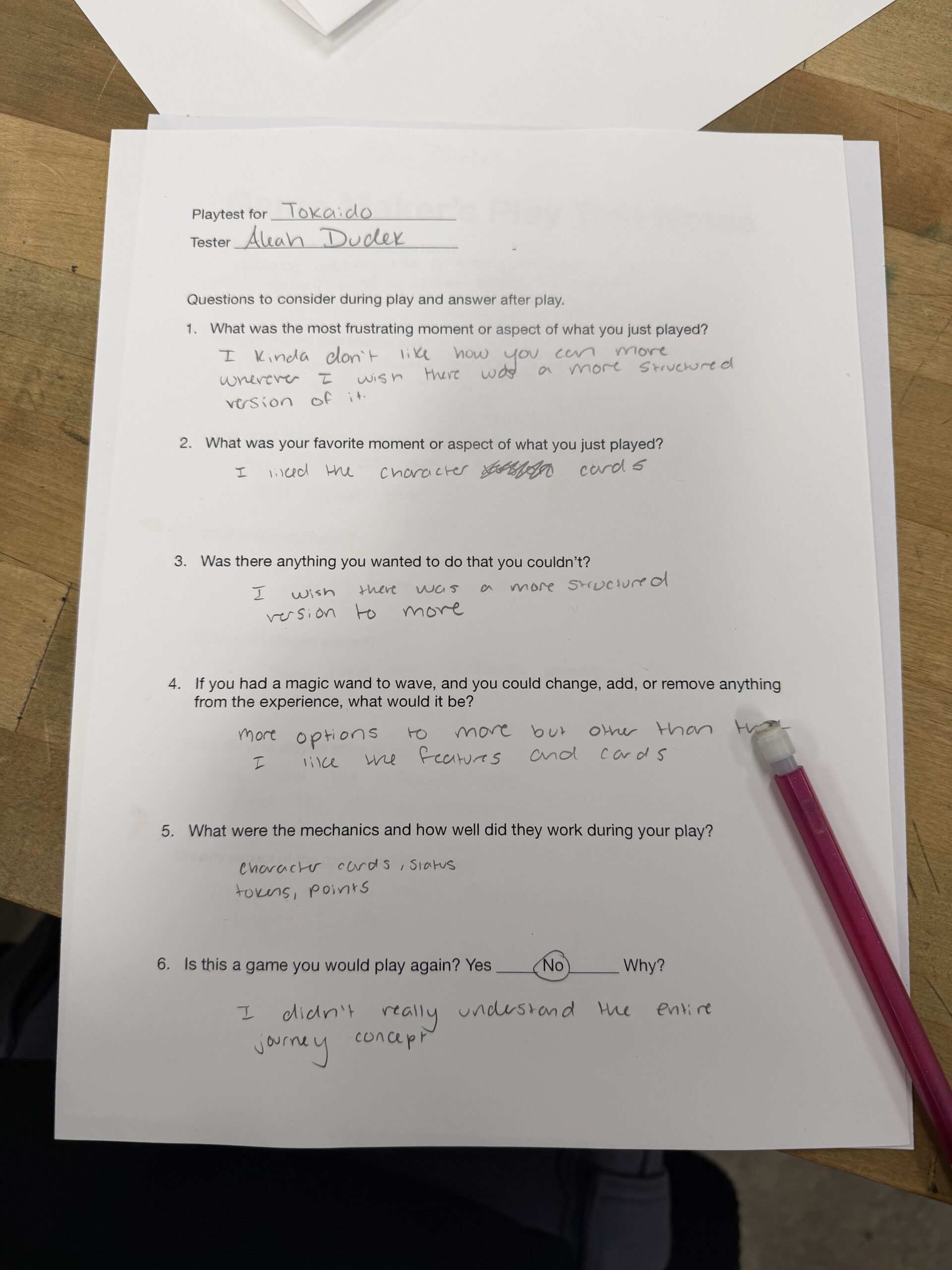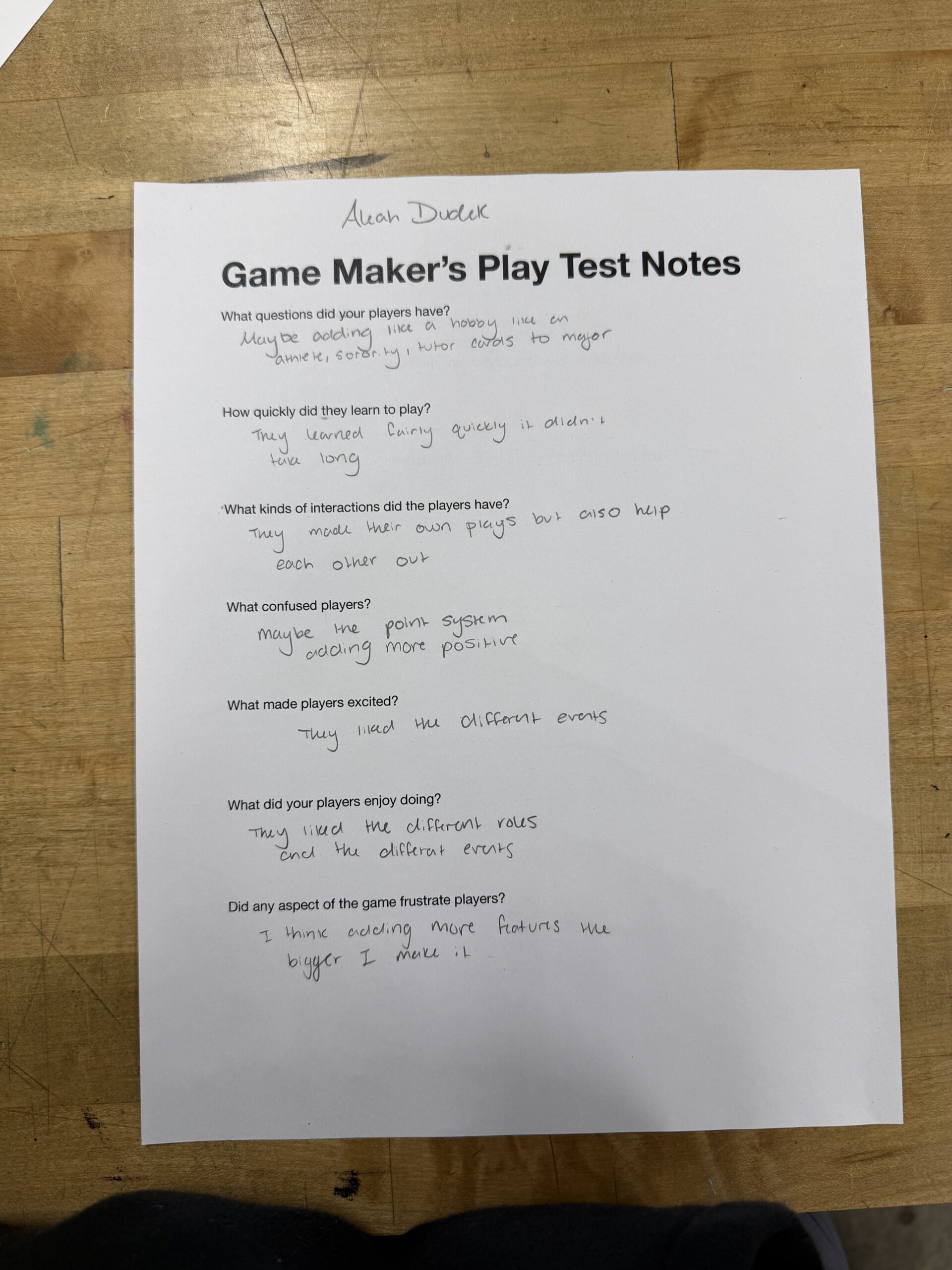
- Heartbeat City (Life-Sim With Emotional Systems) The city runs on invisible “emotional energy.”If people feel ignored, the world dims; when they feel heard, the city becomes brighter and safer. You help strangers by noticing feelings, not just completing tasks.
- It’s Still Breathing. You explore an abandoned hospital where the “monsters” are spirits who died feeling ignored or unloved. They follow you, whispering their regrets instead of attacking. You survive by listening, not fighting. Horror: psychological, haunting voices, flickering lights.
- The Ones Who Stayed. You play as a town that was “left behind.”. Ghosts roam, but they are stuck waiting for people who will never return. The town shifts based on how gently you treat its residents. Horror: empty streets, fog, slow dread.
- Don’t Leave Me on Read. You’re texting someone who slowly becomes more real—and more unstable. If you stop replying, the lights in your house flicker and the phone starts vibrating on its own. The horror is realizing how much power attention has. Fear theme: emotional dependence, digital haunting.
- Threadbound. Everyone is born with glowing threads that connect them to people they’ll matter to. Yours is tangled, broken, and leads into dangerous lands. You follow it to repair bonds—and discover who you’re meant to become. Adventure feel: fantasy, exploration
Game Design 2 Week 3
Game Review 2
Dumb Ways to Die
- What made the experience fun or not? It’s fun because it’s cute, chaotic, and kind of dark in a funny way. The song gets stuck in your head, and the mini-games come at you super fast so you’re never bored. It can get annoying though when it gets way too hard and you die over tiny mistakes.
- What is the motivating factor to get or keep players playing? You just want to beat your last score and not mess up again. The quick rounds make it easy to say “one more try.” Unlocking new characters also makes you want to keep going.
- Is the game persuasive, and what is it trying to get you to do outside of the game? Yeah, definitely. It’s basically saying stop doing dumb stuff around trains and in real life. Instead of being serious or scary, it uses humor so you actually remember the message.
- What is the game’s metaphor and which of the game’s mechanics standout? The metaphor is that normal, careless choices can be just as dangerous as ridiculous ones. The fast mini-games and instant deaths make you feel how quickly things can go wrong.
- How does the gameplay make you feel? Who does the game make you feel empathy for? It makes you laugh but also feel stressed when everything speeds up. You end up feeling bad for the little bean characters because they’re cute and don’t deserve to die in such dumb ways.
- Is the game an activist game? If so what does the game play advocate for? Yes. It’s a safety game that’s trying to get people to be more aware and careful, especially around trains and dangerous situations.
- Describe the game in 3 sentences or in the form of a haiku. Tiny beans in danger,
Doing dumb stuff way too fast
Be smart, don’t be next.
Fake it to make it
- What made the experience fun or not? It’s fun in a messed up way because you feel powerful and clever while gaming the system. At the same time, it gets uncomfortable because you realize how easy it is to lie, manipulate people, and still “win.” The fun comes from making money fast, but the guilt sneaks in too.
- What is the motivating factor to get or keep players playing? You want to see how far you can push things without getting caught. Watching your money grow and your influence spread is super motivating.
- Is the game persuasive, and what is it trying to get you to do outside of the game? Yes, it’s persuasive, but in a reverse way. It shows you how fake news and shady media tactics actually work so you don’t fall for them in real life. It’s trying to make you more skeptical of what you see online.
- What is the game’s metaphor and which of the game’s mechanics standout? The metaphor is that misinformation spreads like a business fast, profitable, and harmful. The standout mechanics are writing fake headlines, targeting audiences, watching metrics grow, and choosing profit over truth.
- How does the gameplay make you feel? Who does the game make you feel empathy for? It makes you feel smart at first, then kind of gross when you realize how much damage you’re doing. You feel empathy for the people you manipulate and for society as a whole, because everyone is getting played.
- Is the game an activist game? If so what does the game play advocate for? Yes. It’s an activist game about media literacy and misinformation, warning players about how easily truth can be twisted for money and power.
- Describe the game in 3 sentences or in the form of a haiku. Headlines full of lies,
Clicks grow while the truth fades out
Who gets hurt the most?
Cards Against Calamity
- What made the experience fun or not? It’s fun because it’s chaotic, dramatic, and different every time you play. Watching disasters spiral out of control based on everyone’s card choices is funny and stressful at the same time. It can feel overwhelming sometimes, but that’s part of the fun.
- What is the motivating factor to get or keep players playing? The randomness and replay value keep things fresh. You want to try new strategies, mess with other players, and see how crazy the world can get before it collapses. Every round feels like a new story.
- Is the game persuasive, and what is it trying to get you to do outside of the game? Yeah, in a subtle way. It makes you think about how human choices and systems can make disasters worse, and how we all play a role in either helping or hurting the planet. It pushes you to reflect on real-world crises.
- What is the game’s metaphor and which of the game’s mechanics standout? The metaphor is that the world is fragile and one bad decision can trigger a chain reaction. The standout mechanics are the cause-and-effect card system and the escalating disasters that spiral quickly.
- How does the gameplay make you feel? Who does the game make you feel empathy for? It makes you feel tense, guilty, and sometimes amused. You start to feel for the people in the game world who are affected by all the chaos.
- Is the game an activist game? If so what does the game play advocate for? Yes, it leans into climate and social crisis themes, showing how small actions can lead to massive consequences.
- Describe the game in 3 sentences or in the form of a haiku. One bad card is played,
The world cracks a little more—
Can we stop the fall?
Cast your Vote
- What made the experience fun or not? It is it actually feels like you’re taking part in an election — you choose issues you care about, watch debates, and research candidates. It feels real and meaningful instead of just “tap here, win points.” Some people might not think it’s that fun because it’s slower-paced and more about thinking than fast action.
- What is the motivating factor to get or keep players playing?You want to figure out who best matches your views and feel confident in your choice. Trying to really understand candidates and issues feels rewarding, especially when you see how your decisions play out. The way you take notes and compare candidates feels kind of like solving a puzzle.
- Is the game persuasive, and what is it trying to get you to do outside of the game? Yeah it’s pushing you to think for yourself and become an informed voter. It’s not trying to get you to do something outside the game except maybe actually pay attention to real elections and issues in real life.
- What is the game’s metaphor and which of the game’s mechanics standout? The big metaphor is that voting isn’t just clicking a button it’s about research, priorities, and understanding what matters to you. The standout mechanics are choosing issues, watching “Town Hall” responses, taking notes, and then actually casting a vote based on all that info.
- How does the gameplay make you feel? Who does the game make you feel empathy for? It makes you feel thoughtful and sometimes a little stressed because picking what matters most and weighing candidate answers isn’t always easy. You start to feel for regular voters who have to sort through tons of info in real life before making a choice.
- Is the game an activist game? If so what does the game play advocate for? Yes it’s basically a civics-education activist game that encourages people to understand issues, think critically, and become better voters in real life.
- Describe the game in 3 sentences or in the form of a haiku. Choose what matters most,
Watch, sort, and weigh every voice —
Vote with your own mind.
Game Design 2 Week 3
Aleah Dudek
Gris
- What made the experience fun or not?
I think it was definitely interesting. I wouldn’t say it was addicting, but I could see myself doing a whole play through over time. I like that there was puzzles within the play through, also parkour, and a storytelling aspect to it.
- What is the motivating factor to get or keep players playing?
I think putting the pieces together within the game helps me keep going, not finishing what I started in a sense. Also learning more about the story and discovering the different realms.
- Is the game persuasive, and what is it trying to get you to do outside of the game?
I am not sure how if I would call it persuasive because I am not sure what it is trying to persuade. I really enjoyed the different aspects of the story contributing to another though.
- What is the game’s metaphor and which of the game’s mechanics standout?
I think the game describes a sense of emotional healing, and coming out of a depressing state. Gris herself represents the player’s inner emotional state. As she regains color, abilities, and voice, it symbolizes learning to live with loss instead of being consumed by it. The mechanics varied as you kept moving if you were able to walk, climb, run , or any other supernatural powers, running and jumping were the main ones though.
- How does the gameplay make you feel? Who does the game make you feel empathy for?
The gameplay makes me feel curious to what is going to happen next. I also feel like it makes me feel empathy for Gris as she goes with her journey to find herself again.
- Is the game an activist game? If so what does the game play advocate for?
I think it is. I think it advocates for mental health and that you can make it out. I think it advocates for finding yourself again.
- Describe the game in 3 sentences or in the form of a haiku.
I lose my own voice,
The sky learns how to breathe again,
So do I, slowly.
Detroit Become Human
- What made the experience fun or not?
I think it is fun. I like the storytelling of it and the message behind it. I like that you can kind of navigate the story at your own pace.
- What is the motivating factor to get or keep players playing?
The different choices you could make I think make
- Is the game persuasive, and what is it trying to get you to do outside of the game?
I think it is persuasive because it’s persuading one to think about “differences” and make the overall message of the game stand out.
- What is the game’s metaphor and which of the game’s mechanics standout?
It’s about systems of power, social rebellion, and the fight to be seen as human. It almost acts like the the sense of racism. These robots want to be treated as a human. The mechanics are being able to pivot my way through the story making my one choices when given.
- How does the gameplay make you feel? Who does the game make you feel empathy for?
I think the gameplay makes me feel immersed and as if I am part of the story myself. Being able make my own choices based off the emotion felt or created. I feel empathy for the robots as I see they are treated indifferently I feel sad for them as I want them to be treated equally.
- Is the game an activist game? If so what does the game play advocate for?
Yes it is an activist game. it advocates for racism, inequality, and to be treated the same no matter what. That can run for several campaigns, but I think it could also advocate for the potential of our future and what future technology can look like. Depending on the person that could either scare them or excite them.
- Describe the game in 3 sentences or in the form of a haiku.
Circuits feel the storm,
Justice sparks in metal bones,
We become alive.
Outer Wilds
- What made the experience fun or not?
I think it is fun. I like the free roaming aspect of it;. Being able to walk and fly the spaceship.
- What is the motivating factor to get or keep players playing?
Discovering different planets and unlocking new missions within the game. I think the players want to keep going to unlock different abilities and different missions.
- Is the game persuasive, and what is it trying to get you to do outside of the game?
I think it is persuasive because it persuades the player to keep going almost in an endless loop it seems. I don’t really see the storyline though that goes a long with it.
- What is the game’s metaphor and which of the game’s mechanics standout?
is a metaphor for curiosity, impermanence, and learning to let go. Following missions and achieving things you can’t do in real life. The mechanics are O2, Fuel, Gravity, the plants, your ship and resources.
- How does the gameplay make you feel? Who does the game make you feel empathy for?
It makes me feel curious about what all I can explore and do around the realm. I don’t think I feel empathy because you respawn every time you die.
- Is the game an activist game? If so what does the game play advocate for?
I don’t think it is because laws aren’t being changed or revised. You aren’t doing much different except free roaming and dong what you want around the world you have created and evolved in.
- Describe the game in 3 sentences or in the form of a haiku.
Time breaks like starlight,
I gather worlds in my hands,
Then let them all go.
Game Design 2 Week 2 Homework
- What advergames have you played? Did they influence a purchase outside of the game?
Lego Online Games, Minecraft, Five Nights at Freddy’s. Now I haven’t played these in years as a kid I always wanted the toys and merch to go along with these games and franchises. To this day I still purchase Lego’s and I went to Halloween Horror Nights Orlando to go see the Five Nights and Freddy’s house to fulfill my childhood.
- Why do the advergames ”tooth protector” and “escape” work? What makes ”chase the chuckwagon” and “shark bait” fail?
In Tooth Protector the player protects teeth from germs and sugar. The act of playing already teaches that teeth are fragile and must be cared for just like real dental hygiene. In Escape Work you must plan, react quickly, and survive a disaster. This mirrors real-life emergency behavior. The game models the correct actions, not just explains them. They fail because the gameplay has nothing to do with them. These games use branding as decoration, not persuasion.
- What does volvo’s “drive for life” accomplish?
It persuades players that safety is a skill and responsibility, not just a feature. Practicing safe driving through your gameplay could either persuade good or bad decisions on the road depending on how you drive.
- What company used in-advergame advertising
7-Eleven used in advergame ads inside games placing branded products directly into gameplay rather than building a game around them.
- What was one of the first home-console advergames and what beverage was it for?
Pepsi Invaders, it was a modified version of Space Invaders made for Coca-Cola sales reps, where players shot the word “PEPSI.”
- What makes “the toilet training” game sophisticated and do you agree?
It is sophisticated because it uses symbolic actions rather than direct branding, reflects cultural pressure, shame, and control, and persuades through systems, not slogans. I agree because I think it’s sophisticated because it expresses a social argument, not a commercial one.
- What do advergames and anti-advergames have in common, and what principles do they share?
Both advergames and anti-advergames use rules, systems, and player actions to persuade through procedural rhetoric meaning the game’s mechanics make the argument. The difference is that advergames promote brands, while anti-advergames use the same tools to critique corporate power and social systems.
Game Design 2 Week 2 Reflection
REFLECTION QUESTIONS
Monopoly (The Simpsons)
What made the experience fun or not? No, Monopoly is not my favorite game. The spin on it is definitely interesting, but makes the chances pretty unfair. I was playing as the 1% and I had 10x more properties and money than anyone else.
What is the motivating factor to get or keep players playing? Maybe if I was playing as the minority I would be more motivated to get more money and more properties.
Is the game persuasive, and what is it trying to get you to do outside of the game? I wouldn’t say persuasive because it was very unfair for some players. I mean I could say it is persuasive in the terms of actual reality, because some of the roles are real world struggles.
The McDonalds Game:
What made the experience fun or not? I think it could be fun, the instructions are a little unclear though on how to navigate and get around the game. Although, I like the graphics and the concept of it. Reminds me of heyday in a way.
What is the motivating factor to get or keep players playing? Keeping the business alive and not going bankrupt, Managing the farm, the the cow factory, to the restaurant, to the corporate office. Managing all 4 can become a challenge so I think that becomes a motivating factor.
Is the game persuasive, and what is it trying to get you to do outside of the game?
I think the game is maybe trying to get you to want to go to McDonalds and make you think they have a good process behind their business. They want you to trust the business and buy more burgers from them.
CoolSpot:
What made the experience fun or not? No I think it seems kind of frustrating, the controls look hard to use and hard to see, probably from it being so old. I think if you know how to use the controls though it looks like a lot of fun and a good challenge.
What is the motivating factor to get or keep players playing? Moving forward on the map, killing the shell looking things, collecting more coins and points. The free roam aspect is kinda cool too you can go backwards.
Is the game persuasive, and what is it trying to get you to do outside of the game? Yes I think the goal is to make people want to buy 7 up , not really sure what the little bean thing is looks like the mascot maybe, but I think if you enjoyed the game your more prone to buy the drink.
Week 2 Game ideas
Aleah, Mason, Lauren
- Theme: Politics as systems, not heroes
- Genre: Satirical management sim
- You don’t control leaders you control the system around them: media bias, lobbyists, public fear, misinformation.
- Even “good” leaders fail if the machine is broken.
- Mind shift: Political outcomes are shaped by systems, not just individuals.
- Theme: Air pollution & corporate denial
- Genre: Survival horror
- The air is slowly becoming toxic. You wear a mask, but filters are expensive, rare, and controlled by a private company.
- The world looks normal at first… until you remove the mask and see the truth:
- Buildings are rotting
- People are coughing black smoke
- The sky is decaying
- The company insists everything is safe.
- Mind Shift: The scariest thing is that the truth is optional.
–
- Theme: Climate normalization
- Style: Semi-cooperative / social horror
- Core Mechanic
- Disaster cards (fire rain, mass floods, toxic fog) are drawn every round.
- But players also draw Normalization cards that force them to act like nothing is wrong.
- If anyone reacts with fear, the group loses resources.
- Horror Twist
- The more disasters happen, the fewer panic responses are allowed.
- Mind Shift: You realize you’re suppressing fear to survive.
- Theme: Fossil fuel dependence
- Style: Engine-building horror
- You feed a central Engine with Fuel cards to keep cities alive.
- The Engine mutates, demanding more every round.
- You can shut it down but doing so kills cities immediately.
- Mind Shift: The system only exists because you keep it alive.
- Theme: Collective guilt
- Style: Reverse victory
- Every time you “fix” a problem, the world worsens.
- The only way to win is to stop playing, but the rules never say that.
- Mind Shift: The game teaches you when to walk away.
PERSUASIVE ENDLESS GAME (FROM WEEK ONE)
The persuasive purpose of this digital pet experience is to emotionally connect users to their virtual companion by making them feel responsible, needed, and valued, encouraging consistent engagement through care-based gameplay. By showing that the pet depends on the user for its happiness and growth and becomes lonely when neglected the experience taps into empathy and attachment rather than rewards alone. This motivates users to return often, form a bond, and unlock new pets, reinforcing the idea that their time, attention, and kindness truly matter.
1.22 Game Design week 1
Aleah Dudek
- What are the issues Ian Bogost raises about social games with Cow Clicker?
Bogost created Cow Clicker to reveal how shallow and exploitative many social games are by intentionally designing a game built around meaningless interaction, where the core mechanic, clicking a cow, has no real purpose or depth, mirroring how many social games rely on repetitive, low-effort actions instead of meaningful gameplay. He argues that these games prioritize manipulation over fun, using addiction loops, notifications, and artificial rewards to keep players engaged rather than genuinely entertained, while also emphasizing monetization as design, where progress is often locked behind payments and the primary goal becomes extracting money instead of offering creative or emotional experiences. Ultimately, Cow Clicker demonstrates the automation of play, where players are no longer truly playing but performing routine tasks like workers in a system, making the game intentionally boring to expose how many popular social games are already boring, just disguised as fun.
- How do social games like FarmVille enframe friends?
Bogost argues that social games enframe friends by turning real human relationships into tools for the game system, where friends become resources rather than people. Players interact with them mainly to send requests, gain bonuses, or unlock items, reducing social interaction to spam and obligation instead of genuine connection. Rather than communicating with friends out of care or interest, players message them because the game requires it, transforming friendship into a mechanic and making one’s social network part of the game’s infrastructure.
- How do social games destroy time outside of the game?
- Bogost claims that social games don’t just take time, they colonize it by operating in real-world schedules that force players to structure their lives around the game, creating a state of constant half-playing where users are always thinking about logging in, checking notifications, and feeling pressure not to fall behind. Instead of being a contained activity, social games bleed into daily life, fragmenting attention and turning free time into a continuous background obligation.
Game thoughts in class 1/22
Aleah Dudek
Getting over it
Was it fun? I think it could be fun, but I can see how it will get really frustrating. Getting to a certain point and then falling back to right where you started would be really hard.
What were the player interactions? The player interactions was the person trying to get the character in a pot up the mountain with a singular hammer. If you messed up or fell, you wouldn’t lose, but you would just go back to a lower point from where you were at.
How long did it take to learn? A good bit, Mason said the mechanics were pretty confusing to learn based on the iPad he was playing on.
What was the most frustrating moment or aspect of what you just played? Probably falling off the cliff after getting to a certain point, or getting the hammer where you want it to go.
What was your favorite moment or aspect of what you just played? I liked the challenge of it. It almost motivates you to do better in the game in a sense.
Was there anything you wanted to do that you couldn’t? Maybe if there were upgrades, like if you got to a certain point you would get an easier hammer to climb with.
If you had a magic wand to wave, and you could change, add, or remove anything
from the experience, what would it be? Same thing as a said the question before, maybe adding upgrades. I wouldn’t take anything away from it.
Is this a game you would play again? Yes _____ No ______ Why No I wouldn’t play it because I do get very frustrated easily with these types of games. I would probably last only 5 minutes.
Analyze the game using the 3 act structure.
Set up: I think the set up was alright, the graphics were pretty good and colorful , and I liked the 2D effect.
Confrontation: Is when you would reach a certain point up the hill.
Resolution: You make it up the hill and finish climbing up the hill.
What are the collaborative and or competitive aspects of the game? I would say you are collaborating with yourself in trying to get the guy up the hill. The competitive aspects I would say is when you fall and trying to get right back up the hill.
What is the game’s metaphor and which of the game’s mechanics standout? It isn’t about winning its about how life is so unpredictable with some of the challenges we face. You can’t skip the tough parts in your life because that’s what makes life better, getting frustrated, sad, and mad, helps you evolve as a person and master what you are trying to accomplish. The mechanic that stands out is the hammer movement because that will determine the way you swing to where you are going to go next.
Describe the game in 3 sentences or in the form of a haiku.
Effort does not guarantee success.
Failure feels personal and cruel.
Persistence becomes the real victory.
Calvin Ball
Was it fun? Yes I liked how spontaneous it was. Would definitely be more fun with more people.
What were the player interactions? Yes all the players were throwing , tossing, chucking, depending on the rules.
How long did it take to learn? Instantly there is no rules except the rules you make up.
What was the most frustrating moment or aspect of what you just played? I wasn’t frustrated overall thought it was fun that it was quick and spontaneous it could have went on forever.
What was your favorite moment or aspect of what you just played? I like that everyone had significantly different rules and it made it super challenging, but a fun challenge not knowing what was going to come next.
Was there anything you wanted to do that you couldn’t? Nope because if you didn’t like the rule you can make a rule to get rid of it.
If you had a magic wand to wave, and you could change, add, or remove anything
from the experience, what would it be? Nope same thing you can change or add anything you want. You can add throwing a chair if you really wanted to.
Is this a game you would play again? Yes _____ No ______ Why Yes I think it would be so fun with a group a people outside in a bigger space.
Analyze the game using the 3 act structure.
Set up: The classroom with my classmates, one ball, no rules, rules added eventually.
Confrontation: When multiple rules are in play as the game is actively going on.
Resolution: Someone eventually makes a rule determining who will win.
What are the collaborative and or competitive aspects of the game? Applying all the rules together with one another while actively adding and subtracting rules from the game would be the collaborative part. The competitive part would be if some rules are easier for others than some or once someone calls the winning rule.
What is the game’s metaphor and which of the game’s mechanics standout?
I would say you never know what life is going to throw at you because you are throwing a ball around while not knowing what rule the next person is going to say. The mechanic that stands out is the flexibility of them game.
Describe the game in 3 sentences or in the form of a haiku.
Rules appear and fade.
We throw chaos into order.
Life makes up the score.
TownScraper
Was it fun? No I thought it was pretty boring. I can see how it would be relaxing for some, but me personally would get really bored easily.
What were the player interactions? You would click colors, structures, to add or subtract from your structure.
How long did it take to learn? Instantly it sort of doesn’t have rules.
What was the most frustrating moment or aspect of what you just played? I would only get frustrated with how bored I wold get. I get the point of it but I would need more sort of like Minecraft for it to be more interesting for me.
What was your favorite moment or aspect of what you just played? I mean the aesthetic was pretty and the noises were satisfying to listen to .
Was there anything you wanted to do that you couldn’t? I wish there were more mechanics to it to like add people or animals. I saw birds but you don’t really get to choose to add those.
If you had a magic wand to wave, and you could change, add, or remove anything
from the experience, what would it be? Make different structures available, animals, people, terrains maybe.
Is this a game you would play again? Yes _____ No ______ Why No I would get bored within 2 minutes I like more action when I play games.
Analyze the game using the 3 act structure.
Set Up: Overall aesthetic was cute and pleasing to look at and listen to.
Confrontation : Making a structure reach a certain point like having a huge building or bridge.
Resolution: there is none it’s an endless game. But I can say if you make a building and you reach the point of the building where you are happy then maybe that.
What are the collaborative and or competitive aspects of the game? The collaborative aspects was building upon different structures with one another. and the competitive aspects I would say is subtracting buildings or bridges when you mess up.
What is the game’s metaphor and which of the game’s mechanics standout? Letting go of perfection and creativity without goals. The mechanic that stands out is the color scheme you can do to me because that has more of a choice than the buildings have to me.
Describe the game in 3 sentences or in the form of a haiku.
I click and it grows.
The city surprises me.
Creation feels light.
Game Design 2 Endless game ideas
Aleah, Mason, Lauren
- Digital Pet ( you get to pick) you have to maintain its health. Feed it , bath it , play with it, hydrate, comfort it, teach it trick, etc.
- You can get more pets the more you take care of it.
- If you don’t take care of it your pet will be lonely and will just be sitting on your device waiting for you to come back.
- Civilization game. Relaxing Garden game where you have to snip, grow, build up on your garden. The more you expand the more you grow and enhance your garden.
- Endlessly planting flowers, plants, gets money to buy seeds, pots, materials
- selling and buying your garden plants.
- Merge Game (Turtle Merge) merging turtles to different breeds/hybrids.
- The more you merge the more coins, and points you get.
- Endless levels
- Police game once you get a call you have to attend to the emergency once you complete the task you upgrade to get employees and upgrade to different materials to help you complete your tasks.
- You have endless calls and scenarios to attend to.
- Dog walking simulator
- some dogs are easier to walk then others
- the more you complete the walks the more materials you get to walk the dog while painting your well being to
- upgrading to better shoes, better leash, doggie bags, etc.
Game Design Final Documentation


Interactive animation final reflection
- Loop Animation: I found the loop animation a little challenging because drawing Fram for Fram is definitely not my strongest suit, but it still definitely came out the way I wanted it to. Making an interactive children’s coloring book was my main goal so making it a simple design was a little rewarding for me, but creating a story within the loop was a challenge. Overall, I think it came out fairly well and Im happy with it.
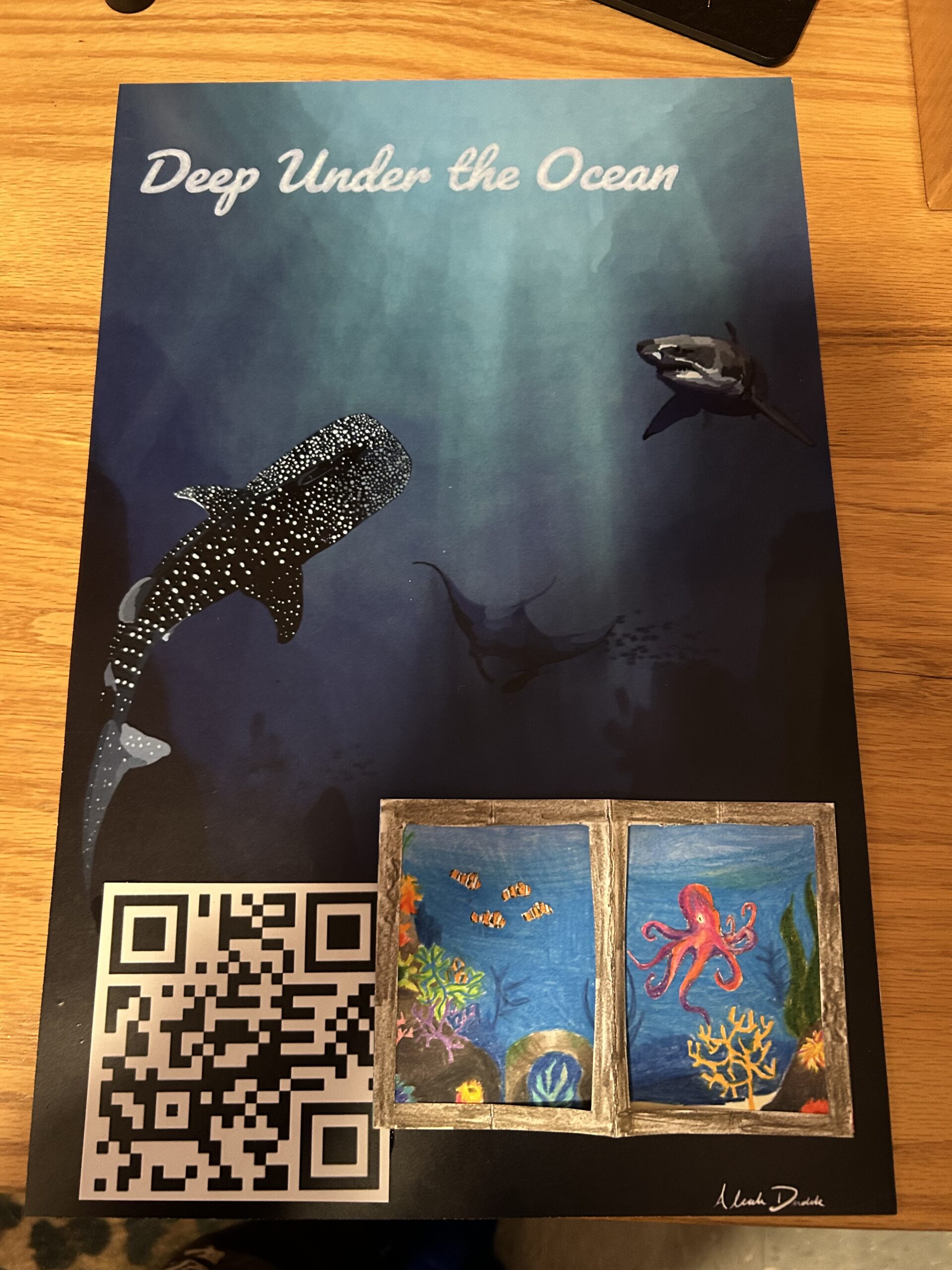
- Interactive Poster: I am really happy how this one turned out I liked the poster I designed a lot and the new program I learned. Zap works was super easy to use and I can’t wait to do more with it. My AR I am pretty proud of too it cam out clear and easy to use , was definitely fun.
- Interactive Narrative: I had a hard time coming up with this one and which way to go with it. I ended up making a clicking game to lead you to new goals the more you make. I used Scratch and was able to make a clickable cat with particles and upgrades. I want to take this project farther and use it possibly in game design 2 and add many other features and options to it.
Interactive animation final
Loop Animation : https://rmu.andrewyames.com/wp-content/uploads/2025/10/Cat_Sleep_Animation_1_V2.mp4
Interactive Narration: https://scratch.mit.edu/projects/1254431991/editor
Interactive poster:
week 12
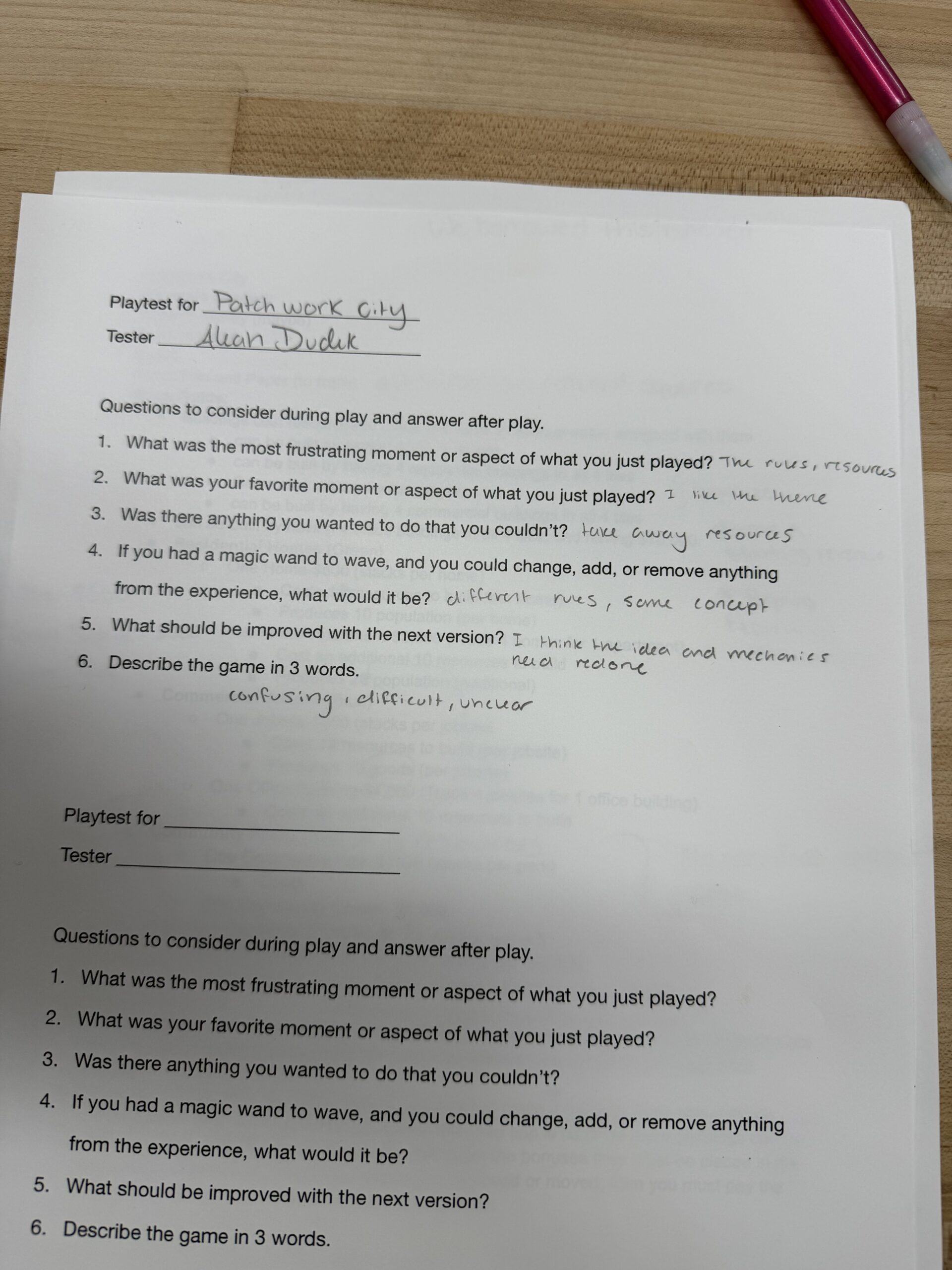
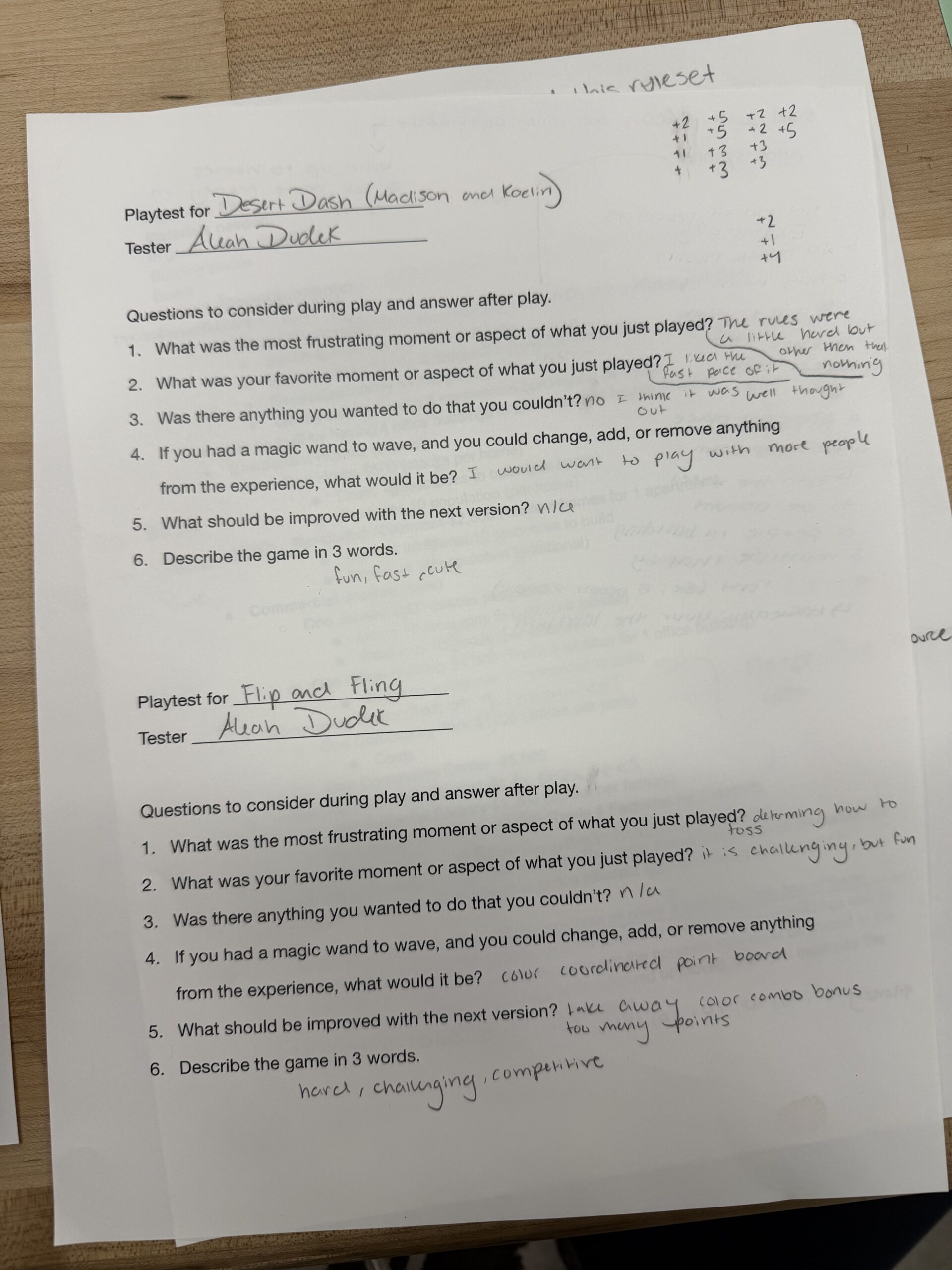
week 10 questions
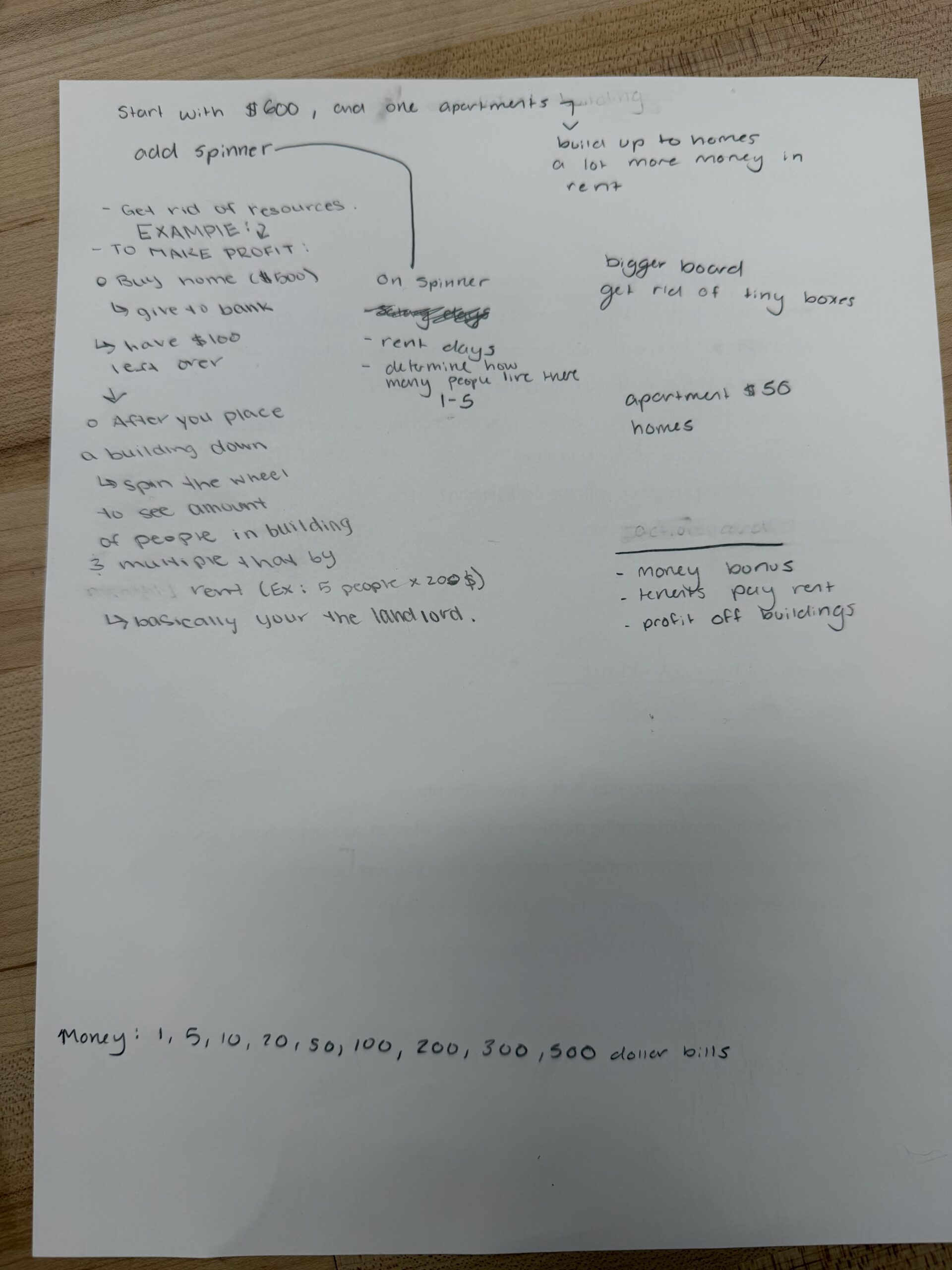
week nine questions